

SpaceX has once again expanded its Starlink satellite network by launching a new set of satellites aimed at enhancing global high-speed internet accessibility. This recent batch strengthens the constellation that promises improved broadband for remote and underserved regions worldwide.
Falcon 9 Delivers Another Flawless Launch
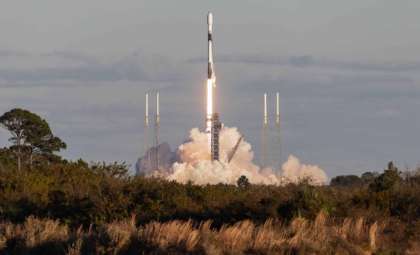
The Falcon 9 rocket took off smoothly from Cape Canaveral Space Force Station in Florida, transporting additional Starlink satellites into low Earth orbit. This mission reaffirmed the reliability of SpaceX's reusable rocket technology with no issues encountered during the flight.
Following liftoff, the rocket's first stage successfully returned to land on a self-piloted drone ship deployed in the Atlantic Ocean. This reusable approach enhances cost efficiency, allowing swift preparation of boosters for subsequent missions.

Growth of the Starlink Satellite Network
This deployment further increases the number of Starlink satellites orbiting Earth, which collectively deliver fast and low-latency internet service worldwide. Already operational in various countries, Starlink has become a vital option for areas lacking traditional internet infrastructure.
SpaceX aims to deploy thousands more satellites over the coming years to build a comprehensive network that can compete with conventional internet providers, especially in locations unreachable by standard systems.

Mitigating Challenges from Satellite Visibility
The brightness of these satellites has caused concerns among astronomers, as it affects ground-based observations and sparks debate about the impact of large constellations on astronomical research.
To address this, SpaceX has introduced anti-reflective surfaces and specialized sunshields to decrease satellite glare. The company collaborates closely with scientists to minimize disruptions while maintaining its aggressive launch timetable.
The Competitive Field of Satellite Internet
SpaceX faces competition from other major players such as Amazon’s Project Kuiper, OneWeb, and China's Guowang, all developing satellite fleets to deliver worldwide broadband.
Nevertheless, Starlink is currently the industry leader, having launched the largest number of satellites and progressing rapidly with frequent deployments and continual technological improvements.
Deployment of 21 @Starlink satellites confirmed pic.twitter.com/Em6wof0xCb
— SpaceX (@SpaceX) March 13, 2025
Future Horizons for Starlink and SpaceX
Looking forward, SpaceX is set to maintain its rapid launch cadence for the Starlink project. The company is also progressing with the development of Starship, an advanced launch vehicle designed to carry heavier loads and potentially accelerate satellite deployments.
Starlink’s capabilities extend beyond internet provision, offering opportunities in military communications, emergency response, and facilitating deep-space missions. Each successful launch brings SpaceX closer to transforming global internet infrastructure and advancing space innovation.
- Categories:
- Space










0 comments
Sign in to Comment