
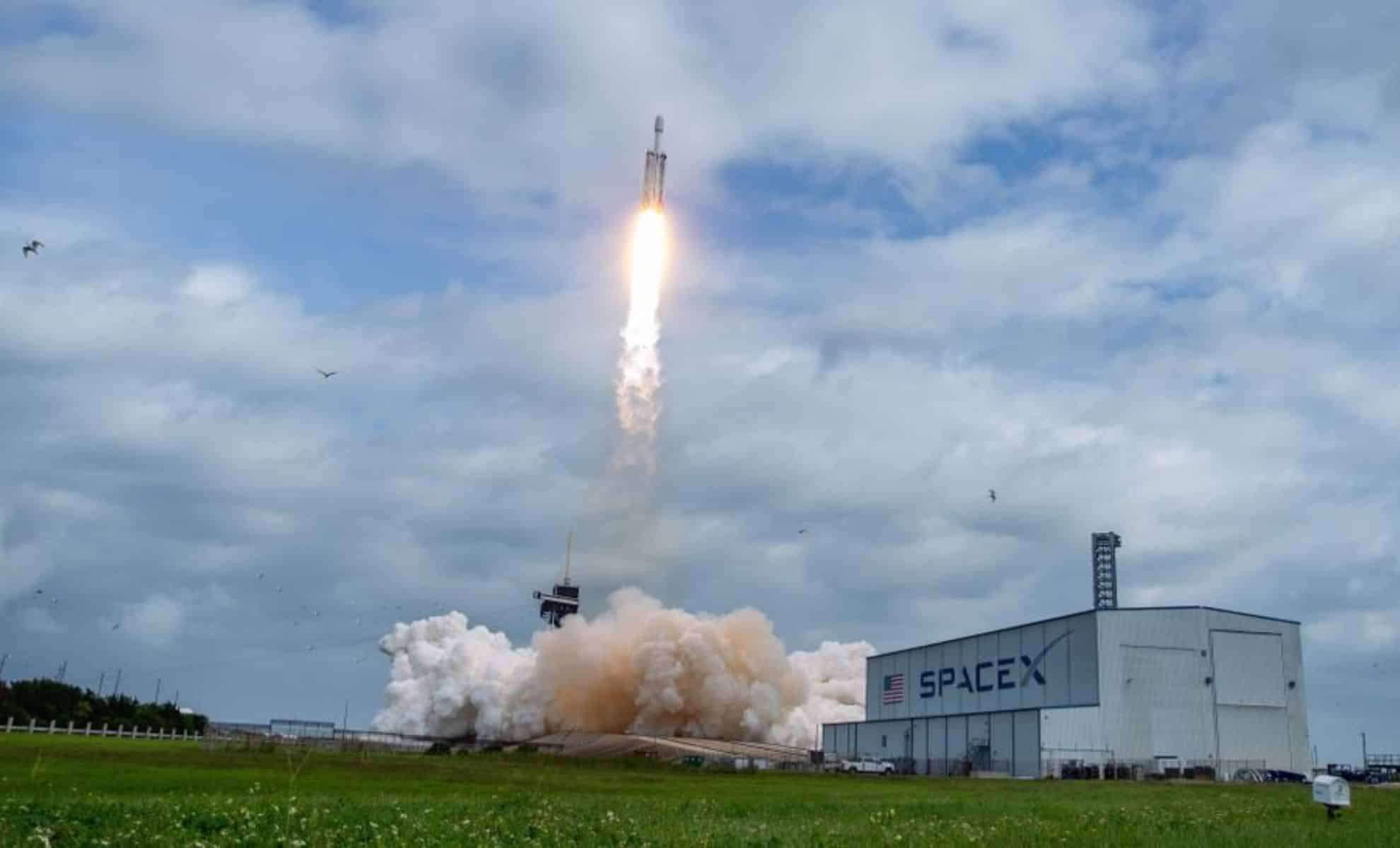
SpaceX is gearing up to launch NOAA’s GOES-U satellite using its powerful Falcon Heavy launcher on June 25 from Florida’s Kennedy Space Center.
This launch represents a major milestone in satellite meteorology and highlights the remarkable strength of one of today’s most capable rockets.
Falcon Heavy Returns With a Bang
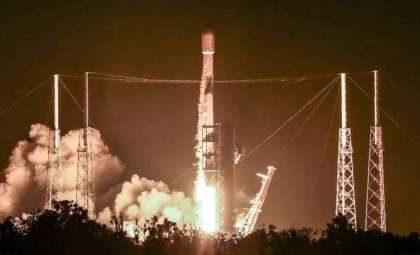
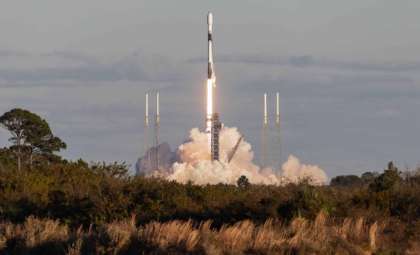
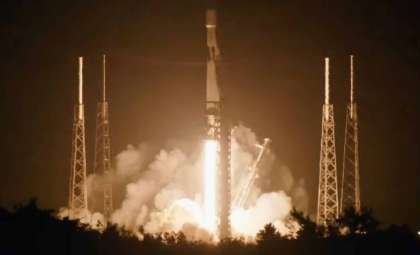
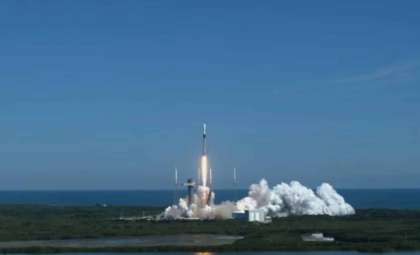
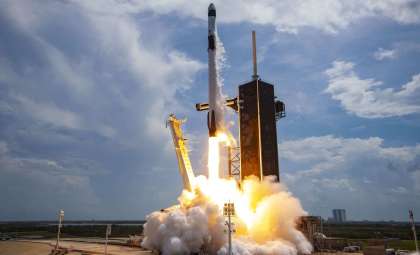
Space Coast residents will have a spectacular opportunity to witness the Falcon Heavy roar into the sky. The rocket, built from three Falcon 9 cores, ignites all boosters simultaneously to produce the thrust needed to propel the GOES-U spacecraft.

This flight underscores the Falcon Heavy's ability to carry heftier payloads than the Falcon 9 alone. Its previous Florida launch took place in December, sending the secretive Space Force X-37B spaceplane into orbit. SpaceX touts Falcon Heavy as “the world’s most powerful operational rocket, with nearly 64 metric tons of lift capacity.”
Why GOES-U Matters
The GOES-U satellite, a joint NOAA and NASA project, is set to revolutionize weather tracking and hurricane surveillance. Comparable in size to a modest bus, the satellite requires Falcon Heavy's robust lift power.
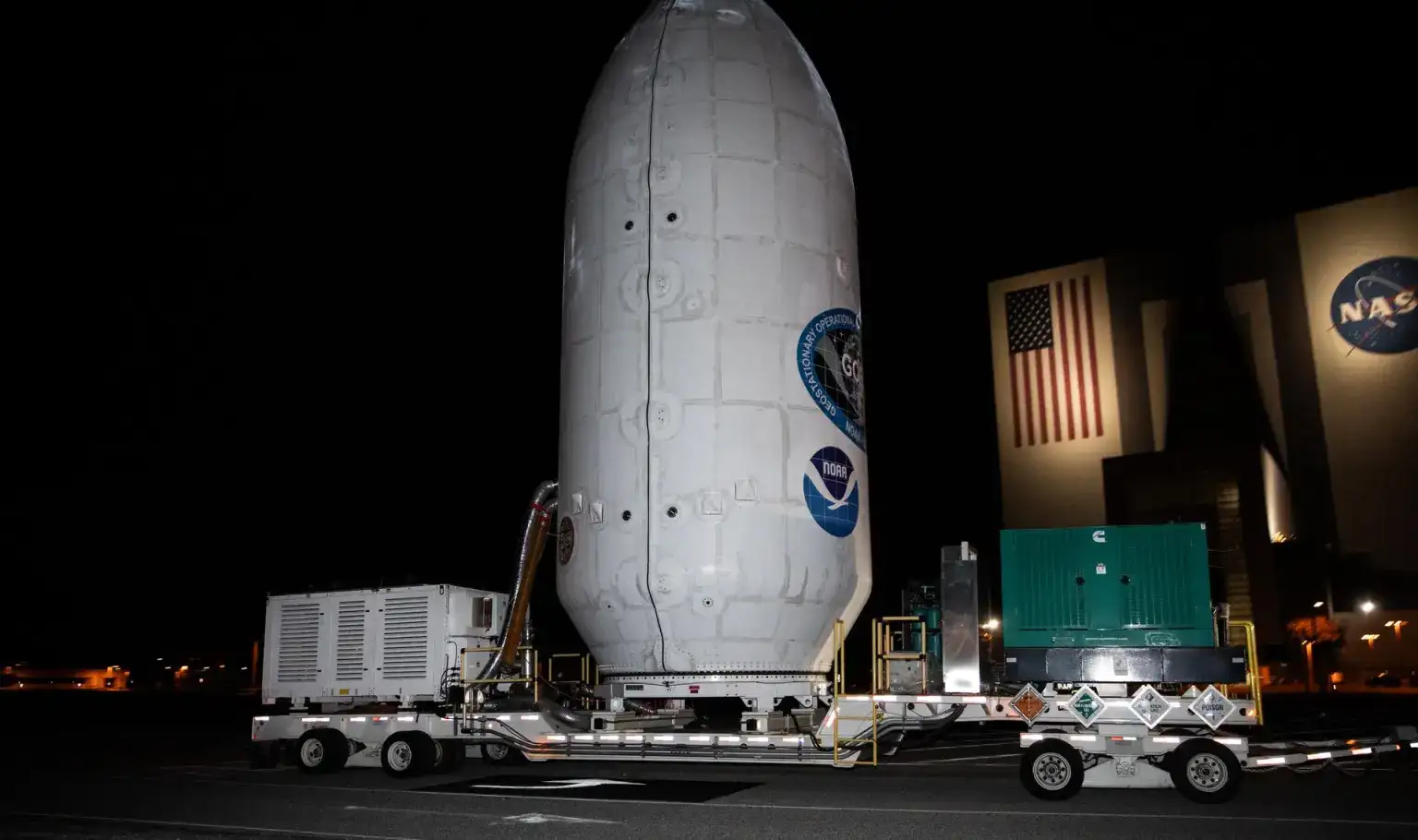
Orbiting approximately 22,000 miles above Earth, GOES-U will furnish enhanced real-time weather data to help monitor extreme events, particularly in vulnerable areas like Florida. NOAA scientist Dan Lindsey noted, “GOES-U will offer critical observations of hurricane formation and development,” enabling timely alerts and preparations to mitigate damage and save lives.
Engineering Marvel: Falcon Heavy
Soaring 229.6 feet tall with a diameter of 39.9 feet, the Falcon Heavy boasts three boosters, each driven by nine Merlin engines delivering a combined thrust exceeding five million pounds. Its power rivals that needed to lift a fully loaded 737 jetliner into orbit.
Since its inaugural flight in 2018, Falcon Heavy has accomplished nine missions with 17 booster recoveries and 14 booster re-flights, exemplifying SpaceX's cutting-edge advancements in rocket reuse. NASA’s GOES-U Mission Manager Rex Engelhardt expressed enthusiasm: “Each launch showcases human innovation and engineering excellence.”
Booster Recovery and Sonic Boom Phenomena
SpaceX aims to retrieve the Falcon Heavy’s two side boosters at Cape Canaveral, producing twin sonic booms resembling thunderclaps as they break the sound barrier during descent.
The central core, however, will be expended over the ocean following standard Falcon Heavy protocol, as safely returning all three boosters remains complex. A SpaceX representative remarked, “The sonic booms might take observers by surprise, but they demonstrate the immense speeds and forces involved in spaceflight.”
Launching Event Viewing Options
The Falcon Heavy launch window opens at 5:16 p.m. EDT on June 25, with numerous vantage points available along Cape Canaveral’s coast. The Space Coast Office of Tourism has curated ideal viewing spots, including beaches, parks, and eateries for enthusiasts eager to witness the event.
For audiences unable to attend, live coverage will stream on Space.com, providing global viewers front-row access. Space correspondent Meredith Garofalo remarked, “Seeing a launch live is unforgettable, but streaming brings that thrill to millions worldwide.”
The Future Trajectory of Weather Satellites
GOES-U caps off the GOES-R satellite lineup initiated in 2016, a program that has drastically improved forecasting and real-time weather imaging. Its successor, the Geostationary Extended Observations (GeoXO) satellites, plans to launch in the early 2030s to further advance meteorological science.
This forthcoming generation promises to build on the GOES legacy, enhancing capabilities for forecasting and climate monitoring. John Gagosian, director of NASA’s Joint Agency Satellite Division, stated, “Our long-term collaboration with NOAA has produced over 60 satellites that have transformed weather and climate monitoring. GOES-U represents the pinnacle of geostationary weather satellites.”
The launch of GOES-U aboard the Falcon Heavy represents a pivotal moment for both SpaceX and NOAA, showcasing progress in space technology’s role in deepening our understanding and prediction of Earth’s weather. This collaboration will greatly benefit preparedness and scientific knowledge worldwide.




0 comments
Sign in to Comment