
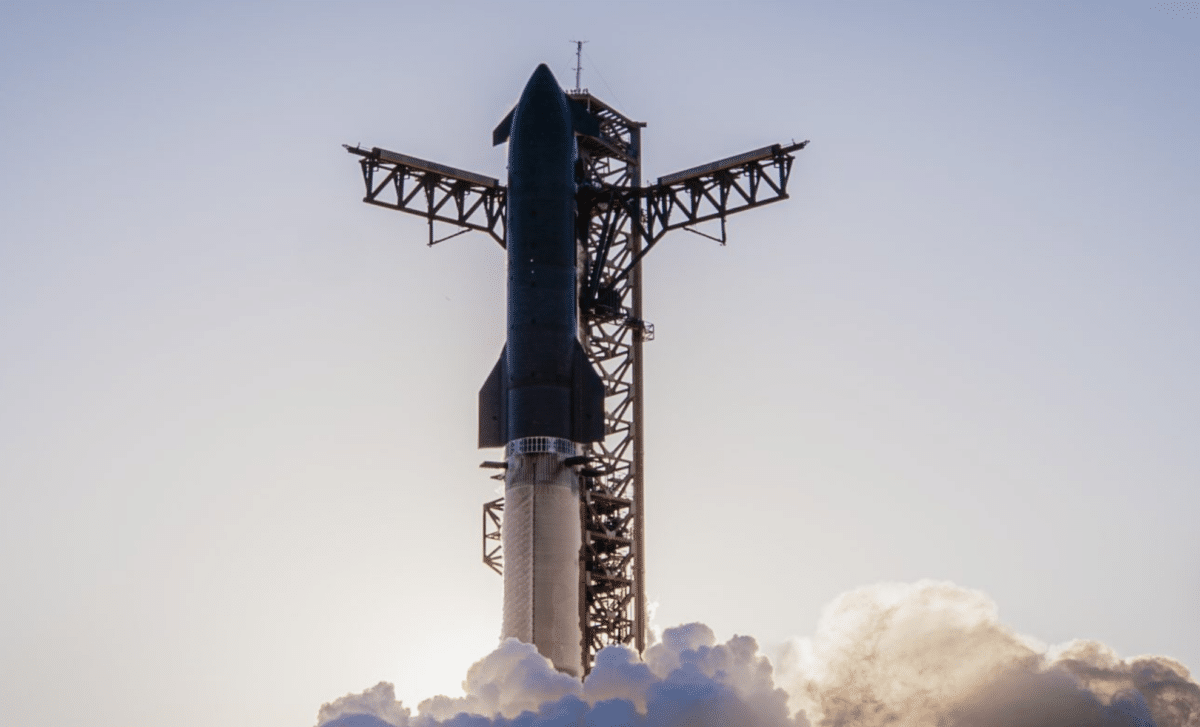
SpaceX is gearing up to launch the most advanced and powerful version of its Starship rocket yet. CEO Elon Musk announced on X (formerly Twitter) that the company intends to carry out the 12th test flight of Starship as early as March 2026. This upcoming mission represents a crucial advancement toward SpaceX’s ambitious plans to explore the Moon, Mars, and beyond. As this record-breaking rocket readies for its inaugural orbital journey, all eyes are on the company’s quest to transform space travel.
Introducing Starship Version 3: Advancing Mars Exploration
Starship Version 3 (V3) is designed to be SpaceX’s most capable rocket iteration so far. Unlike earlier versions that only completed suborbital tests, V3 aims to reach orbit, marking a vital step in achieving interplanetary exploration. Engineered to be taller, sturdier, and more efficient, this new design brings SpaceX closer to its goal of sending missions to Mars.
The upgrades incorporated in Starship V3 are tailored to support extended missions in space. Featuring larger and more powerful Raptor 3 engines, which produce an impressive 280 metric tons of thrust—50 tons more than the previous generation—the rocket is optimized for deep space travel. It also includes enhanced docking adapters designed for in-orbit refueling, a key capability for missions venturing beyond Earth's orbit. SpaceX continues to refine the rocket’s design to increase durability and operational efficiency, aligning with its long-term vision of establishing a sustainable human presence in space.

Countdown to Launch
Sharing exciting news via X, Elon Musk revealed that the next significant test flight for Starship V3 is planned for the second week of March 2026. Moving from suborbital to orbital testing, this flight will be a critical milestone in the rocket's development. While ambitious, this timeline reflects SpaceX’s commitment to pushing the rocket’s capabilities further, though extensive preparations remain before the launch.
Although the challenges are substantial given the complexity of the new model, the progress suggests Starship V3’s first orbital flight could happen soon. Ensuring the rocket’s reliability and safety demands rigorous trial runs, particularly due to its size and innovative systems, which are crucial for future human space exploration.
Powering the Mission: The Super Heavy Booster
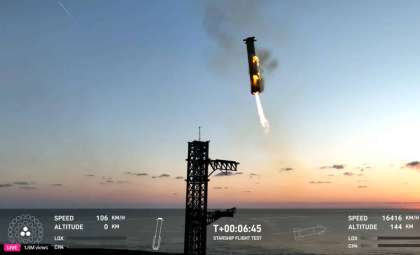
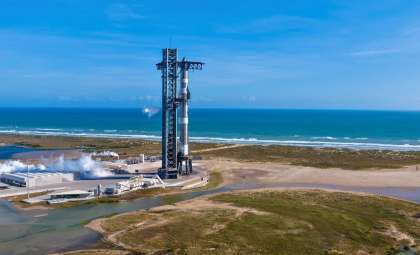
A key element of the Starship V3 system is the enormous Super Heavy booster, tasked with lifting the Starship spacecraft into orbit. This booster stands among the most powerful ever constructed. In late 2025, SpaceX successfully assembled the booster at its South Texas Starbase site in preparation for the upcoming flight.
Starship launch in 6 weeks pic.twitter.com/3HFf4H5cc4
— Elon Musk (@elonmusk) January 26, 2026
The impressive thrust delivered by the Super Heavy booster is essential to lift the massive Starship payload into space. Its heavy-lift capability is crucial for future missions tasked with transporting cargo and astronauts to the Moon, Mars, and beyond. SpaceX envisions this combination as a reusable and economical launch system that could enable regular trips to deep space destinations.
Raptor 3 Engines: Enhanced Power and Efficiency
A defining feature of Starship V3 is the upgrade to its Raptor 3 engines, which deliver substantially more thrust than the Raptor 2 models. Producing 280 metric tons of thrust compared to the previous 230, these new engines are lighter, simpler, and more efficient, which translates to cost savings and improved reliability.
This engine enhancement is vital for supporting missions that venture well beyond Earth orbit. As SpaceX works toward crewed voyages to Mars, the increased power and reliability of Raptor 3 will be essential in ensuring safe transport for astronauts on long interplanetary journeys.
SpaceX’s Vision for Humanity’s Future in Space
SpaceX’s overarching ambition is to establish a human presence beyond Earth, with Mars as a primary destination for colonization. Starship V3 plays a pivotal role in this plan, boasting the capacity to carry larger payloads over greater distances, while enduring the demands of deep-space travel. This new model aims to deliver both crew and cargo to Mars, laying the groundwork for a self-sustaining colony within upcoming decades.
Improvements in Starship V3’s design directly support SpaceX’s efforts to make Mars settlement feasible. Increased size, fuel capacity, and the ability to refuel in orbit equip the rocket for long-duration missions, enabling round trips to the Red Planet—a significant milestone in humanity’s endeavor to explore and inhabit new worlds.
- Categories:
- Space






0 comments
Sign in to Comment