
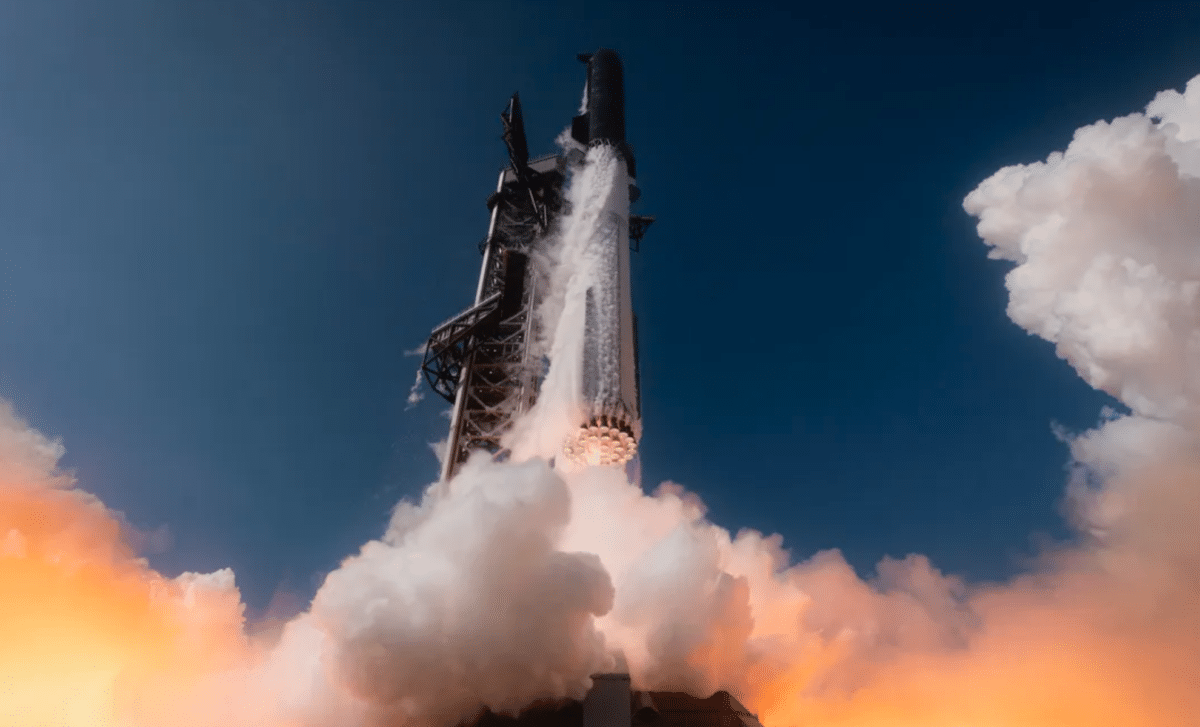
SpaceX is gearing up for the 13th launch attempt of its gigantic Starship spacecraft, aiming to experiment with cutting-edge technology and deploy the latest Starlink V3 satellites. The launch window opens from Starbase in South Texas on July 23, focusing on gathering critical data to advance reusable spaceflight capabilities.
This upcoming mission will emphasize enhancing the performance of the colossal rocket system, which consists of the Super Heavy booster combined with the Starship upper stage. It marks another step in SpaceX’s journey toward frequent launches and ambitious objectives such as lunar missions and eventual Mars exploration.
Starship’s Next Key Test Launch Planned from Texas
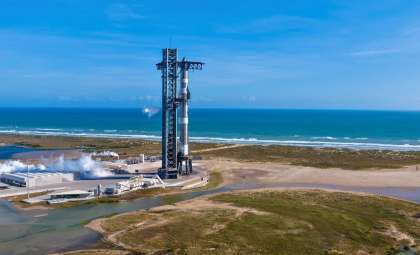
As reported by Space.com, the 13th flight of Starship will conduct a full-scale test flight of SpaceX’s integrated launch system. Liftoff will take place at the company’s Starbase facility in southern Texas, with the mission estimated to last about 90 minutes.

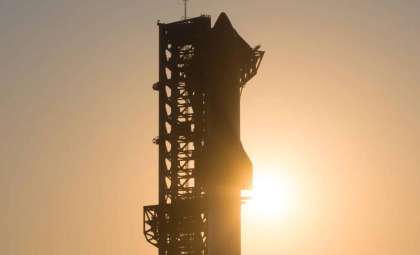
The rocket’s two main parts—the Super Heavy first stage and the Starship spacecraft—together tower over 400 feet tall (122 meters), designed to carry payloads exceeding 110 tons (100 metric tons) into orbit.
SpaceX has been developing Starship as a fully reusable transport vehicle intended for large-scale operations in space. Their long-range vision includes lunar missions and sending humans to Mars.
This flight follows the debut of the Starship V3 design during Flight 12, which showcased key advancements such as successful payload release and a controlled splashdown in the Indian Ocean.
Now targeting to launch Starship’s thirteenth flight test as early as Thursday, July 23 → https://t.co/Rp7VwBzpWx pic.twitter.com/Y0YNzfc5zk
— SpaceX (@SpaceX) July 19, 2026
Starship Flight 13 to Carry Advanced Starlink Satellites
An important goal for this mission is deploying 20 new Starlink V3 satellites. These next-gen satellites will expand SpaceX’s broadband internet service by boosting bandwidth and connection speeds for customers.
After release from Starship on a suborbital path, the satellites will deploy solar panels and antennas before testing communications through high-capacity laser links within the existing Starlink constellation.
SpaceX envisions a future network featuring up to 100,000 Starlink V3 satellites orbiting Earth. These units are considerably heavier than earlier models, weighing around 4,400 pounds (2,000 kilograms) each.
Meeting the massive launch demand this entails will require thousands of launches, a challenge SpaceX plans to address using the advanced capabilities of the Starship system.
Testing Heat Shield Technology for Starship Recovery
The mission will also evaluate the spacecraft’s heat shield performance during re-entry. Some Starlink V3 satellites onboard will be equipped with cameras to observe the heat shield tiles in flight.
Due to experiencing higher aerodynamic loads on ascent than previous flights, the craft will offer fresh data concerning tile durability and attachment.
Specialized load-sensing tiles will measure structural stresses throughout the mission phases, helping engineers refine recovery approaches.
SpaceX intends for both the Super Heavy booster and Starship to return to the launch site, catching them with mechanical arms known as chopsticks on the launch tower.
While previous tests have successfully caught Super Heavy, a tower capture of the Starship spacecraft itself has yet to be attempted.
Flight 13 Advances SpaceX’s Lunar and Mars Ambitions
The Starship V3 development aligns closely with SpaceX’s broader vision for space exploration. This spacecraft version is anticipated to support upcoming missions in partnership with NASA’s Artemis program.
Designed to haul heavy payloads and enable human journeys beyond low Earth orbit, Starship has been selected by NASA for future crewed lunar ventures.
Progress depends on increasing the vehicle’s reliability, reusability, and turnaround speed. Each successive test flight offers data critical to future design and operational improvements.
Flight 13 will be a key milestone in determining whether Starship can transition from a test bed into a dependable space transport system.
- Categories:
- News








0 comments
Sign in to Comment