
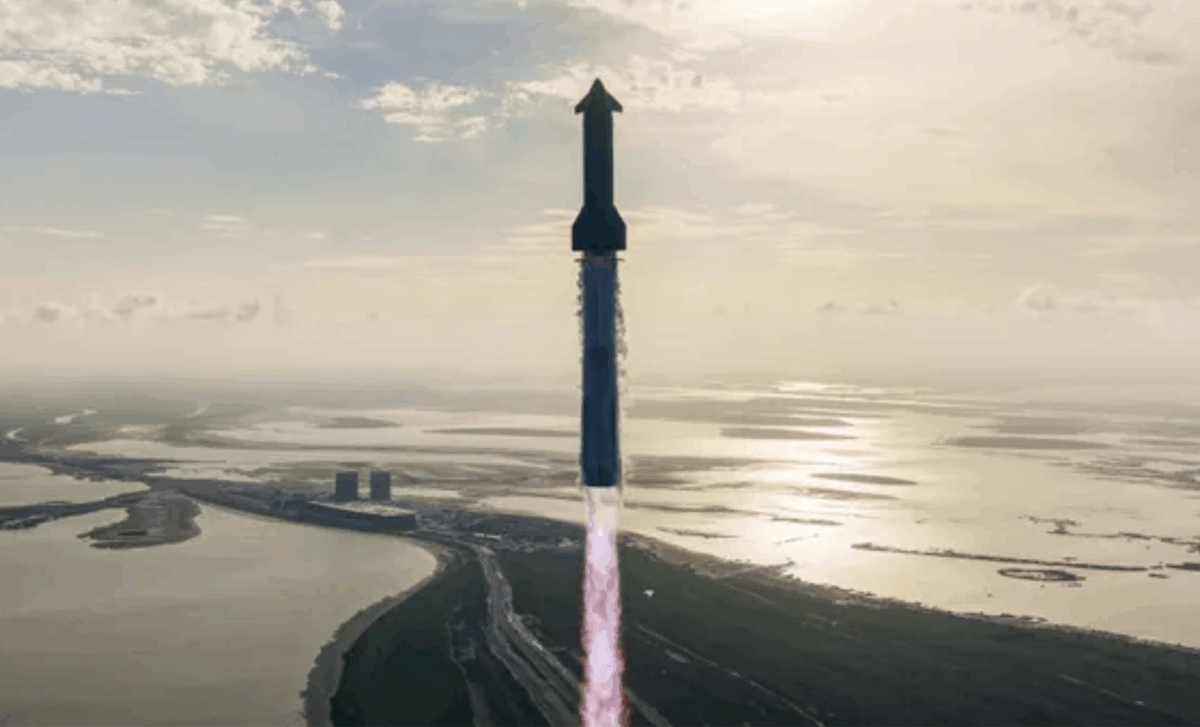
SpaceX is preparing for a landmark event with its Starship megarocket, scheduled for October 13, 2025. This mission will serve as the ultimate trial for the “Version 2” model of Starship, closing an important chapter in the company’s mission to transform space travel. Recent details reported by Space.com highlight that this launch follows a series of successful tests and is vital as SpaceX seeks to enhance the rocket’s design and technology.
Approaching the Starship Flight 11 Launch: Why It Matters
With the launch window opening on October 13, SpaceX’s Starship Flight 11 is set to become one of the most impactful developments in contemporary space exploration. Following multiple successful test flights, this will represent the final run of Starship Version 2, a critical milestone for SpaceX’s goal of reaching Mars. Liftoff will take place at the Starbase facility in South Texas, starting at 7:15 p.m. EDT (2315 GMT). SpaceX will stream the event live, allowing space fans worldwide to tune in.
This test flight goes beyond routine checks. SpaceX intends to showcase various spacecraft systems, including the launch of dummy Starlink satellites and advanced heat shield evaluations, gathering essential data to polish the rocket for eventual Mars missions.

Starship’s Ambitious Growth and Progressive Design
The SpaceX Starship Project is designed to be the most massive and powerful rocket ever created, with Version 2 towering 400 feet (121 meters) when fully assembled. This scale embodies SpaceX’s bold vision of crafting a fully reusable rocket system aimed at slashing spaceflight costs dramatically.
Nevertheless, Version 2 is only part of Starship’s evolving design story. The upcoming Version 3, scheduled for Flight 12, will reach an impressive height of 408 feet (124.4 meters), featuring upgraded capabilities. Looking ahead, Version 4, expected in 2027, will tower at 466 feet (142 meters), signaling that Starship’s development is far from over. This progression highlights SpaceX’s dedication to pushing space innovation and realizing interplanetary exploration.
A Critical Trial: Flight 11 for Starship Version 2
Starship Flight 11’s test profile will largely mirror that of the successful Flight 10 conducted on August 26, 2025. Similar to its predecessor, this mission will perform splashdowns in both the Gulf of Mexico and the Indian Ocean, aiming to assess the rocket’s re-entry and water landing capabilities. A standout feature will be the release of eight dummy Starlink satellites to validate satellite deployment mechanisms under operational conditions.
Besides payload testing, Flight 11 will challenge Starship with additional rigorous experiments. SpaceX plans to deliberately remove certain heat shield tiles to evaluate stress points on the vehicle during high-velocity atmospheric re-entry, offering key data on the performance of thermal protection materials.
Advancing Booster Recovery: Super Heavy’s Upgrades
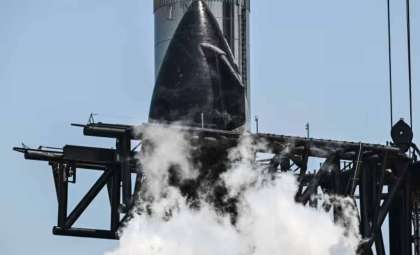
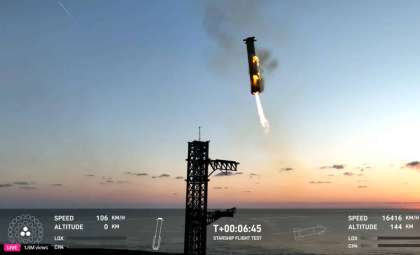
Reusability lies at the heart of Starship’s design, with the Super Heavy booster playing a pivotal role. Unlike conventional rockets that are discarded, SpaceX’s Super Heavy aims to return safely to Earth for reuse. In Flight 11, a new landing burn will involve five of the 33 Raptor engines, enhancing control and reliability compared to the previous three-engine setup, increasing the likelihood of a successful touchdown.
This mission will represent the Super Heavy booster’s second flight, having first flown successfully during Flight 8 in March 2025. Impressively, 24 of the 33 Raptor engines powering this booster have been flown before, showcasing SpaceX’s rapid advancements in sustainable rocket technology.
- Categories:
- News








0 comments
Sign in to Comment