
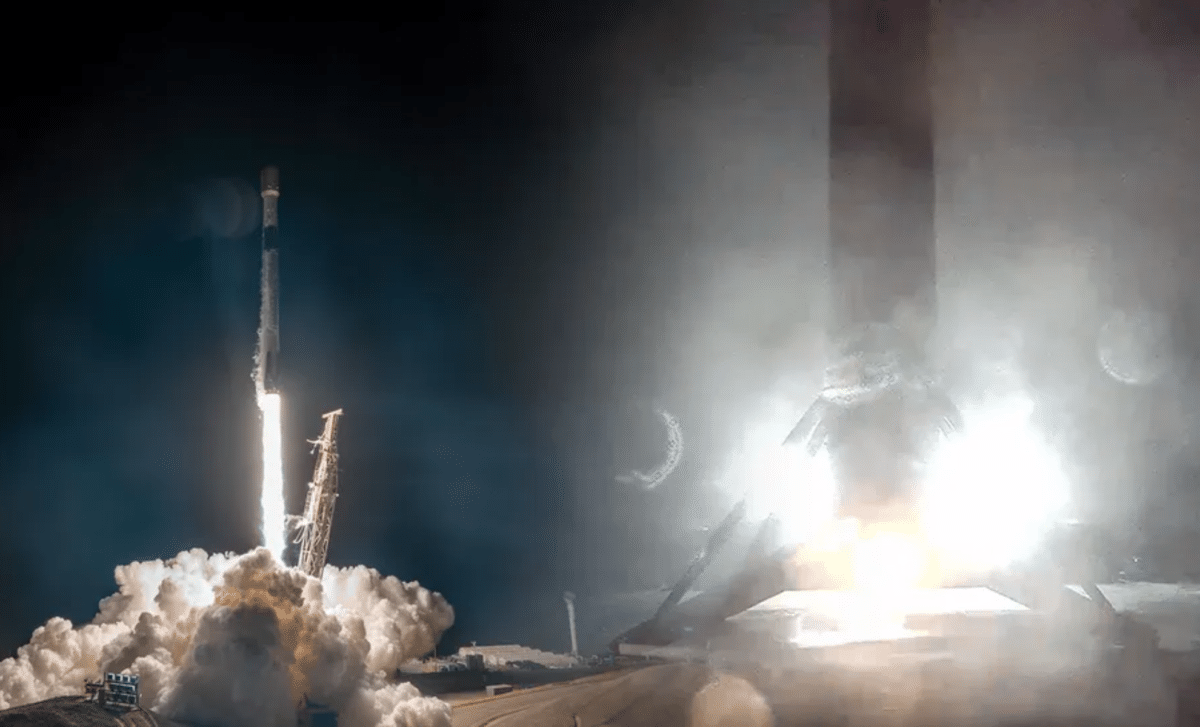
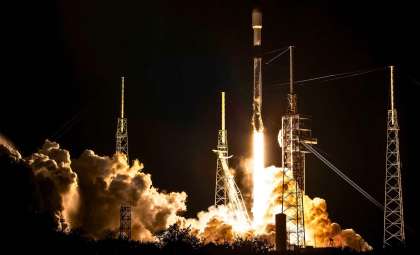
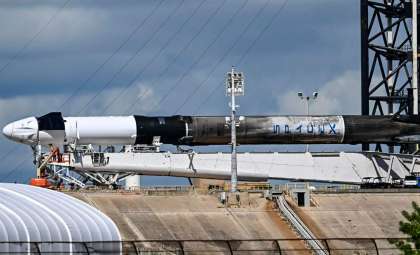
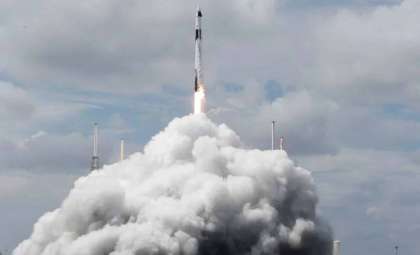
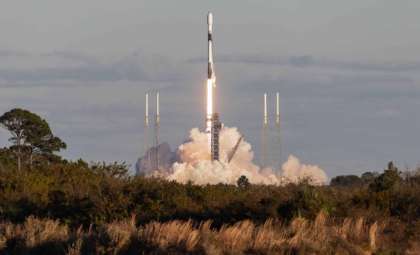
On February 21, 2026, SpaceX reached a groundbreaking achievement by launching two Falcon 9 rockets simultaneously, one of which completed its 33rd flight. This milestone highlights the company's dedication to cutting costs in space travel via reusable technology. The launches, deploying 53 additional Starlink satellites, occurred from both California and Florida, advancing SpaceX’s goal of delivering high-speed internet on a global scale through its Starlink program.
Advancements in Rocket Reusability
SpaceX has continually led the way in perfecting reusable rocket technology. The February 21 launch emphasizes the firm’s commitment to enhancing and expanding spaceflight possibilities. The Falcon 9, well-known for its reusability, achieved its 33rd successful reflight—a milestone unmatched by any other aerospace company.
Reusable rocket components greatly reduce mission expenses. Previously, rockets were used just once and discarded, but Falcon 9’s design enables SpaceX to save millions per mission through component recovery. This innovation not only makes space endeavors more affordable but also promotes sustainable exploration by allowing multiple flights per rocket. This breakthrough might soon enable more frequent launches and ambitious missions further into space.

With continuous improvements, SpaceX is enhancing the durability and efficiency of its reused boosters. This historic flight further establishes the company’s reputation as a pioneer in aerospace technology and sets new industry standards.
Expansion of the Starlink Network
The twin launches on February 21 boosted SpaceX’s Starlink constellation by adding 53 new satellites. This expansion supports the ambitious mission to extend broadband access worldwide, with a focus on areas lacking reliable connectivity. According to Space.com, there are now over 9,700 active Starlink satellites benefiting users with broader coverage and improved network strength.
The Starlink initiative aims to bring fast, low-latency internet service to even the most remote locations, overcoming challenges posed by conventional ground-based infrastructure. Beginning from a modest fleet, the project has evolved into one of history’s largest satellite constellations, poised to transform global communications.
Falcon 9’s Landmark 33rd Flight: A Testament to Engineering Excellence
Throughout the years, the Falcon 9 rocket has undergone numerous upgrades focusing on performance, reusability, and design tweaks. Reaching its 33rd reflight showcases the cutting-edge engineering that underpins SpaceX's reusable rocket technology. This success reflects the company’s persistent drive for innovation, integrating advanced materials, enhanced navigation, and efficient propulsion.
A defining feature of Falcon 9 is its ability to return vertically to Earth post-launch, either on drone vessels at sea or dedicated landing pads on land. This vertical landing capability differentiates SpaceX from competitors and has transformed the spaceflight landscape by allowing multiple safe rocket reuses without sacrificing reliability.
Achieving the 33rd flight vividly demonstrates the vast potential of rocket reusability, hinting at a future where space travel is both common and economically feasible.
Environmental Advantages of Reusing Rockets
Beyond technological marvels and cost savings, the environmental benefits of reusable rockets are significant. A key advantage is the reduction in space debris, a growing concern with single-use launch vehicles discarded after missions.
SpaceX’s approach to recovering, refurbishing, and reusing rocket stages dramatically cuts down the volume of orbital junk produced by launches. This approach supports the sustainable management of Earth's orbital environment. As satellite deployments rise, curbing debris generation will be crucial for safe and sustainable operations in space.
SpaceX’s continuous innovation in reusable rocket technology marks a significant stride toward reducing the environmental footprint of space exploration.
- Categories:
- Space






0 comments
Sign in to Comment