
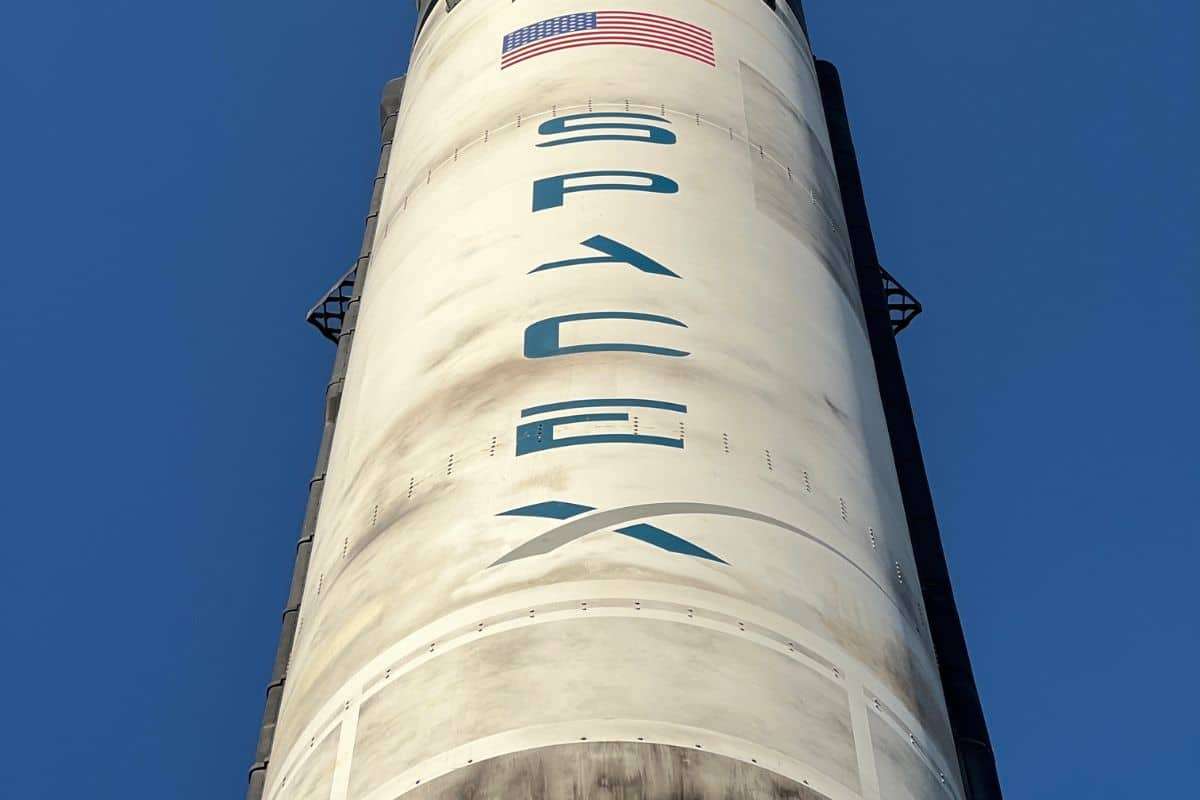
SpaceX’s latest Starship prototype experienced a dramatic in-flight explosion shortly after liftoff, scattering debris across Florida and marking a fresh hurdle for the company's bold ambitions in space travel.
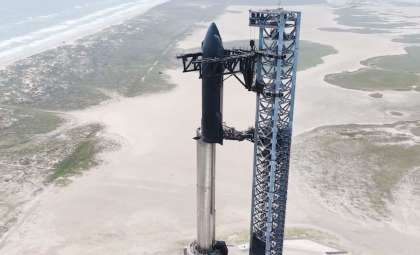
The towering 403-foot vehicle, engineered for missions targeting the Moon, Mars, and beyond, disintegrated rapidly after its upper stage lost control during ascent. This flight represented the eighth test of the Starship system, which aims to become the first fully reusable orbital launch vehicle.
The Challenges of Starship’s Flight
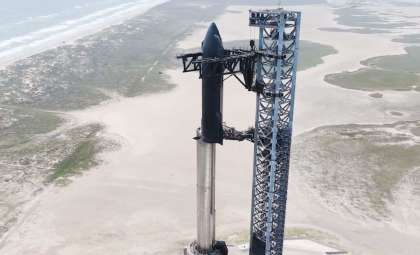
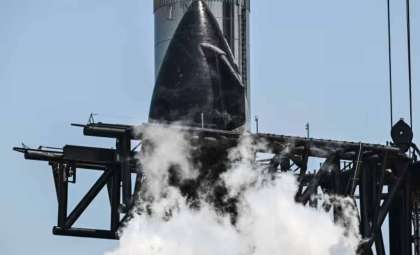
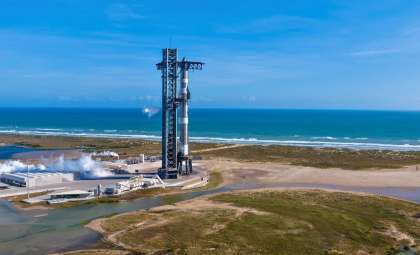
The launch commenced successfully from Boca Chica, Texas, where SpaceX’s Starbase serves as the primary testing facility for this next-generation spacecraft. The Super Heavy booster performed reliably, separating cleanly from the Starship orbiter and returning safely to the launch site.

Complications arose when Starship ignited its six Raptor engines for continued flight. Multiple engines shut down unexpectedly, causing the vehicle to spin out of control. Instead of reaching its planned target over the Indian Ocean, the rocket broke apart spectacularly, producing a fiery display visible across Florida’s sky.
A Recurring Challenge for SpaceX
This incident follows a similar mishap just two months ago, when another Starship prototype exploded, raining flaming debris over the Turks and Caicos Islands.
Despite these setbacks, SpaceX has embraced a strategy of rapid development, learning from each test to improve future flights.
“We’re no strangers to this process now,” noted SpaceX flight commentator Dan Huot, speaking to the sequence of recent failures. The company later confirmed that Starship experienced an unexpected breakup during ascent, though full details remain pending.
Investigating the Failure
While an official investigation is still underway, initial indicators point to engine issues as a key factor. Starship’s propulsion relies on six high-performance Raptor engines, and the sudden shutdown of several likely destabilized the rocket, leading to loss of control.
It remains uncertain whether the vehicle’s self-destruct mechanism was triggered or if aerodynamic stresses caused the disintegration. Debris falling over Florida was witnessed by many, with videos capturing the fiery remnants in the sky.
Advancements Amidst Setbacks
Despite the midair destruction, SpaceX did achieve an important success: the Super Heavy booster was successfully recovered. Unlike earlier tests, this time it was caught by massive robotic arms at the launch tower, marking progress toward more reusable and cost-effective space operations.
Each failure provides valuable insights, but repeated setbacks could impact SpaceX’s schedule. The company is working against the clock to meet NASA’s Artemis program deadlines, where Starship is expected to play a vital part in returning astronauts to the Moon. Regulatory challenges concerning debris and safety might also affect upcoming test flights.
Looking Ahead for Starship
SpaceX maintains an aggressive testing pace, planning another Starship launch within the next few months. Elon Musk stresses that rapid trial and error is essential for refining the system, and despite recent explosions, the company remains confident about reaching its goal of full reusability.
- Categories:
- News






0 comments
Sign in to Comment