
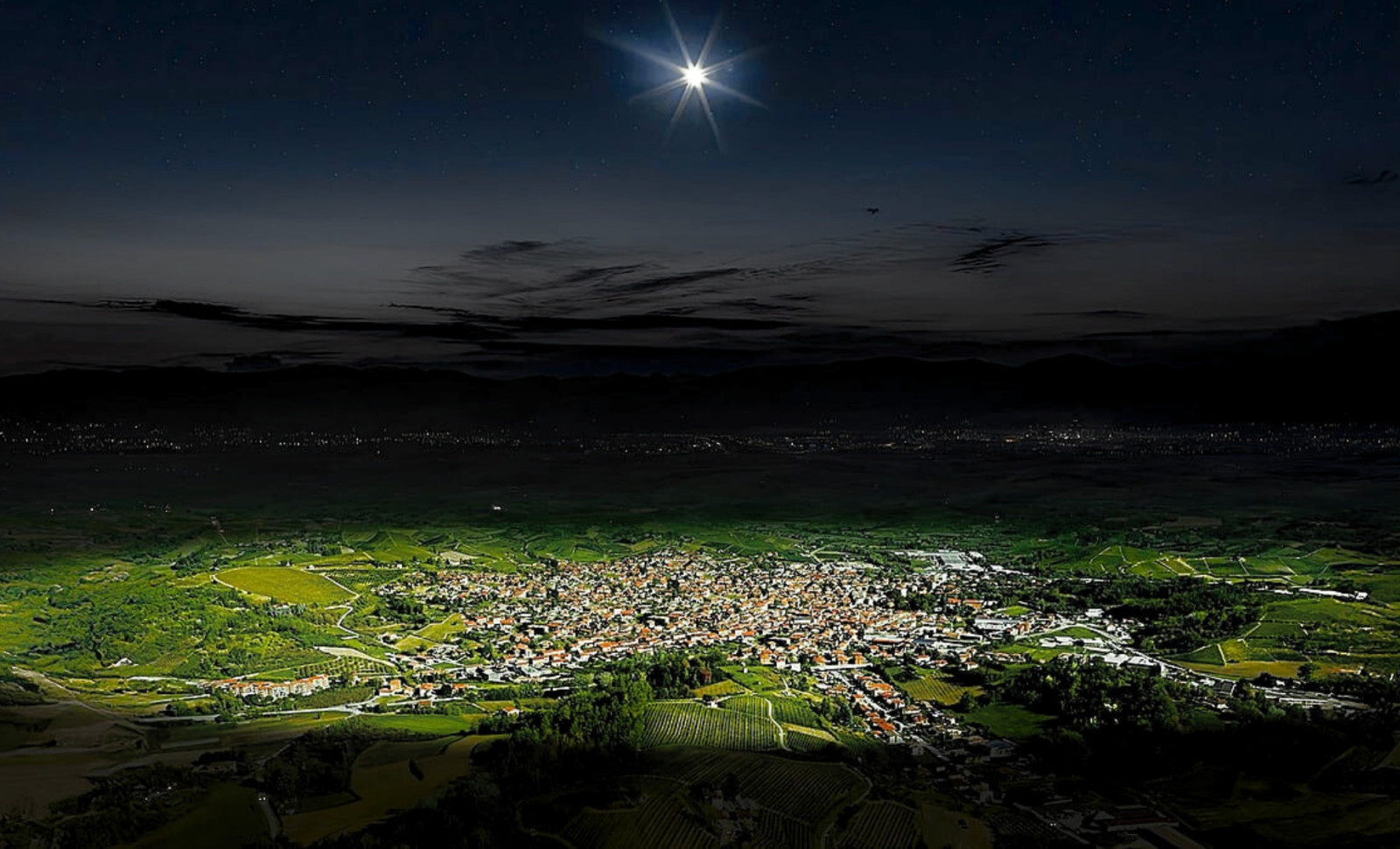
As daylight fades, cities usually plunge into darkness, with streetlights flicking on and night shifts winding down. Solar panels cease producing energy as the sun dips below the horizon. This daily shift between day and night has long been a constant worldwide.
However, the skies are undergoing a transformation. Thousands of satellites now orbit close to Earth, and it’s common for long-exposure night sky photos to capture dazzling trails caused by these objects. Astronomers are increasingly focused on the impact of satellites on observing faint celestial bodies, with these spacecraft already altering the appearance of the night sky.
One innovative company from California aims to harness satellites for a new purpose after sunset. Reflect Orbital is developing satellites outfitted with expansive mirrors intended to bounce sunlight back down to Earth, providing artificial illumination after dark.

Initial proposals outline a network of thousands of satellites bouncing sunlight to targeted areas, extending usable daylight for activities like nighttime work or enhancing solar energy production. Though still in the developmental stage, this concept has caught the eye of both astronomers and environmentalists.
Reflect Orbital’s Vision: Thousands of Satellites Redirecting Sunlight to Earth
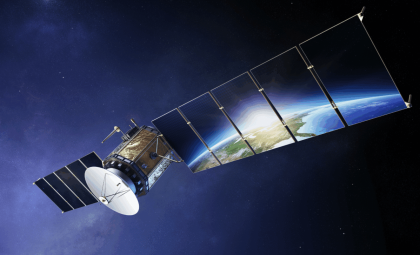
Reflect Orbital envisions launching a fleet of satellites equipped with large reflective panels. The plan includes deploying as many as 4,000 satellites into low Earth orbit. These craft would carefully angle their mirrors to direct sunlight onto specific Earth locations from space.
Future mirrors could expand to about 55 meters in diameter, capturing sunlight and reflecting it toward the ground. The satellites would operate in positions where they remain sunlit while the regions below are in darkness, enabling them to cast daylight over select areas temporarily.
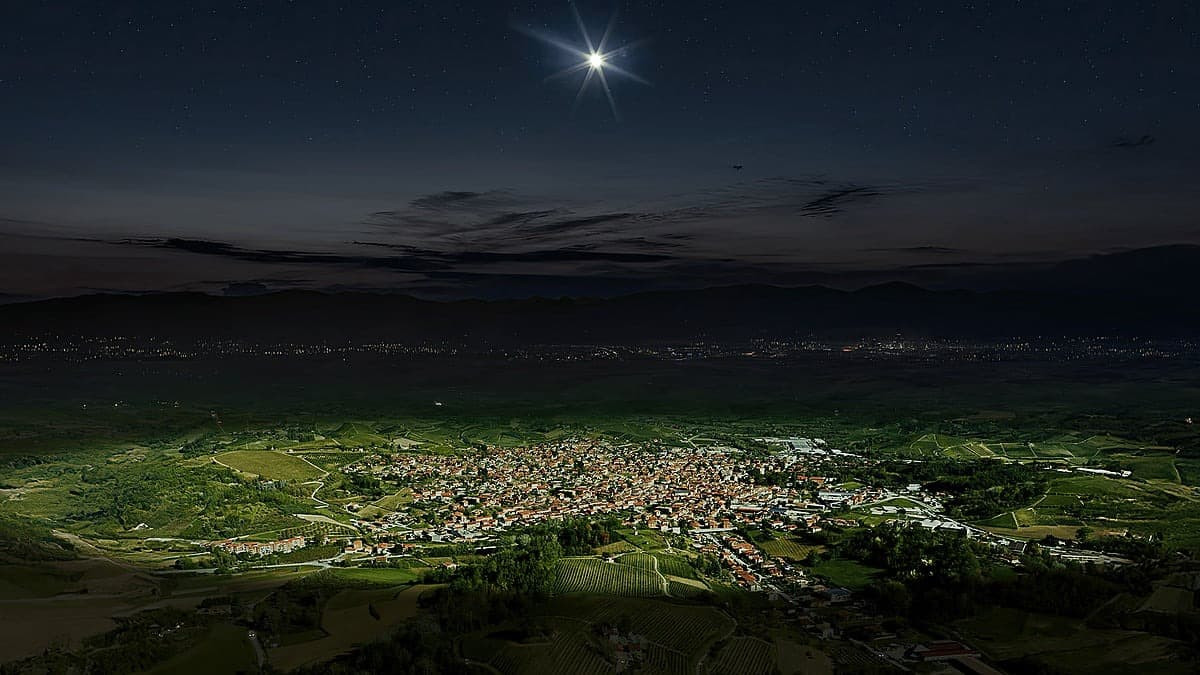
The project’s first trial, named Eärendil-1, involves deploying an 18-by-18 meter square mirror from a satellite orbiting roughly 600 kilometers above Earth. It will attempt to shine sunlight onto selected spots for several minutes each pass.
Engineers will evaluate the satellite’s ability to precisely target ground locations with its reflected light. Ground-based sensors will record brightness and coverage during these tests, providing critical data to refine the technology.
Mechanism Behind Sunlight Reflection to Earth's Surface
This system depends on satellites orbiting in a sun-synchronous orbit, allowing them to fly along the boundary between Earth’s daylit and night sides. This unique orbit lets the satellites remain bathed in sunlight, even when areas below are dark, making light reflection feasible.
Because the Sun is a disk-like light source, the reflected beam won’t be a sharp spotlight but rather a diffuse glow expanding as it travels through the atmosphere. This effect creates an illuminated zone rather than a tight beam.
Preliminary models indicate a reflection might brighten a region roughly 5 to 6 kilometers wide. Observers within this zone could experience a visible increase in sky brightness during the satellite’s pass, potentially outshining typical moonlight, but only briefly as the satellite moves.
Reflect Orbital plans for the mirrors to pivot away from Earth immediately after each illumination session to avoid stray reflections, ensuring light pollution is limited to designated times.
Astronomers Voice Objections Over Increasing Satellite Brightness
This initiative has elicited worry from astronomers worried about night sky observations. Even standard satellites can disrupt telescope imagery, producing bright streaks during long exposures that cut across the field of view.
In research led by Dr. Alejandro S. Borlaff of the NASA Ames Research Center, published in Nature, satellite-reflected light is shown to contaminate sensitive images astronomers use to detect faint cosmic phenomena. Even fleeting reflections complicate these delicate observations.
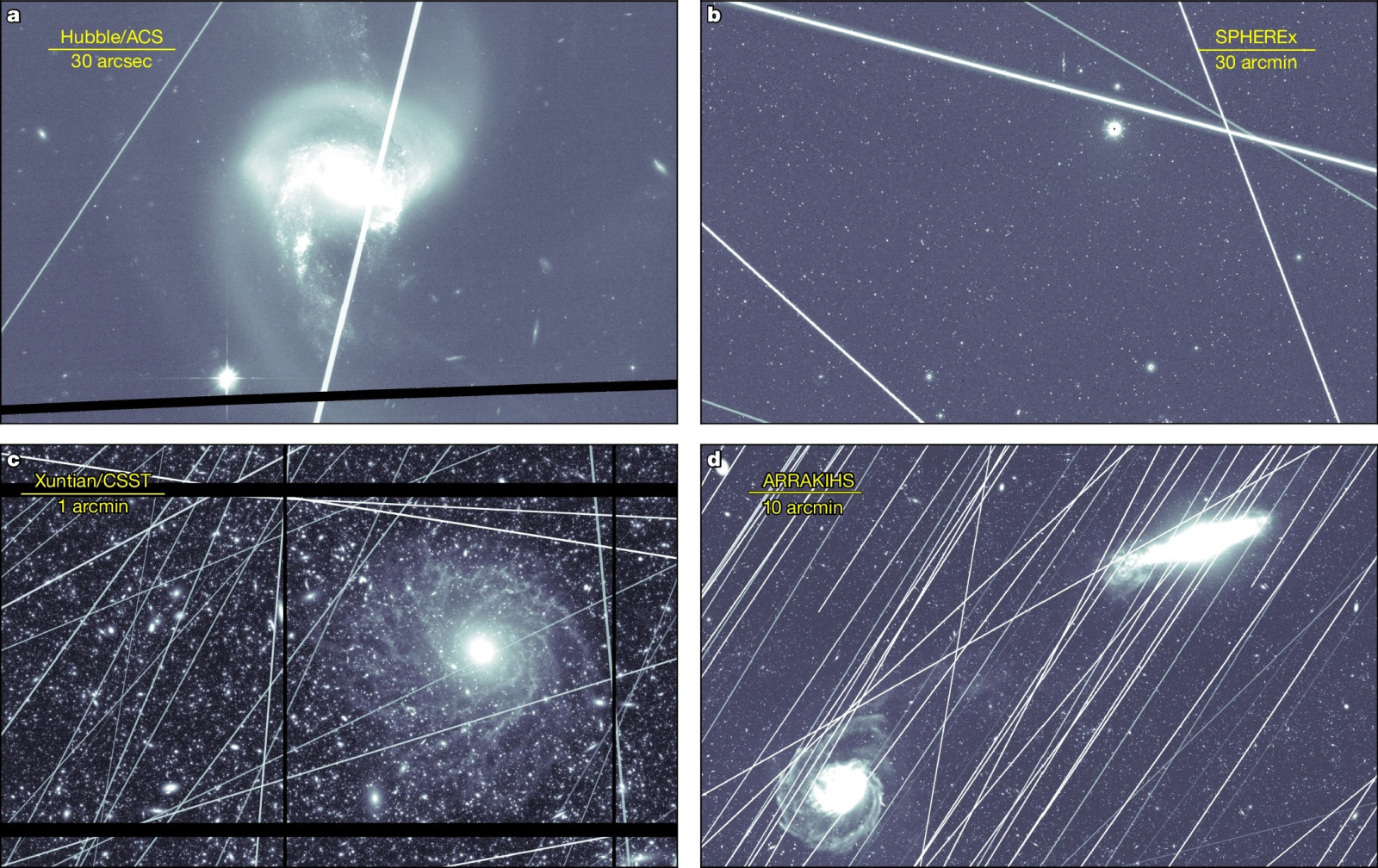
The satellite population has soared in recent years, increasing from roughly 2,000 in 2019 to projections nearing 15,000 by 2025. Long-term forecasts suggest that hundreds of thousands may soon populate low Earth orbit. This growth has triggered ongoing studies of its effects.
Experts caution that satellites designed to reflect sunlight could exacerbate the problem, potentially appearing far brighter than the full moon when overhead, elevating baseline sky brightness over wide regions.
Environmental Impact and Orbital Congestion Concerns
Artificial nighttime lighting can also disturb ecosystems, as many animals depend on natural darkness for essential behaviors like migration and feeding. Environmental research has documented how increased light pollution disrupts these processes. Adding orbital light sources could worsen this globally.
Groups like DarkSky International monitor the spread of artificial light worldwide. Scientists also investigate how changes in nighttime illumination affect human circadian rhythms, influencing sleep and hormones, thus impacting health.
Additional worries stem from the growing clutter of satellites and debris in low Earth orbit. The introduction of thousands more satellites increases collision risk, as small debris traveling at high velocities can damage spacecraft and generate further fragments.
The upcoming test with the Eärendil-1 satellite will be crucial for assessing whether Reflect Orbital’s concept of directing sunlight onto Earth via satellites is viable for future expansion beyond experimental trials.
- Categories:
- News









0 comments
Sign in to Comment