
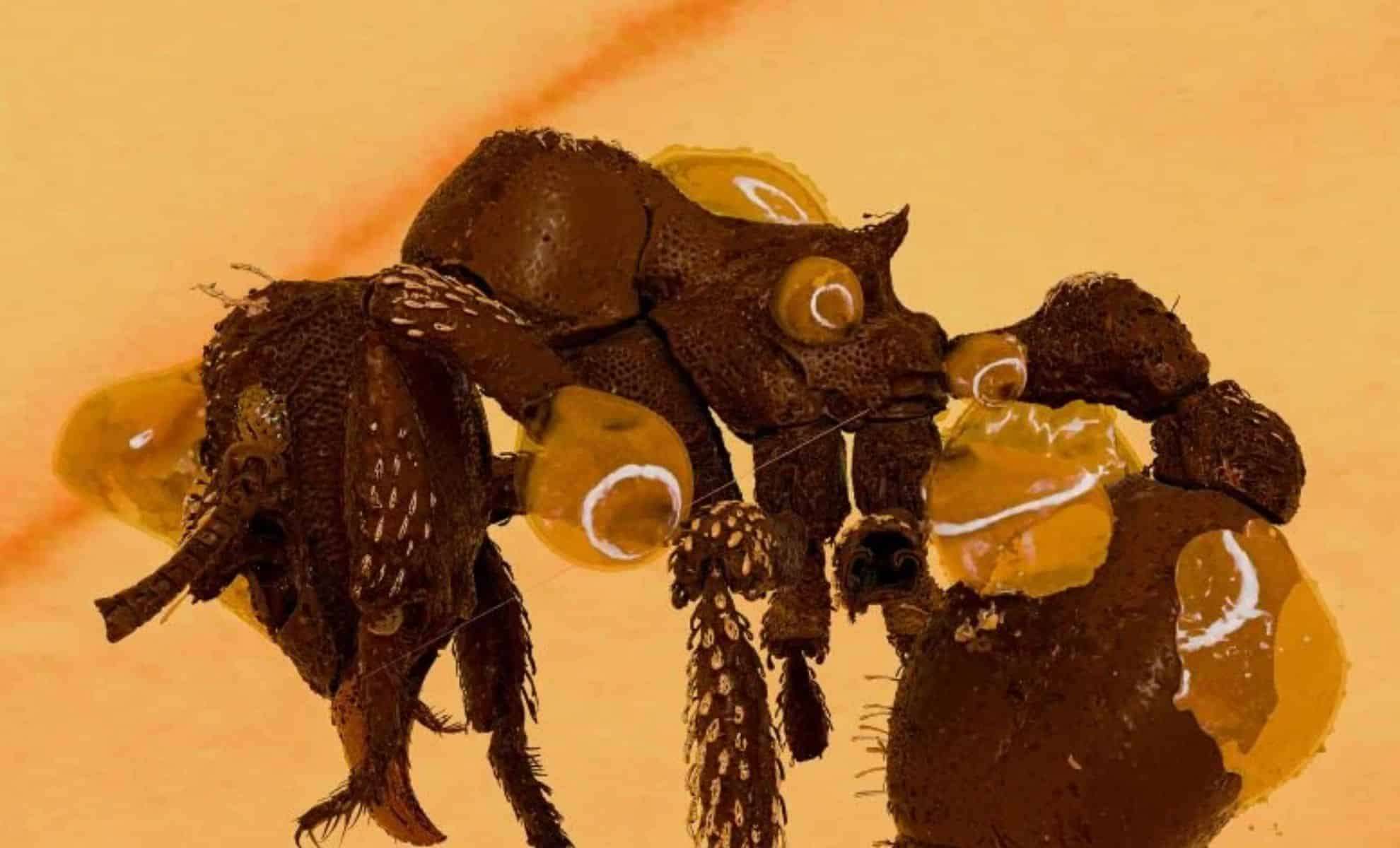
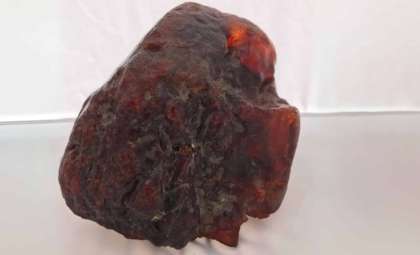
A remarkable fossil dating back 16 million years, preserved in Dominican amber, has revealed an extraordinary find: an ancient “dirt ant” that alters previous perspectives on ant evolution. Published in the Proceedings of the Royal Society B, this research unearths evidence that the Basiceros ant lineage once inhabited the Caribbean before mysteriously disappearing during the Miocene era.
Unearthing a Tiny Treasure in Amber
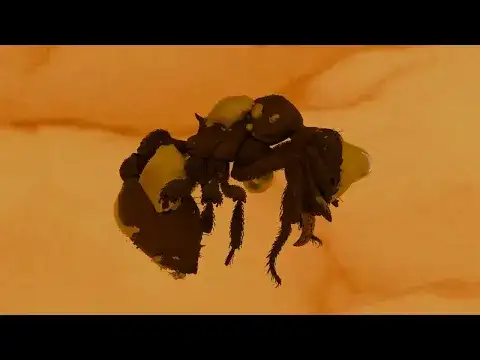
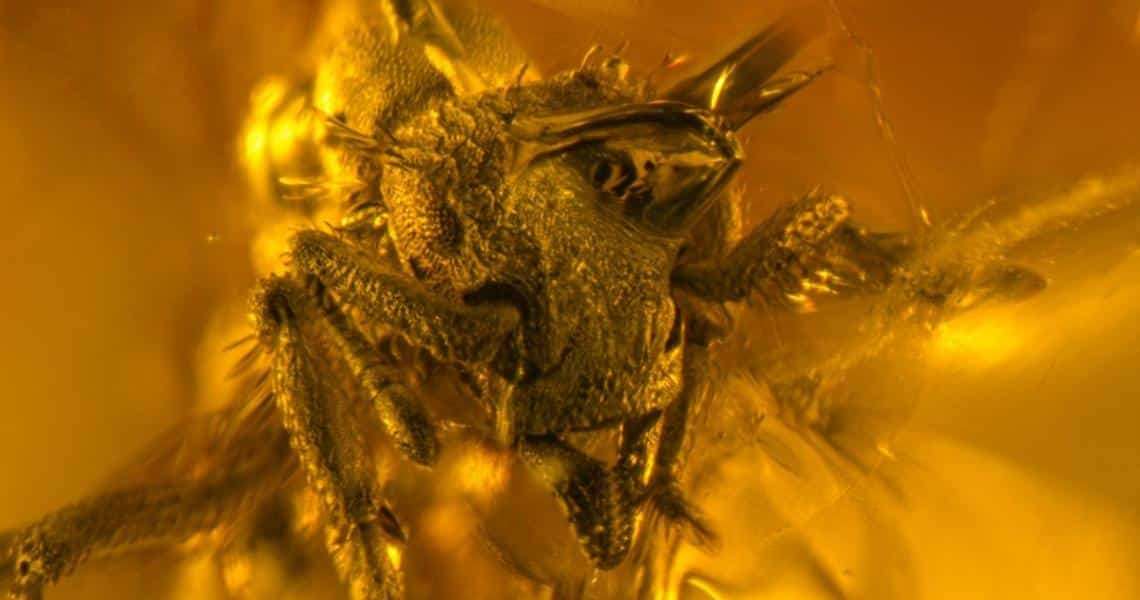
The fossil represents a worker ant belonging to a newly identified species, Basiceros enana. Encased in amber from the Dominican Republic, this minute creature—measuring only 5.13 millimeters in length—provides an exceptional window into ancient ecosystems where predatory ants flourished.
Scientists at the New Jersey Institute of Technology (NJIT) describe this discovery as “akin to unearthing a diamond” due to the extreme scarcity of dirt ants in fossil records and modern habitats alike. Presently, Basiceros ants survive exclusively in neotropical rainforests from Costa Rica down to southern Brazil, far removed from their once Caribbean range.

Piecing Together an Evolutionary Mystery
Previously, it was assumed that Basiceros ants evolved only within South America; this fossil overturns that assumption by demonstrating their presence in Caribbean islands before their Miocene disappearance.
“Discoveries like this overturn conventional ideas about species distribution over time,” explained Phil Barden, the study’s senior researcher. “Studying only living ants wouldn’t reveal their ancestors’ Caribbean existence.”
Moreover, this finding changes the evolutionary story of the genus, showing that these ants almost doubled in size over 20 million years, defying past ideas that they started larger and gradually shrank.
Advanced Imaging Illuminates Ancient Details
Employing cutting-edge micro-CT scanning technology, the research team visualized minute structures invisible to the naked eye. They uncovered unique hairs—both elongated “brush hairs” and shorter “holding hairs”—which dirt ants use to camouflage themselves by trapping soil particles.
This method of crypsis, or concealment, was evidently already in use 16 million years ago, indicating ancient ants had refined survival techniques still effective in modern species.
Causes Behind Their Extinction
Despite their effective survival adaptations, Basiceros enana vanished from the Caribbean fossil record. Researchers suggest that drastic environmental shifts during the Miocene, habitat reduction, increased competition from other ant species, and a significant drop in predator diversity—leading to the extinction of more than a third of ant genera since Dominican amber formed—all contributed to their disappearance.
“This fossil fills a critical part of the evolutionary puzzle,” stated Gianpiero Fiorentino, lead author. “Insights into why these ants disappeared can inform current efforts to identify species vulnerable to extinction today.”
Implications for Understanding Biodiversity
The identification of Basiceros enana offers a detailed perspective on ancient biodiversity and informs future conservation science. By analyzing how extinct species adapted, migrated, and were eventually lost, scientists gain deeper comprehension of extinction dynamics and survival strategies.
“Fossils don’t just complete the story—they challenge every chapter,” Barden emphasized. This tiny ant fossil from Dominican amber transcends a mere scientific curiosity, serving as a compelling reminder of the intricate and delicate tapestry of Earth’s evolutionary history. Each discovery redraws the map of life’s past, showcasing both resilience and vulnerability through time.
- Categories:
- News








0 comments
Sign in to Comment