
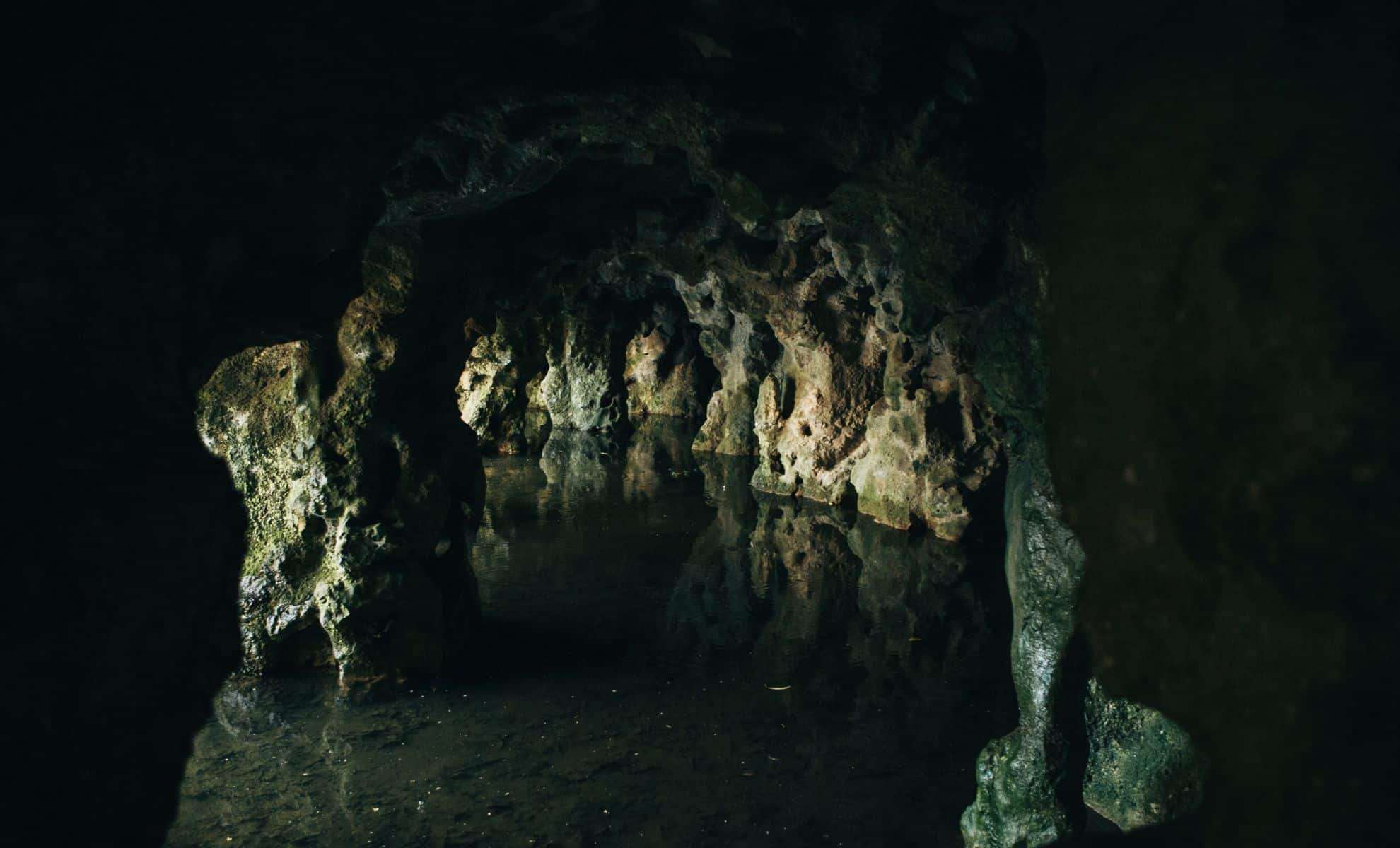
In 1905, a young explorer named Ben Sands, aged just 13, made an extraordinary find deep inside the Craighead Caverns of Tennessee. This hidden body of water, later called the Lost Sea, is recognized as North America's biggest underground lake. Sands' accidental discovery has since intrigued scientists and visitors alike. The cave system itself was familiar to the Cherokee people long before European contact, with a rich cultural background. Early inhabitants used the cave's naturally cool environment for food storage, leaving behind artifacts like pottery shards and arrowheads. Despite this long history, the immense underground lake remained undiscovered until Sands’ remarkable encounter. According to a CBS News feature, divers and researchers continue to be fascinated by this vast lake. Although portions have been charted, the full depth and reach of the lake elude exploration, leaving many mysteries beneath its surface.
A Chance Discovery With Lasting Impact
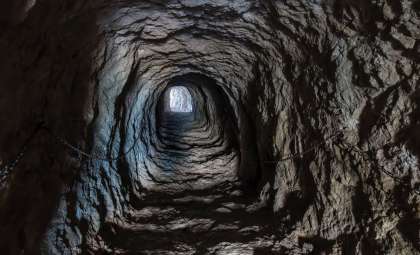
Ben Sands was not intentionally searching for an underground lake when he ventured into the cave. His curiosity led him through a narrow passage barely wide enough for a bicycle tire, crawling 40 feet before dropping into a huge cavern partially filled with water. In the darkness, his torchlight only illuminated a small area, yet when he tossed mudballs into the pool, the absence of echoes suggested an enormous hidden space.
This accidental finding sparked significant scientific interest and cultural fascination. Today, the Lost Sea occupies more than 13 acres and remains one of the largest subterranean lakes in North America. Despite thorough investigations, no definitive boundaries have been discovered, making it one of the biggest unexplored underground wonders. This discovery highlights how much of Earth’s natural world still remains concealed.

Probing the Depths: How Extensive is the Lost Sea?
The Lost Sea draws both scientific attention and adventurous tourists due to its sheer size and mystery. Divers have managed to map over 13 acres (5.2 hectares) of this underground water body, but much of it remains uncharted. Situated within the Craighead Caverns, certain parts continue to reveal new geological formations. The exact area where Sands first arrived now welcomes thousands of visitors yearly, eager to witness this subterranean marvel. Despite being among the continent’s largest underground lakes, most of it remains largely unexplored.
Originally, the lake was thought incapable of supporting aquatic life due to its isolation. However, in the 1930s, rainbow trout were introduced in hopes of uncovering hidden passages as they swam. While these fish thrived, their isolation led to noticeable biological changes, including diminished pigmentation and eye function. The true dimensions of the lake remain a captivating enigma that fuels ongoing scientific exploration.
Unique Ecosystem Beneath the Earth’s Surface
The Lost Sea hosts a delicate ecosystem specially adapted to life underground. Approximately 300 rainbow trout inhabit the waters but have undergone remarkable adaptations due to perpetual darkness. Isolation from sunlight has caused these fish to lose much of their coloration and degrade their eyesight. As Craighead Caverns guide Savannah Dalton shared in a 2019 CBS News interview, “They’re down here long enough that they do lose a small portion of both their eyesight and their color.
The lighting of course is not natural sunlight, so they can’t really maintain that pigment.” These adaptations make the Lost Sea a fascinating case for scientists studying evolution in isolated ecosystems. The trout's continued survival, despite limited food sources, is helping researchers understand how species endure in confined, nutrient-scarce habitats. Beyond the trout, the lake may harbor other unknown organisms, enhancing its significance as a natural laboratory for underground biodiversity.
The Ongoing Quest to Unlock the Lost Sea’s Secrets
Despite decades of research, the Lost Sea holds many secrets yet to be unveiled. Although it covers over 13 acres of water, only a fraction has been explored by divers. Recognized as potentially the largest subterranean lake in North America, its full spread remains elusive. Advancements in diving technology and cave mapping offer hope for uncovering new sections, but the lake’s immense size and maze-like underwater passages challenge explorers. What lies beneath this aquatic expanse—from hidden geological formations to undiscovered creatures—remains unknown. Scientists are eager to further investigate its geology, hydrology, and subterranean life forms. The Lost Sea continues to remind us that vast, mysterious places still exist beneath our feet, waiting to share their stories.
- Categories:
- News





0 comments
Sign in to Comment