
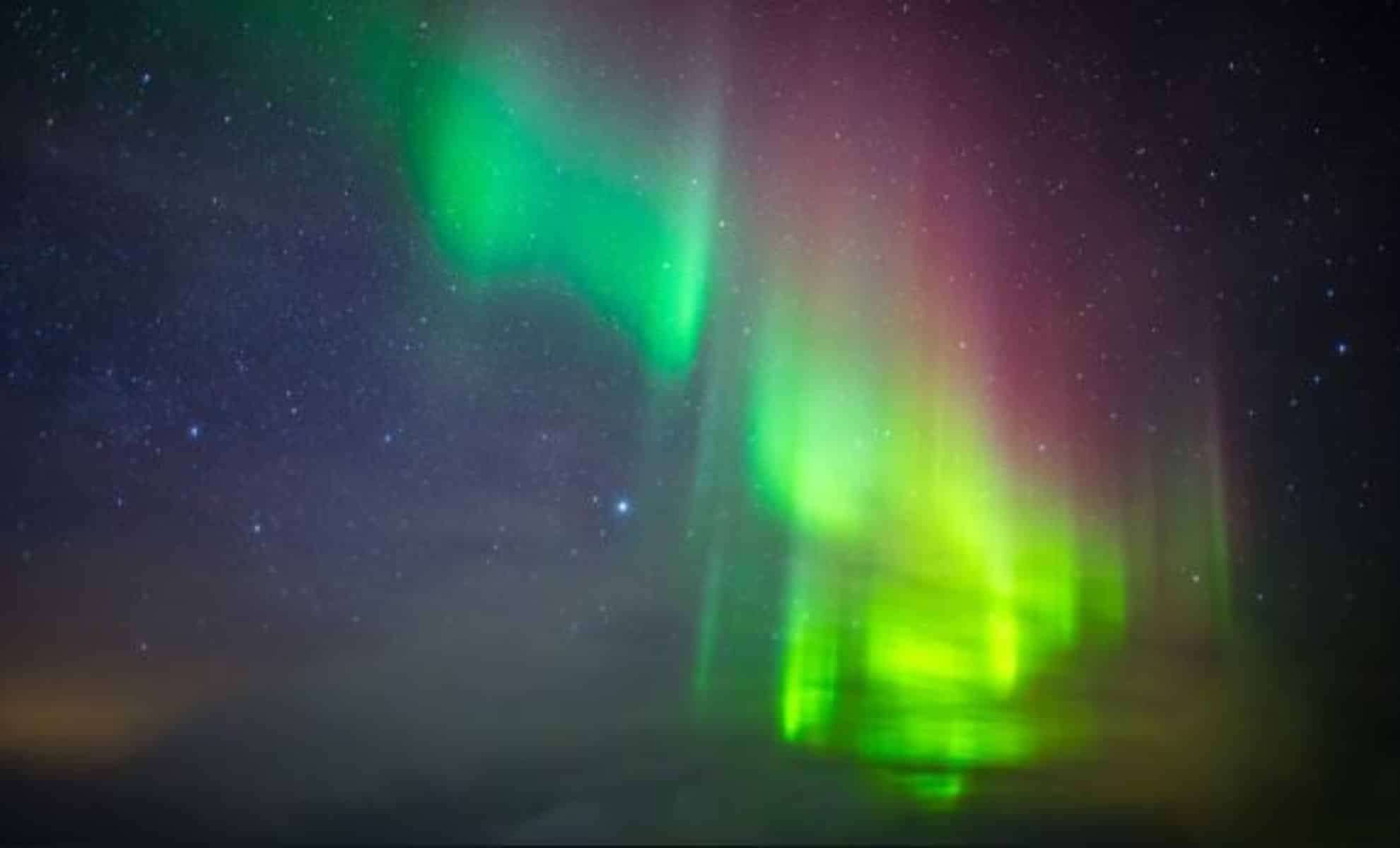
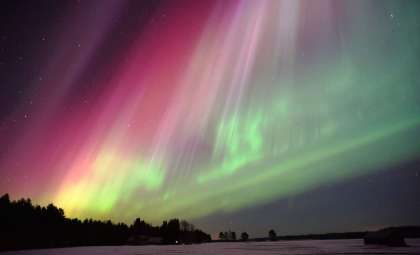
During this Thanksgiving week, many across the United States might be treated to an extraordinary spectacle as the Northern Lights brighten the night sky. Typically confined to high-latitude locations like Alaska and northern Canada, these mesmerizing auroras could extend to more southern areas due to an ongoing geomagnetic storm fueled by recent solar activity. This dazzling natural light display arises when solar wind particles collide with Earth’s magnetic field, igniting radiant colors overhead. Intensifying geomagnetic storms significantly enhance the likelihood of catching this breathtaking phenomena, granting stargazers a rare chance to witness the northern lights in regions less accustomed to their glow. Here’s a complete guide on when and where to spot them, what triggers the auroras, and tips to fully enjoy this cosmic event.
Understanding the Origin of the Geomagnetic Disturbance
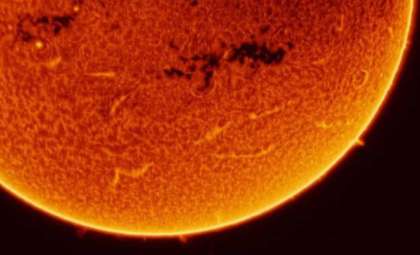
The present geomagnetic storm stems from a coronal mass ejection (CME), a powerful burst of charged solar particles expelled from the Sun’s outer atmosphere. These energetic particles travel through space and interact with Earth’s magnetic shield, instigating the spectacular auroral displays. This CME was launched following a notable solar flare that erupted on Monday, November 25. Space agencies like NASA and NOAA have been vigilantly tracking its progress. Forecasts from the NOAA Space Weather Prediction Center predict that the storm will reach Earth’s magnetosphere around Thursday, November 28, extending into Friday, November 29.
This event is particularly exciting for observers far south of the usual aurora zones. The peak activity is anticipated on November 29, but skywatchers will have a two-night window to appreciate the spectacle as the charged particles bombard Earth with maximum intensity.

Prime Locations to Experience the Aurora Borealis
Those hoping to catch a glimpse of the Northern Lights this week can find great vantage points across North America. The surge of the geomagnetic storm sets the stage for northern U.S. states and Canadian territories to become fantastic spots for viewing.
Maine’s northern areas offer dark skies and minimal artificial light, ideal for aurora hunters. Likewise, Upper Peninsula, Michigan provides excellent viewing opportunities.
In Northern Illinois, rural outskirts of cities such as Chicago might reveal the dancing lights, contingent on the storm’s strength.
In Canada, locations like Yellowknife and Whitehorse are renowned for aurora watching. The Yukon and Northwest Territories also remain top destinations for catching vivid displays of the aurora borealis.
Tips for Optimal Aurora Viewing
Enhance your chances of observing the Northern Lights by regularly consulting aurora forecast sites. Resources such as NASA’s Space Weather Prediction Center and NOAA deliver updated alerts and real-time information to inform your viewing plans.
Selecting a low-light-pollution site, like a remote park or open countryside, is vital. Heading farther north improves the likelihood of seeing the spectacle, but transparent, cloud-free skies are equally important, so check weather reports before venturing out.
Plan to be outside early in the evening; the auroras tend to peak between 9 PM and midnight but may last well into the night. Bundle up warmly, as temperatures can drop sharply in northern areas during this season.
If photography is your goal, bring a tripod and a wide-angle lens. Using long exposures will capture the vivid colors and flowing light patterns that characterize this extraordinary natural show.
- Categories:
- News





0 comments
Sign in to Comment