
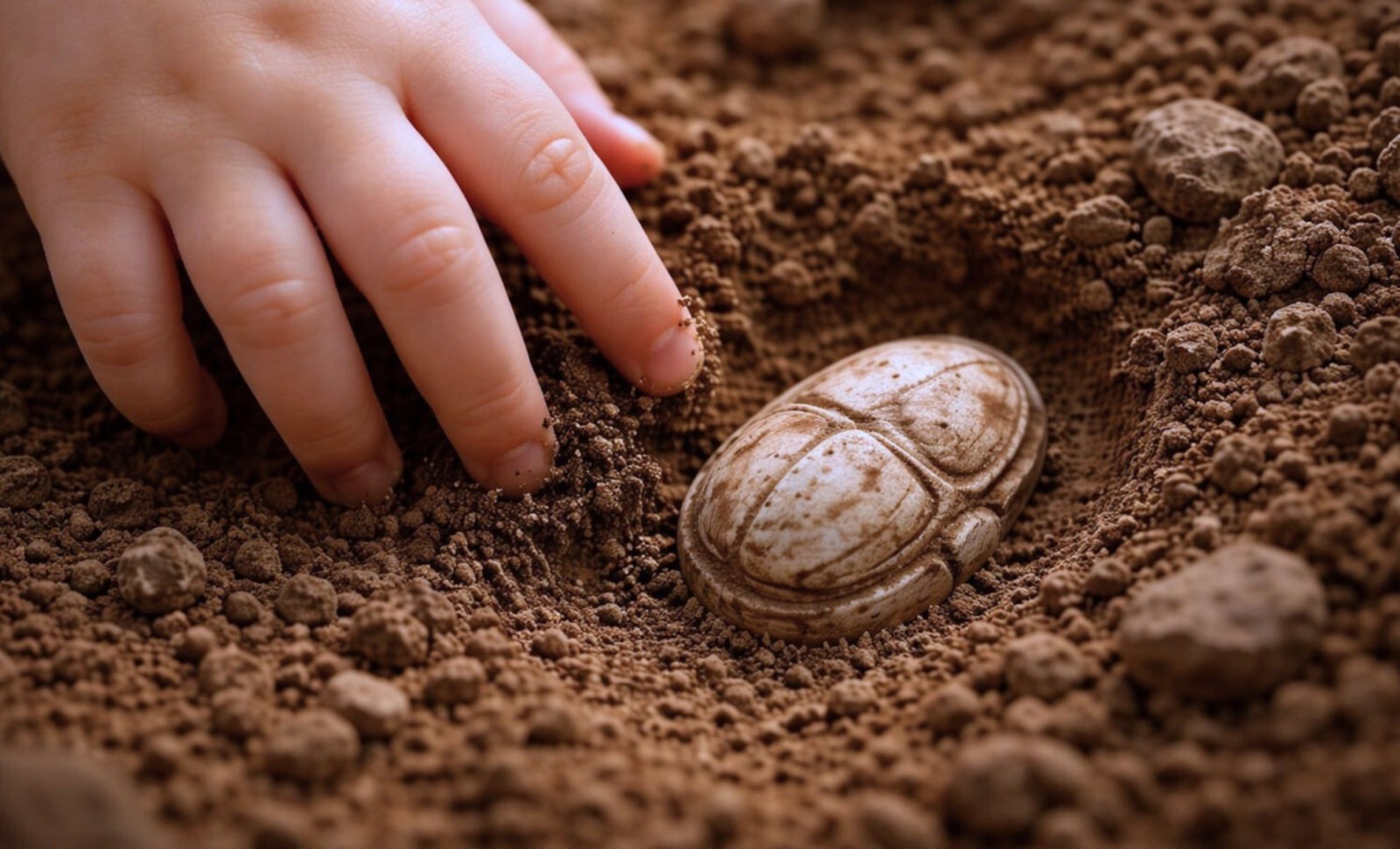
In January 2026, authorities in Israel announced the discovery of a remarkable artifact dating back almost 3,800 years to the Middle Bronze Age. This latest find sheds new light on the interaction between ancient Egypt and Canaan in the region now known as central Israel.
The object was noticed not by archaeologists but during a casual family outing to a popular historical site located southwest of Jerusalem. Without any excavation equipment or specialized knowledge, the find quickly became part of the official state collection and is slated to be showcased in a forthcoming national exhibition.
Experts have affirmed the artifact's genuineness and its significance in understanding the cultural exchanges in the southern Levant during the second millennium BCE.

Toddler Discovers Ancient Egyptian Artifact
The Israel Antiquities Authority (IAA) shared that a three-year-old named Ziv picked up a strangely shaped object while exploring Tel Azekah with her family toward the end of 2025. Her brother, Omer, described the moment: “She stooped to pick it up. Once the sand was brushed away, we realized it was something extraordinary. I called our parents to take a look, and we knew we had found something precious.”
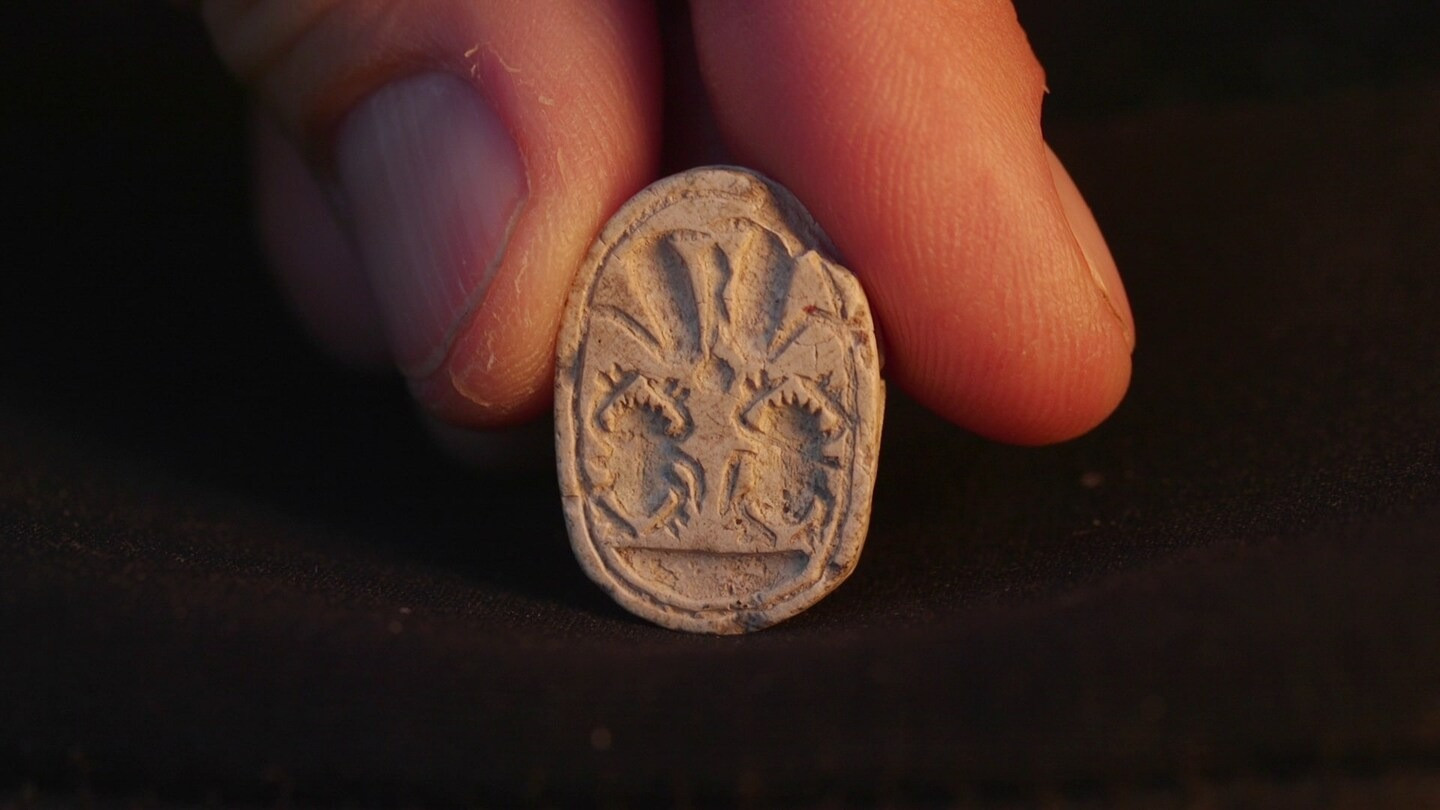
After alerting the IAA, professionals determined the object to be a Canaanite scarab amulet shaped like a dung beetle, a revered symbol in ancient Egyptian culture representing renewal and royal authority. This seal dates back to around 1800–1600 BCE, within the Middle Bronze Age.
These scarabs served important roles in ceremonies and administration, commonly uncovered in tombs, residences, and official sites across ancient Egypt and its territories. Finding one incidentally on a public path at Tel Azekah is especially noteworthy.
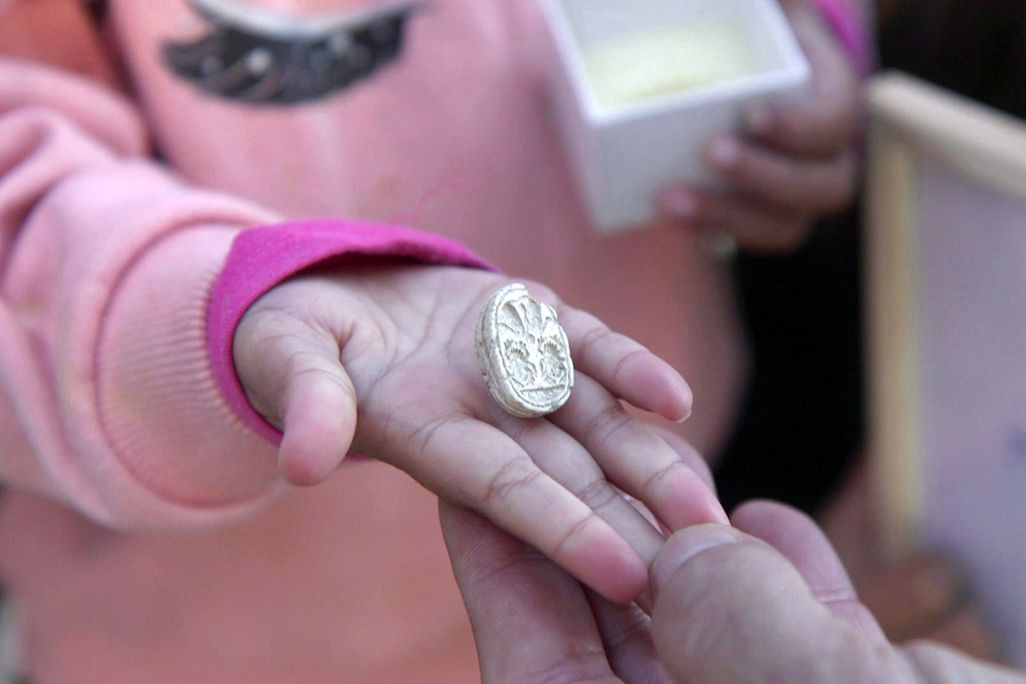
IAA Director Eli Escusido remarked, “Thanks to her, this remarkable piece will be shared and appreciated by all. Our upcoming exhibition will feature stunning artifacts like Pharaonic seals, Egyptian sculptures, ritual vessels, and other evidence of Egyptian cultural presence in Israel.”
Tel Azekah: Beyond Its Legendary Tales
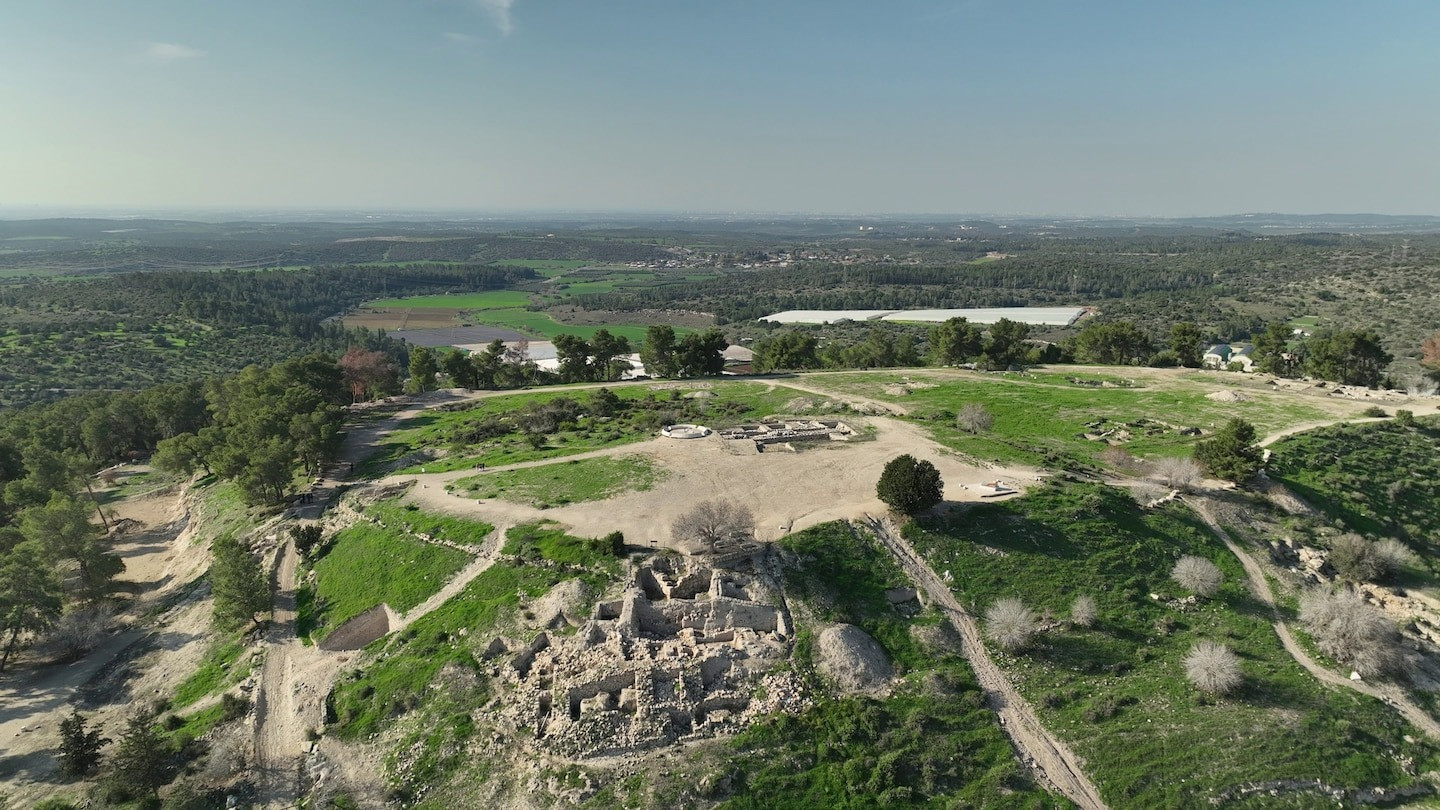
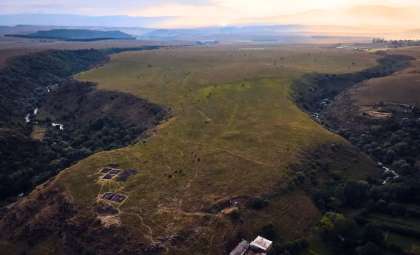
Situated roughly 30 kilometers from Jerusalem, Tel Azekah has been a focal point for archaeological digs for over a decade. Mentioned in biblical texts and traditionally identified as the battleground of David and Goliath, the site has yielded layers of continuous habitation excavated by teams from Tel Aviv University and the IAA.
Leading the excavation, Professor Oded Lipschits explained, “Nearly 15 years of archaeological work reveal that during the Middle and Late Bronze Age, Tel Azekah was one of the key urban centers in the Judean Lowlands.”
This recent scarab enriches the collection of Egyptian-affiliated artifacts from the site, which already includes ritual vessels, Pharaonic-style seals, and Egyptian statues. These finds collectively demonstrate the deep connections between Egyptian and Canaanite cultures in the second millennium BCE.
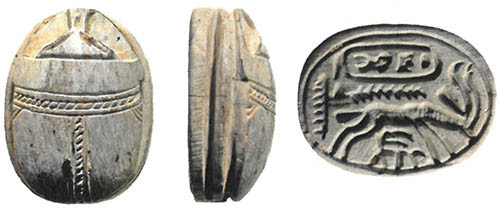
Artifacts like these provide invaluable insights when their origin can be traced via inscriptions or craftsmanship techniques. While further details about the scarab’s interior design remain unreleased, it is noted for its excellent preservation and exhibition readiness.
From Personal Find to Public Heritage
Israeli laws decree that all antiquities uncovered domestically belong to the state. Discoverers are required to report such objects to the IAA and not remove them without authorization. The family handling the scarab discovery adhered strictly to these rules.
Officials commended the family’s prompt notification, stressing the importance of safeguarding archaeological contexts. Despite the scarab not being excavated in its original layer, its inclusion in the national archive guarantees future study and public display.
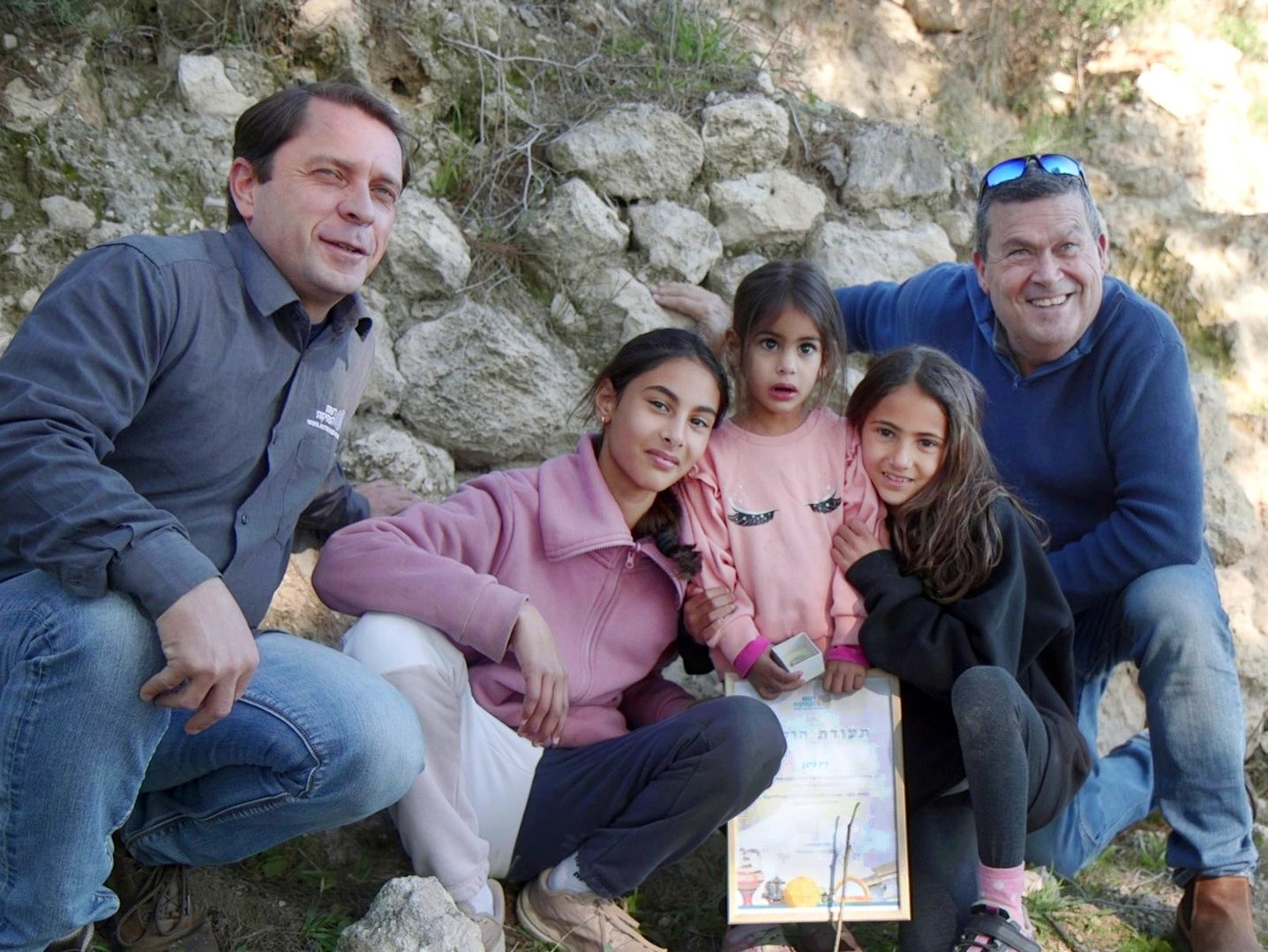
Escusido confirmed the seal will be part of a 2026 exhibit focused on Egyptian cultural impacts in Bronze Age Canaan. The show will present seals, ritual implements, and statues gathered from numerous sites within the Judean Lowlands.
Discoveries like this highlight the ongoing need to educate the public about archaeological responsibility. The IAA continues urging visitors to report unusual findings and refrain from removing heritage items from protected locations.
Uncovering Hidden Histories
The scarab's unexpected appearance has led archaeologists to reexamine surface layers at Tel Azekah. Despite extensive excavations, finding a well-preserved piece on a walking trail implies that erosion or incomplete surveys might have exposed additional undiscovered artifacts.
The IAA has yet to announce any immediate plans for further digs near the discovery site. There is no current evidence suggesting the scarab belonged to a larger burial or cache.
In Canaan, Middle Bronze Age scarabs often symbolize elite status or diplomatic connections. Scholars debate whether they represent direct Egyptian political presence or local creations inspired by Egyptian motifs.
Future research will likely focus on the scarab’s material makeup and any inscriptions to determine whether it was imported from Egypt or locally produced under Egyptian influence.
- Categories:
- News







0 comments
Sign in to Comment