
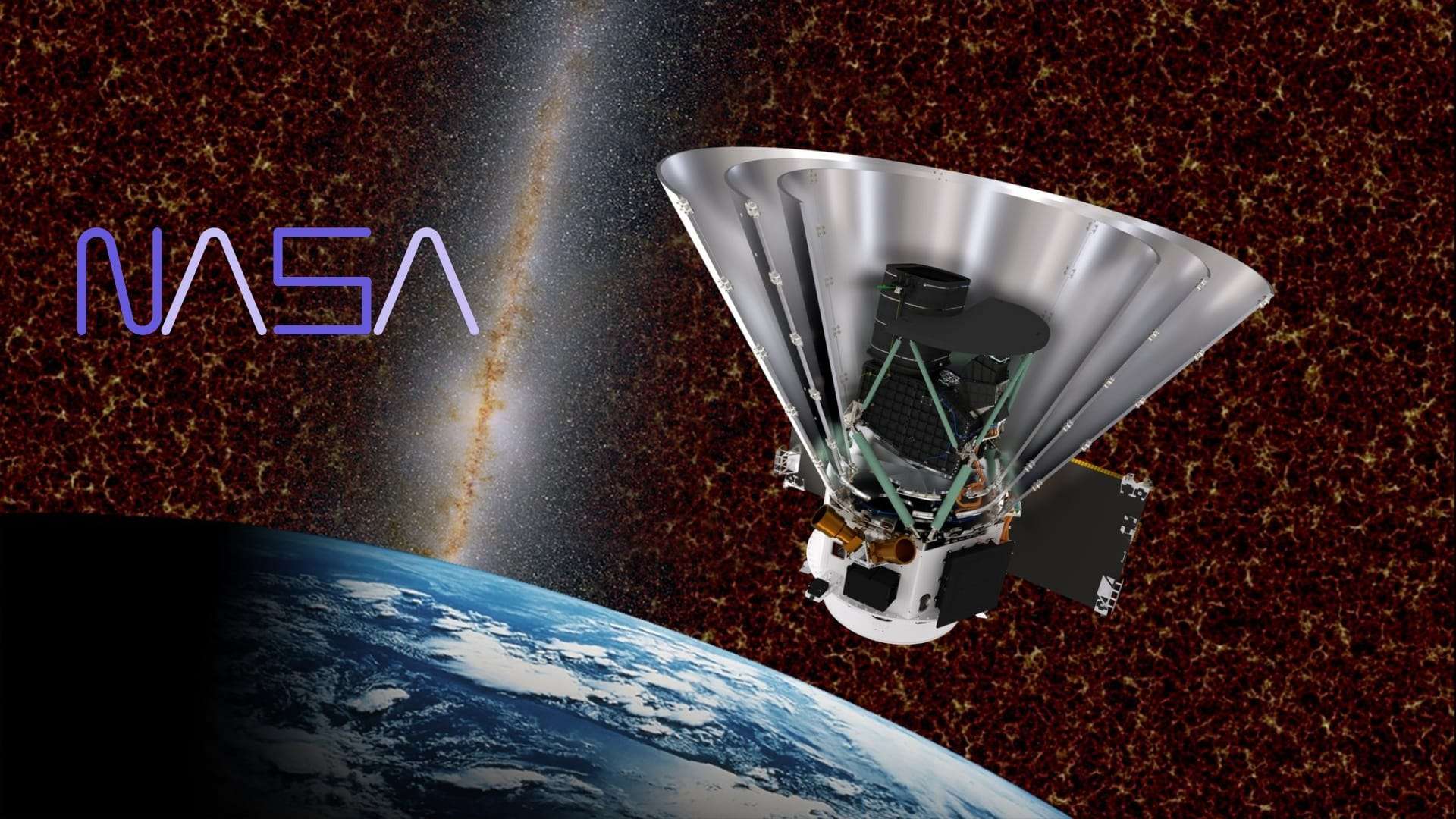
NASA is set to launch SPHEREx (Spectro-Photometer for the History of the Universe, Epoch of Reionization, and Ices Explorer), a groundbreaking space observatory aimed at transforming our perception of the cosmos. The mission is slated for takeoff on February 27, 2025, from Vandenberg Space Force Base in California, and will perform a comprehensive sky survey using 102 infrared wavelengths.
This innovative telescope will uncover vital information about the universe’s beginnings, the growth of galaxies, and the chemical components essential for life within our Milky Way. Here are five essential points about this transformative mission.
1. Probing the Origins of the Universe with SPHEREx
A primary objective of SPHEREx is to investigate the phenomenon of cosmic inflation, which occurred moments after the Big Bang nearly 14 billion years ago. This rapid expansion drastically shaped the large-scale framework of the universe seen today. The fingerprints of this inflationary epoch are embedded within the spatial arrangement of galaxies.

SPHEREx will chart a detailed survey encompassing more than 450 million galaxies to detect distribution patterns. These signatures offer indirect insights into the fundamental physics behind the universe’s explosive growth phase. By evaluating this information, researchers anticipate uncovering new clues about the physical principles governing the universe’s birth, addressing one of cosmology’s most profound questions.
2. Capturing the Universe’s Total Emitted Light
Unlike telescopes such as the Hubble or the James Webb Space Telescope (JWST), which focus on detailed images of individual objects, SPHEREx will quantify the cumulative light from all galaxies, including those too dim to be seen separately. This approach enables scientists to measure the universe’s total energy output through cosmic time.
By studying this background glow, SPHEREx will aid astronomers in reconstructing how galaxies have formed and transformed. Especially valuable for exploring distant early galaxies, this technique effectively allows observations back in time, enhancing our comprehension of galactic evolution on a cosmic scale.
3. Investigating Origins of Life’s Essential Molecules
SPHEREx will not only explore faraway galaxies but will also focus on our home galaxy, the Milky Way, searching for molecular precursors vital for life. Important substances like water (H₂O), carbon dioxide (CO₂), and complex organic molecules are present in the cold interstellar clouds where stars and planets form. These molecules crystallize onto dust grains, creating icy layers that contribute to planetary and comet composition.
Mapping these icy regions, SPHEREx will enhance knowledge of how these life-supporting molecules are dispersed throughout our galaxy. Understanding chemical environments in star-forming zones could reveal whether life-friendly conditions might be widespread beyond Earth. The prevalence of these molecules in stellar nurseries could hint at the potential for habitability elsewhere.
4. Enhancing Observations Alongside Other Telescopes
SPHEREx is crafted to complement, not replace, other major observatories. While instruments like Hubble, JWST, and ground-based telescopes specialize in detailed views of select cosmic targets, SPHEREx will provide an expansive all-sky examination. The vast dataset it gathers will guide more focused, future studies.
For example, if SPHEREx identifies unusual molecular concentrations near a newborn star, telescopes such as JWST can perform detailed follow-ups. Similarly, unexpected patterns in infrared light found by SPHEREx can prompt further investigation via other observatories. This synergy ensures SPHEREx’s pivotal role in steering upcoming astronomical research.
5. Delivering the Most Complete Infrared Sky Map Ever
SPHEREx will produce the most comprehensive all-sky survey in infrared to date, capturing data across 102 distinct infrared hues. This unparalleled map will provide astronomers with rich data to analyze, revealing the composition and ages of stars, galaxies, and interstellar matter through their color and brightness variations.
Besides advancing our scientific understanding, this survey is expected to uncover unforeseen cosmic phenomena. Large-scale infrared maps often lead to the discovery of unknown objects or structures, opening new avenues for exploration. The information gathered by SPHEREx will serve as a valuable scientific asset for many years to come, enriching future missions and expanding our knowledge of the universe.
- Categories:
- News












0 comments
Sign in to Comment