

Leonardo da Vinci’s brilliance has fascinated scholars and enthusiasts for generations. Celebrated for his extraordinary artworks and pioneering scientific insights, his personal ancestry has remained largely enigmatic—until now. A comprehensive genetic investigation has unraveled remarkable details about the famed Renaissance master’s lineage, revealing fascinating new insights into his family history.
Breaking New Ground in Genetic Research
In May 2025, historians Alessandro Vezzosi and Agnese Sabato shared the results of more than thirty years of genealogical study in their book, Genìa da Vinci. Genealogy and Genetics for Leonardo’s DNA. Their comprehensive research reconstructs an extensive family tree covering 21 generations of the Da Vinci family, from 1331 through modern times. The project documents over 400 individuals and identifies 15 direct male-line descendants of Leonardo.
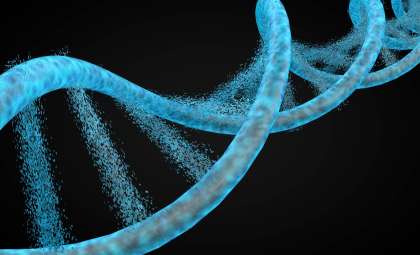
Beginning in 2016, the Leonardo da Vinci DNA initiative aimed to shed light on the genetic foundations of Leonardo’s exceptional abilities by focusing on the Y chromosome, which passes from father to son. Although Leonardo left no known offspring, examining this chromosome via his male relatives provided a genetic linkage to his ancestors.

Validating Lineage and Discovering New Bonds
The combined genealogical and DNA evidence confirms an unbroken male-line descent from Leonardo’s father, Piero da Vinci. Analysis of male relatives, including descendants of his half-brother Domenico Benedetto, revealed six individuals sharing identical Y chromosome markers, solidifying the family’s genetic continuity. The study also traced connections to extended kin who likely influenced Leonardo’s heritage.
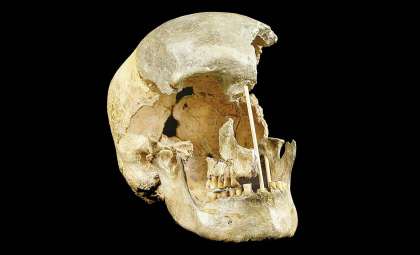
Notably, researchers identified a family burial site within Santa Croce Church in Vinci, Italy. Excavations led by anthropologists from the University of Florence have recovered bone fragments potentially linked to Leonardo’s kin. Early tests suggest these remains belong to a male, opening possibilities for reconstructing elements of Leonardo’s own genome.
Searching for Leonardo’s Genetic Traces
Beyond tomb investigations, scientists are examining ancient artworks and documents for biological material potentially left by Leonardo himself. Jesse H. Ausubel, who directs the project at Rockefeller University, highlights the possibility that traces from fingerprints on manuscripts might yield valuable DNA samples. This innovative method could transform the authentication of Leonardo’s oeuvre and reveal details about his physical traits.
Research also includes paleogenomic analysis on remains retrieved from Vinci’s burial sites. Successfully matching this DNA to living descendants would confirm the family lineage and could unravel previously unknown aspects of Leonardo’s health and life circumstances, including insights into his cause of death. The ambitious goal is to use advanced genetic tools to piece together a holistic genetic portrait of this Renaissance icon.
Piecing Together the Da Vinci Family Story
The ongoing Leonardo da Vinci DNA Project continues to shed light on his familial background. Researchers have located seven historical residences belonging to the Da Vinci lineage within Vinci village, including properties personally linked to Leonardo. An intriguing charcoal sketch of a "Unicorn Dragon" found on a fireplace mantle in Vinci shares stylistic elements with Leonardo’s known artwork and may expand our understanding of his creative scope.
Moreover, the investigation has revealed clues about Leonardo’s mother, a figure long cloaked in mystery. Historical records suggest she might have been an Oriental slave named Caterina, who served a prosperous Florentine banker. This insight, drawn from wills and donation documents dated 1449, offers a fresh perspective on Leonardo’s early family environment.
Beyond scientific discovery, the ongoing exploration of Leonardo da Vinci’s genetic heritage represents a profound cultural rediscovery. By bridging past and present, this research enriches our grasp of the legacy of one of history’s most extraordinary minds.
- Categories:
- News





0 comments
Sign in to Comment