
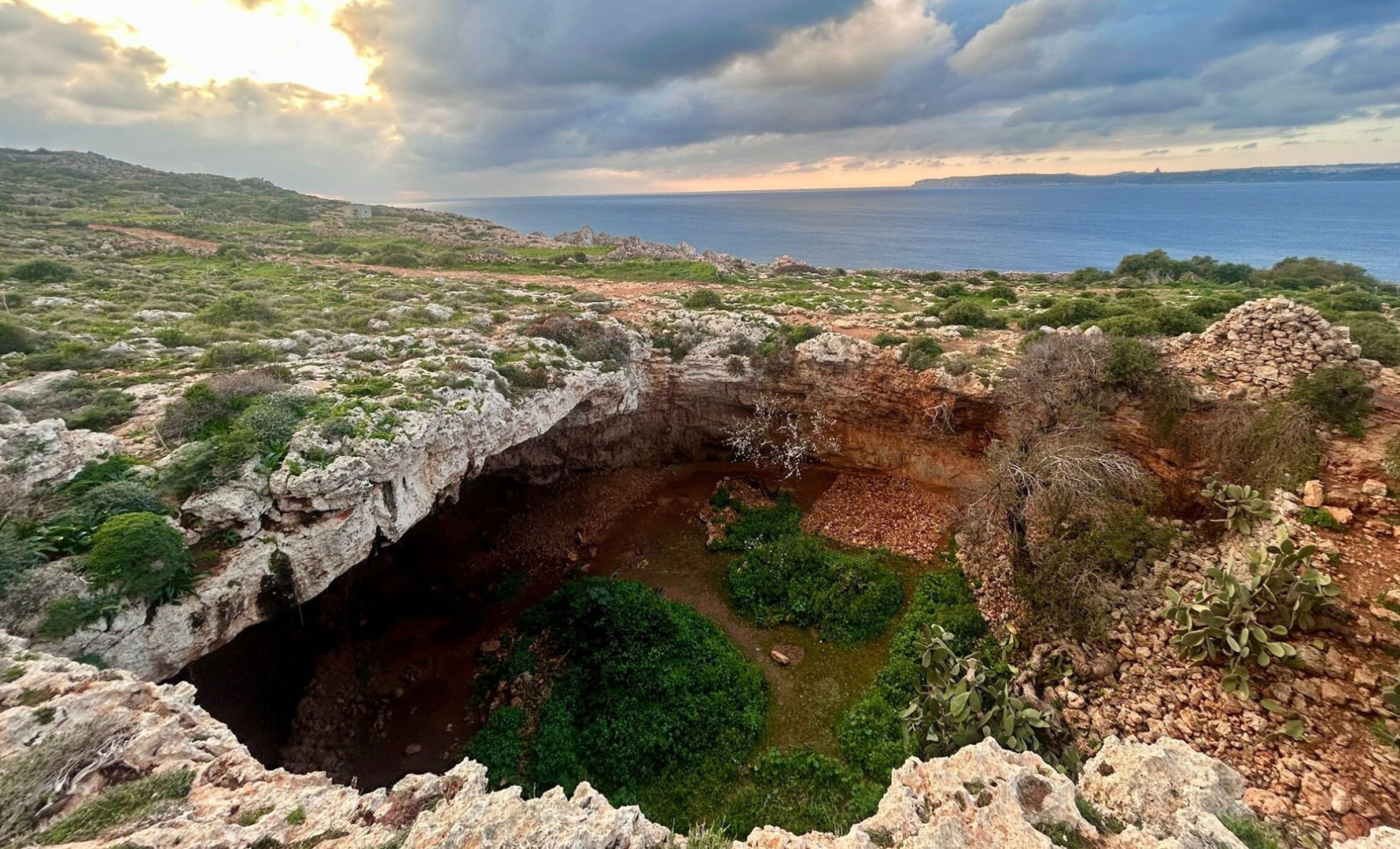
Millennia before the invention of sails, navigational charts, or compasses, ancient hunter-gatherer groups seemingly braved the open waters of the Mediterranean to settle in Malta about 8,500 years ago. A recent report published in Nature reveals this discovery extends the island’s human timeline by nearly a millennium, challenging previous assumptions about early maritime voyages.
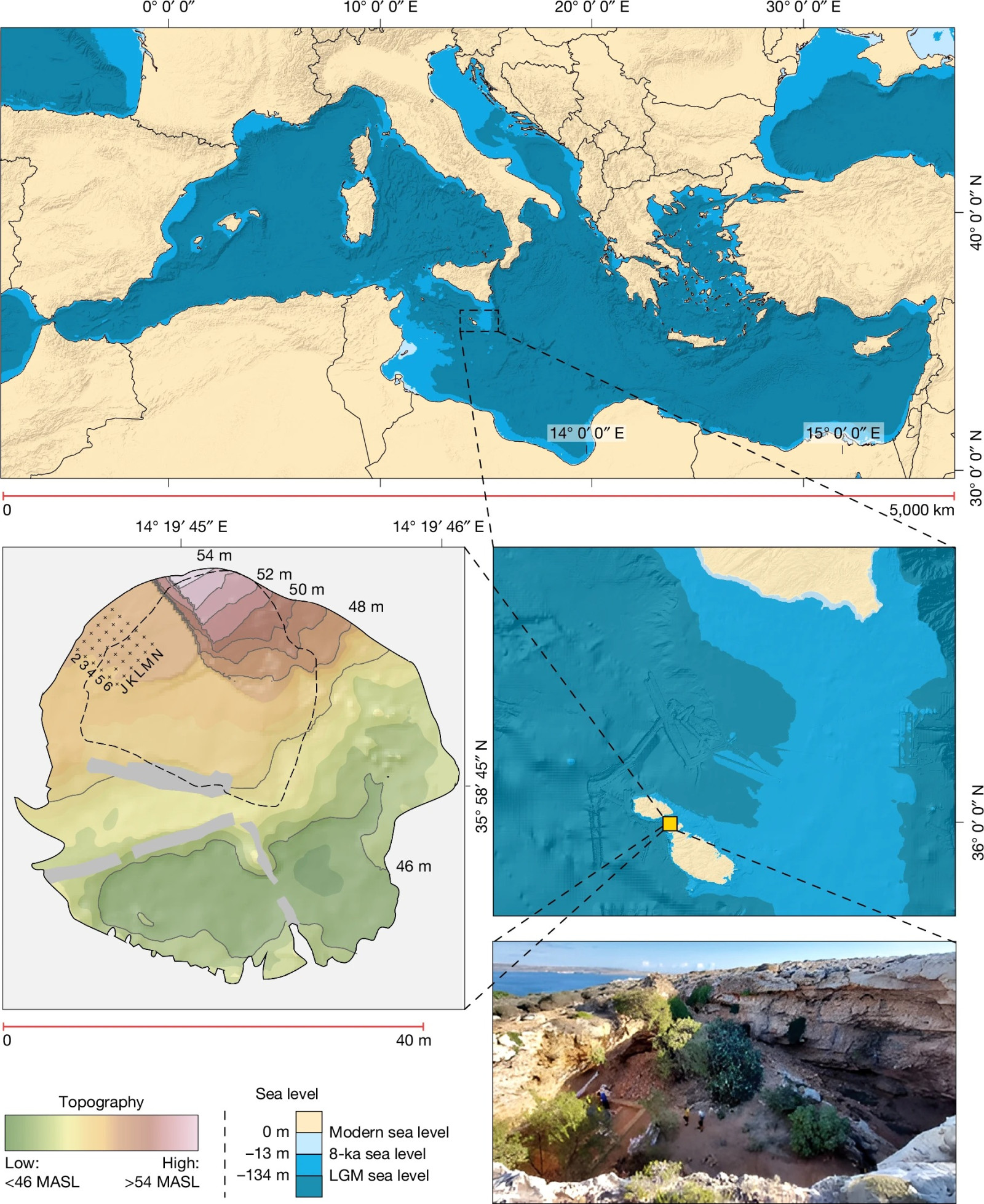
The breakthrough emerged from archaeological digs inside Latnija Cave on Malta’s northern coast. Teams from the Max Planck Institute of Geoanthropology and the University of Malta unearthed artifacts signaling repeated human presence long predating the onset of agriculture on the island.
Conventional wisdom held that Mesolithic hunter-gatherers couldn’t have easily reached remote islands like Malta. After all, the nearest major landmass, Sicily, lies over 60 miles away across open sea, making such a trip without advanced boating seem improbable. Yet, the latest findings tell a fresh story.

Latnija Cave Alters Malta’s Archaeological Chronology
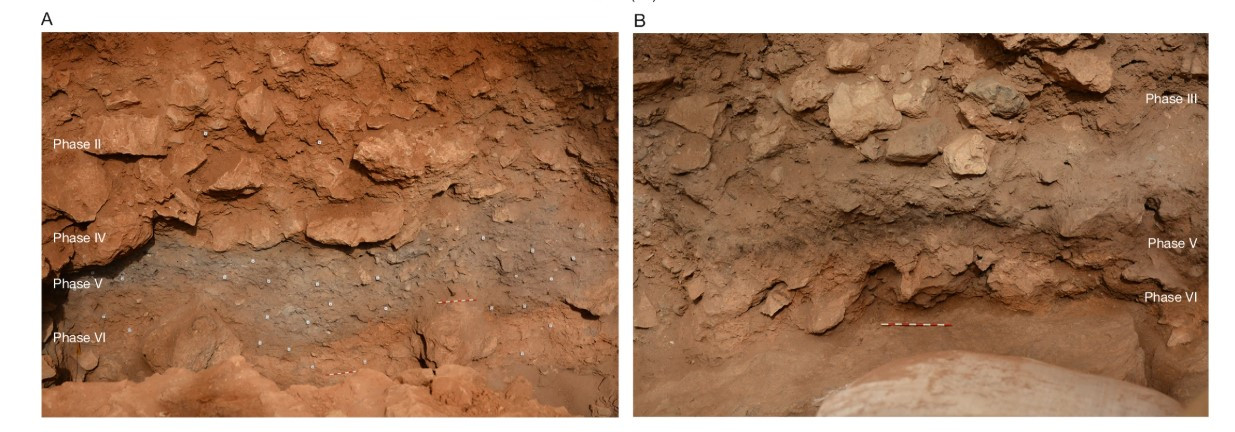
Excavations at Latnija Cave in Mellieħa revealed stratified layers of sediment packed with fascinating remnants: fire pits, chipped stones, dense ash deposits, and abundant faunal remains.
The presence of hearths was particularly significant, demonstrating that early humans didn’t just pass through but camped and cooked regularly at the site.
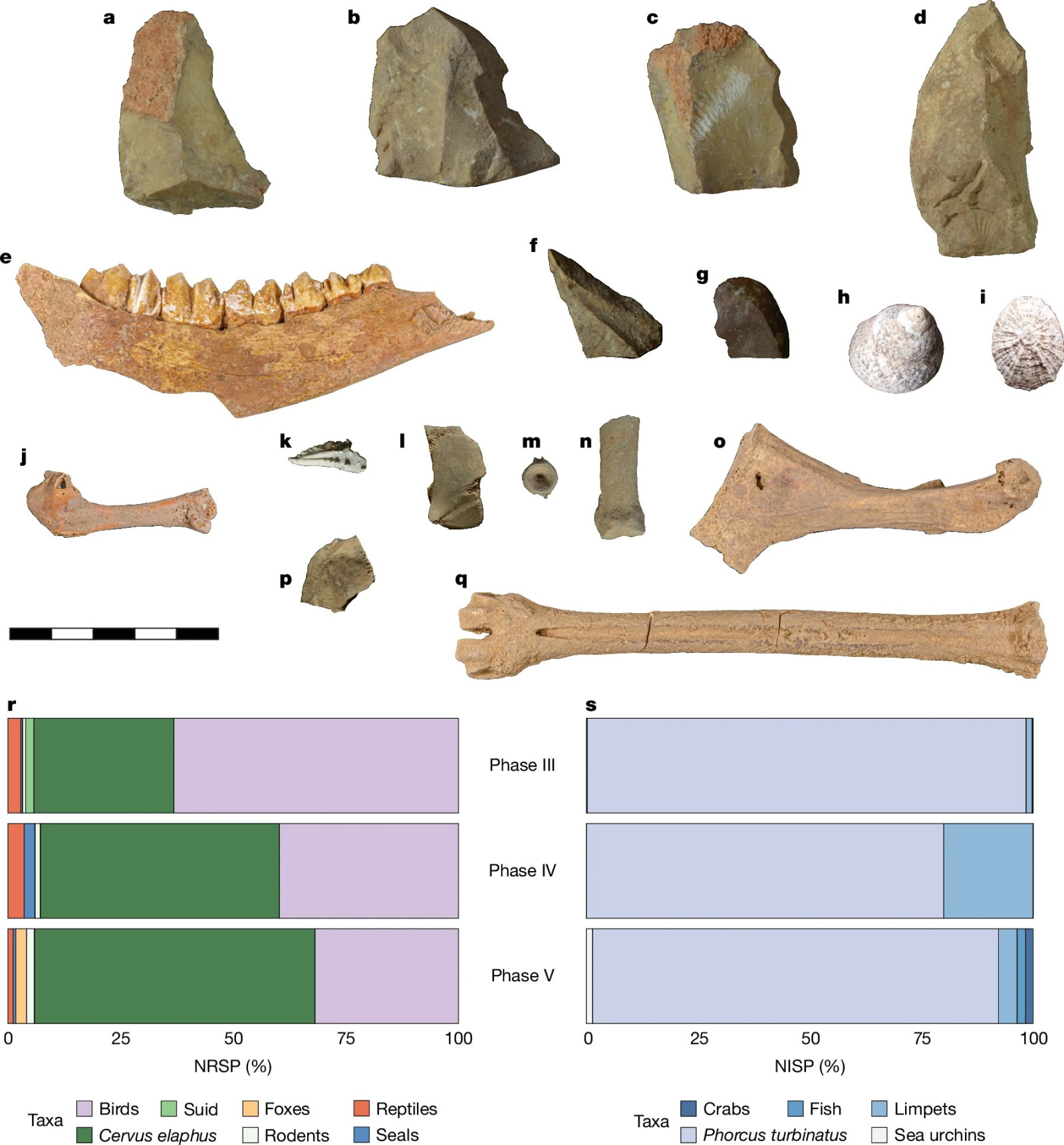
Professor Eleanor Scerri, leading the research, remarked on the volume of finds: “Thousands of animal bones, many showing signs of burning.” Nearly 25% of these remains were charred, robust evidence for on-site food preparation within the cave.
Prior to this research, the earliest inhabitants of Malta were thought to be Neolithic agriculturalists. This new evidence places hunter-gatherers firmly on the island much earlier.
Diverse Diets from Land and Sea Resources
The animal remains discovered reveal an intricate picture of their diet. Remnants included bones and shells from red deer, tortoises, bird species, various fish, seals, crabs, sea urchins, and an abundance of edible sea snails. Several of these species no longer inhabit Malta today. James Blinkhorn, a co-author, explained:
“We found remains of seal, various fish, including grouper, and thousands of edible marine gastropods, crabs and sea urchins, all indisputably cooked.” And burned shells and bones scattered throughout the cave supported that conclusion.
The evidence also reveals the adaptability of these groups, who leveraged both oceanic and terrestrial food supplies to thrive on a resource-constrained island. These were not farming settlers carrying domesticated crops or livestock, but hunter-gatherers reliant on foraging, fishing, and hunting wild game.
A New Perspective on Early Mediterranean Seafaring
This discovery prompts fresh questions about how interconnected early Mediterranean populations were. Islands like Malta were previously deemed isolated and inaccessible until agricultural societies with improved technology arrived. Now, Malta is recognized as far more reachable than once believed.
Professor Nicholas Vella of the University of Malta highlighted that the journey from Sicily likely involved “several hours of darkness in open water.” Traveling at about 2.5 miles per hour, the passage would have taken significant time.
The research implies that these early communities possessed practical maritime skills long before the Mediterranean’s later seafaring civilizations. They probably relied on environmental knowledge and experience rather than sophisticated navigation instruments.
In a January 2026 correction, the authors updated parts of their radiocarbon dating framework, though the adjustment did not alter the central finding of hunter-gatherers arriving prior to Malta’s farming settlers.
“The results add a thousand years to Maltese prehistory and force a re-evaluation of the seafaring abilities of Europe’s last hunter-gatherers, as well as their connections and ecosystem impacts,” Professor Scerri added.
- Categories:
- Science







0 comments
Sign in to Comment