
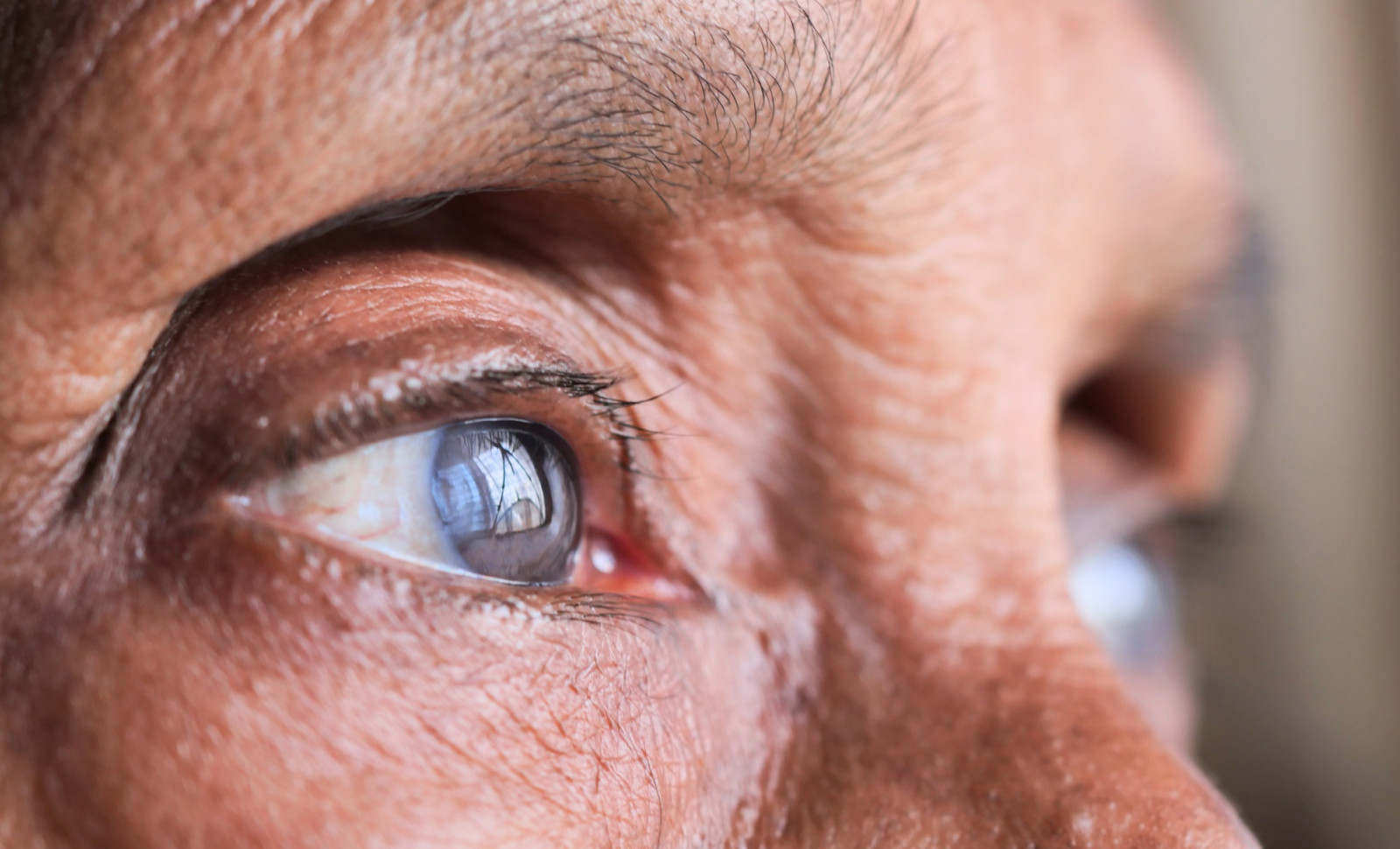
During eye exams, questions about smoking history have taken on increased significance. This information helps eye care professionals decide if a specific vitamin formulation can safeguard remaining vision or if it might unintentionally elevate cancer risk.
This dilemma lies at the heart of the Age-Related Eye Disease Studies (AREDS), government-backed clinical trials that transformed how doctors approach age-related macular degeneration (AMD), the top cause of permanent vision loss among seniors in the U.S. These studies developed a potent nutrient blend shown to reduce AMD progression by about 25 percent, but they also revealed safety concerns, prompting changes to the formula.
Not Just Any Vitamin Supplement
When specialists mention eye-specific supplementation, they don’t mean typical over-the-counter multivitamins but a carefully designed, high-dose blend tested in thousands of individuals over many years. The AREDS trials highlighted how nutrient levels unattainable through diet alone can effectively slow vision decline toward blindness.

The National Eye Institute explains that these supplements deliver pharmacological doses beyond typical dietary intake. Most participants also took standard multivitamins, yet the AREDS formula offered additional protective effects.

Ophthalmologist Dr. Marcela Fruttero told El Litoral on April 29 that ocular supplementation has become critically important in eye care. She pointed to research underpinning targeted nutrient recommendations instead of leaving patients to make uninformed choices.
The Removed Component: Beta-Carotene
The initial AREDS formula included beta-carotene, but previous cancer prevention studies linked it to an increased lung cancer risk particularly in smokers. When AREDS2 began in 2006, led by Dr. Emily Chew, current smokers were excluded from the beta-carotene version. However, former smokers still faced risks: 2 percent of participants using beta-carotene developed lung cancer versus 0.9 percent who didn't, with 91 percent of those diagnosed having quit smoking before the trial.
This evidence led researchers to eliminate beta-carotene from the supplement.
The safer alternatives, lutein and zeaxanthin, are carotenoids naturally concentrated in the retina. Unlike beta-carotene, which converts to vitamin A without reaching the eye, these pigments accumulate in the macula—the critical region responsible for reading, recognizing faces, and other detailed visual tasks.

Dr. Fruttero explained to the Argentine media that these carotenoids work specifically in the macula, where cells endure persistent oxidative stress due to high metabolic demands, generating free radicals that gradually damage vision-sensitive tissues over time.
Key Ingredients in the Supplement
The current standard AREDS2 supplement composition is documented on ClinicalTrials.gov, delivering 10 mg lutein, 2 mg zeaxanthin, 500 mg vitamin C, 400 IU vitamin E, 80 mg zinc, and 2 mg copper. Study results showed an 18 percent reduction in progression to late-stage AMD among users compared to the original beta-carotene formula.
Fruttero emphasized other nutrients that support eye health, such as zinc, copper, and selenium, which act as cofactors, as well as components like polyphenols and omega-3 fatty acids that enhance mitochondrial function. Although not included in the core AREDS2 mix, these supplements may be considered for personalized patient care.
A participant’s baseline diet also matters. Those with the lowest intake of lutein and zeaxanthin, often from poor consumption of leafy greens, gained the most benefit, with a 26 percent risk reduction for advanced AMD when using the carotenoid-enhanced formula.
Targeted Treatment, Not One-Size-Fits-All
The AREDS trials focused on specific patient groups, indicating these supplements are not general eye vitamins.
The NEI clarifies that benefits did not extend to individuals with early AMD or without AMD. Use is recommended for people with intermediate AMD in one or both eyes, or advanced AMD affecting a single eye. Outside these groups, the supplements offer no more advantages than basic multivitamins.
This precise application contrasts with how products are marketed. Both the NEI and the American Academy of Ophthalmology highlight the necessity of medical guidance before starting supplementation.
Dr. Fruttero echoed this, stressing that supplementation must be tailored like a custom-fitted suit. For example, intermediate AMD patients may need the entire AREDS2 formula; those with dry eye might benefit more from omega-3s, and individuals exposed to prolonged screen time could require lutein and zeaxanthin to combat eye strain.
“Sleep, nutrition, lifestyle habits, and supplements can influence gene expression,” Fruttero noted, referencing epigenetics—the dynamic interaction between genetics and environment that can modify disease risk.
The Limits of Genetic Predictions
With genetic testing becoming widespread, some wonder if DNA analysis can forecast AREDS2 efficacy. The NEI states that AMD’s complexity—driven by multiple genes and environmental factors—prevents reliable prediction based on genetics alone.
“Genetic testing does not consistently identify risk,” the institute explains. High-risk individuals may never develop AMD, while those with low-risk genetics might advance to serious stages.
The NEI warns against relying on genetic results to skip routine dilated eye exams, which remain the gold standard for monitoring AMD. The American Academy of Ophthalmology supports this caution as well.
High-dose vitamins also require care. Although 400 IU vitamin E was safe in trials, it can interact with blood thinners. Zinc’s high dose demands copper co-supplementation to prevent anemia. A full medication review is advised before beginning treatment.
- Categories:
- News













0 comments
Sign in to Comment