
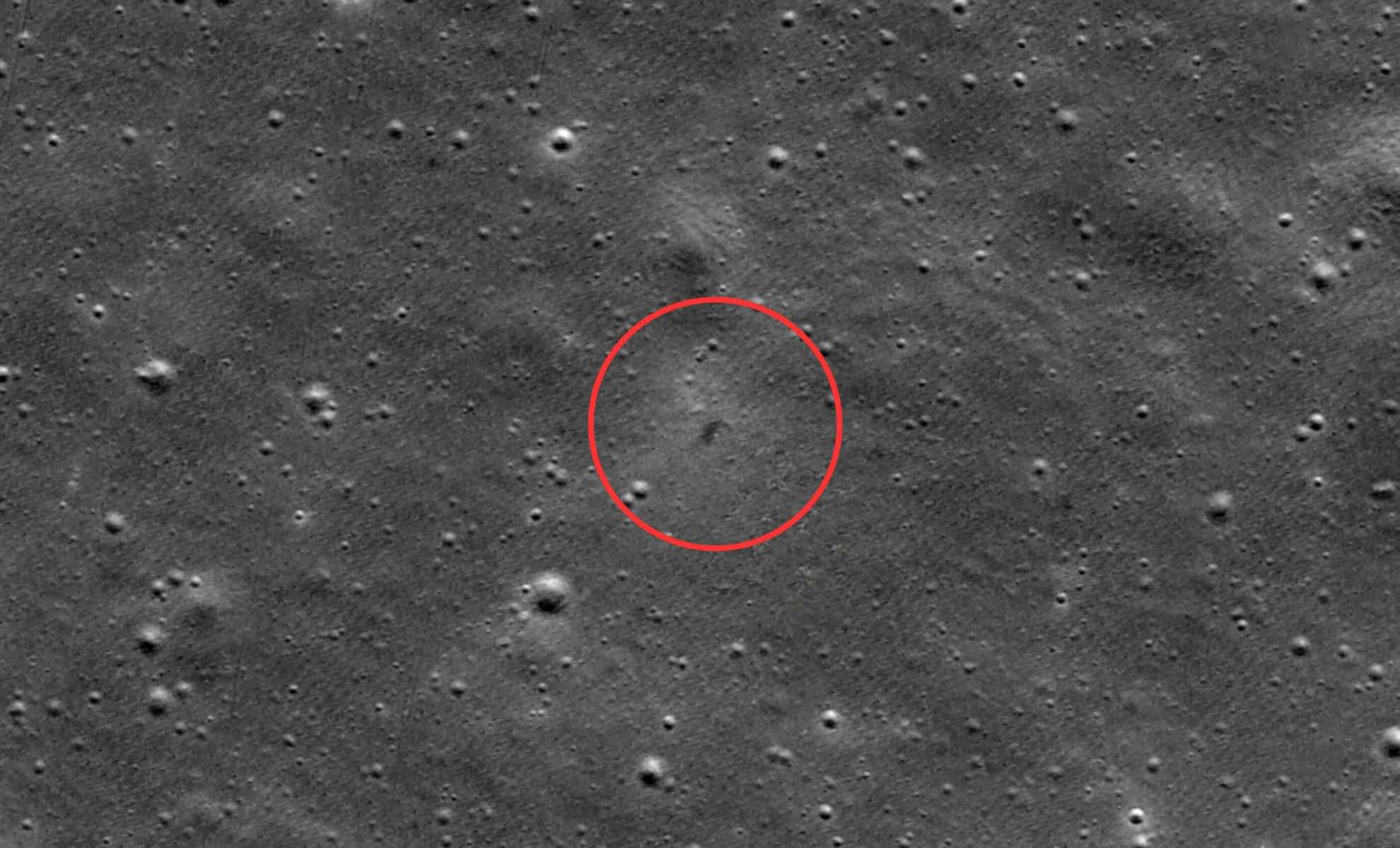
On June 11, the NASA Lunar Reconnaissance Orbiter (LRO) recorded striking images of the Hakuto-R Mission 2 crash site on the Moon, exposing fresh disturbances on the lunar surface. NASA’s published photos confirm that the RESILIENCE lander by ispace, a privately operated Japanese lunar project, impacted the Mare Frigoris area—a volcanic plain known for its unique geology. This represents ispace’s second failed attempt at a controlled Moon landing.
RESILIENCE Mission Meets Rough Landing
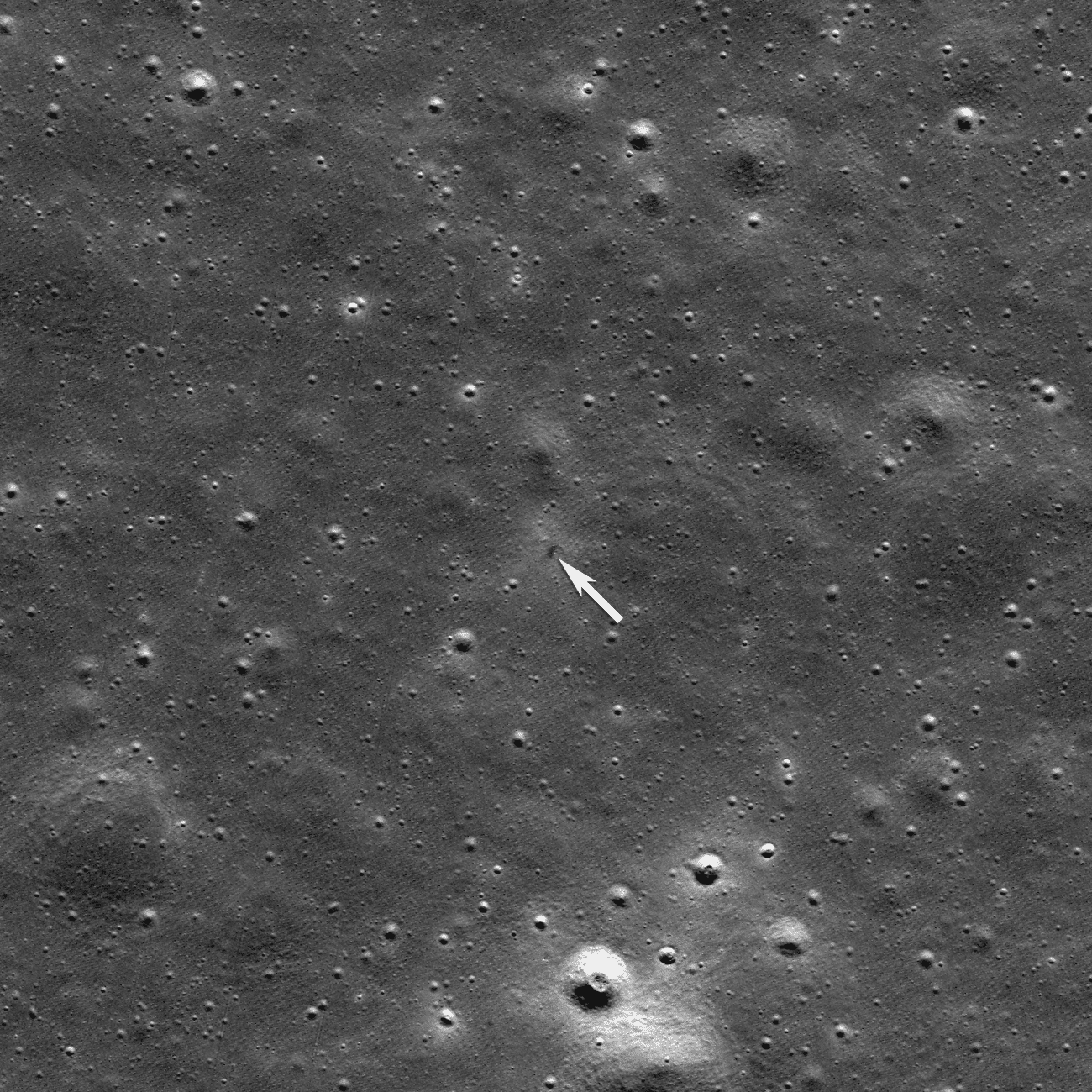
The SMBC x Hakuto-R lunar lander, known as RESILIENCE, was launched on January 15, 2025 aboard a privately financed vehicle, aiming to advance commercial activities on the Moon. Contrary to expectations, the lander endured a hard impact on June 5, falling short of its intended landing zone. From an altitude of 50 miles, NASA’s LRO Narrow Angle Camera captured the aftermath, showing a distinct darkened smudge marking the collision site.
The imagery reveals a pronounced dark spot encircled by a brighter halo, created by the displacement of lunar dust and debris blown outward during the crash. The pattern and extent of the ejected material indicate a high-speed impact, providing valuable evidence to better understand impact dynamics on atmosphereless bodies like the Moon.

LRO’s Critical Role in Mapping Lunar Events
Since its 2009 launch, the Lunar Reconnaissance Orbiter has become indispensable for lunar research. Operated by NASA’s Goddard Space Flight Center, it carries seven scientific instruments, including the LROC (Lunar Reconnaissance Orbiter Camera), which has transformed lunar observation. This technology has documented everything from historic Apollo landing sites to recent impact scars, making it a key resource for mission planning.
By capturing the crash location of RESILIENCE, LRO continues to provide objective records that serve both scientific communities and commercial stakeholders. Every new impact enriches our understanding of lunar surface processes and helps calibrate future landing strategies.
Mare Frigoris: An Impact Among Tectonic Features
The strike took place in Mare Frigoris, a flat region north of the Moon’s equator, known for its geological activity. Wrinkle ridges—essentially tectonic faults created by the Moon’s slow cooling—traverse this area. These formations are scientifically significant, and a new crater in this context offers vital data on how recent impacts interact with existing lunar structures.
This crash site’s distinctive darkened area and the surrounding scattered regolith will likely remain visible for many years, providing both a warning and a valuable location for ongoing geophysical study.
Challenges for ispace and Future Lunar Ventures
The recent impact marks the second consecutive failed soft-landing by ispace, following the Hakuto-R Mission 1 in 2023, which also ended in a crash. Nonetheless, the company remains committed to longer-term goals in space logistics and lunar resource development. Such setbacks highlight the intricacy of conducting successful Moon missions—achievements that only a limited number of government programs have managed to date.
Each mission attempt generates critical data that helps refine future designs. As NASA strengthens collaborations with private enterprises through initiatives like CLPS (Commercial Lunar Payload Services), such incidents are expected to occur more frequently—fueling technological advancement and expanded lunar exploration.
- Categories:
- News







0 comments
Sign in to Comment