
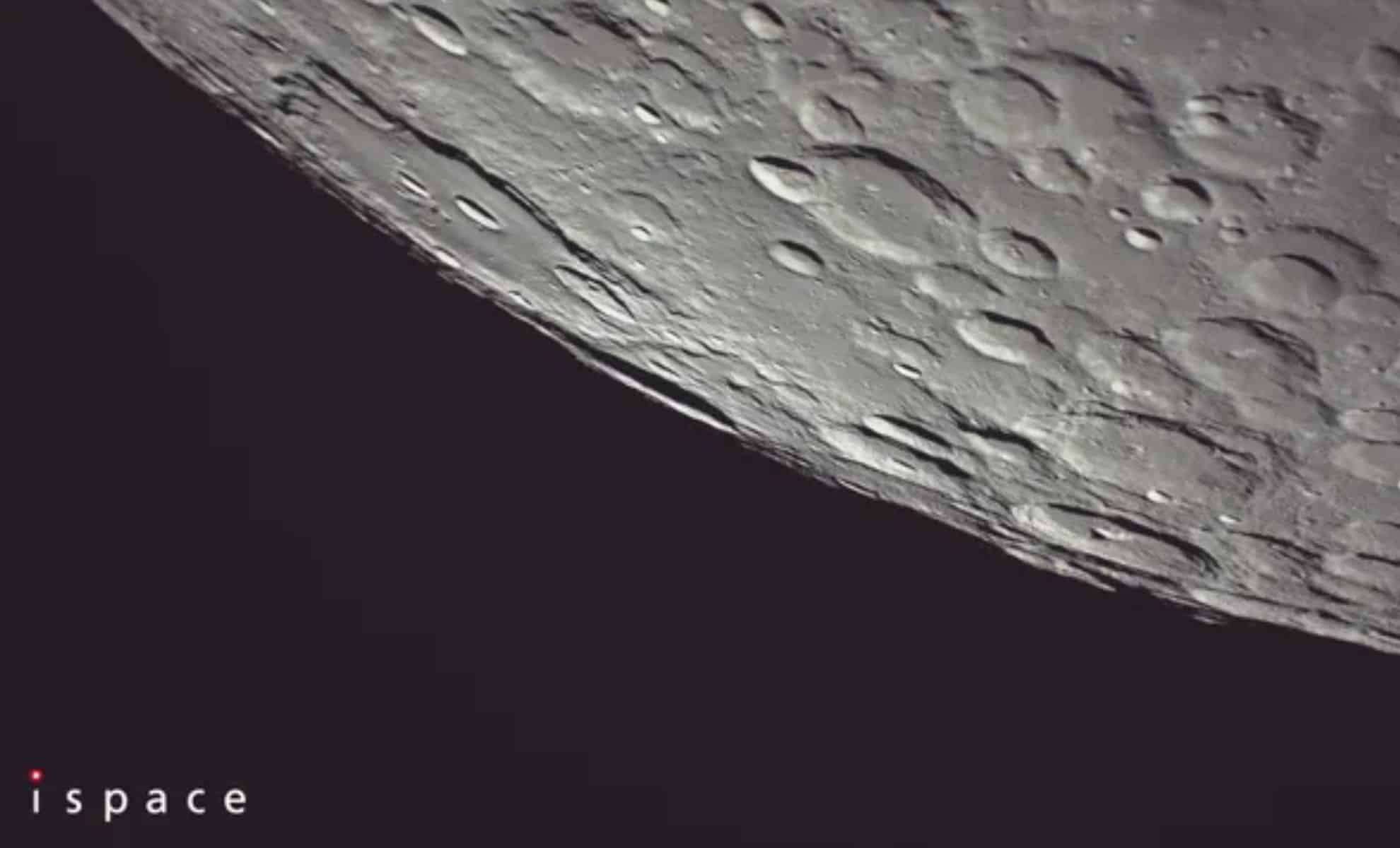
An exciting chapter in private spaceflight is unfolding as Tokyo-based aerospace firm ispace gears up for the anticipated touchdown of its Resilience lander slated for June 5, 2025. In preparation for this pivotal event, the company shared an impressive new image depicting the moon’s south polar area, illustrating the rugged and complex terrain drawing increased global interest. This image, posted on May 22 via ispace's official profile on X, arrives just a fortnight before what could become a trailblazing milestone for both ispace and Japan. The comprehensive coverage by Mike Wall on Space.com highlights the excitement and bold goals behind the mission.
Resilience Delivers an Intriguing Lunar South Pole View
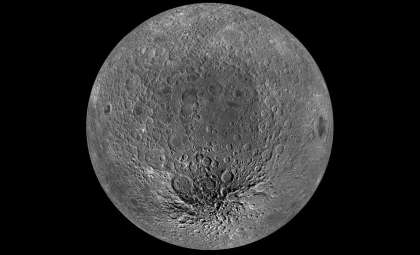
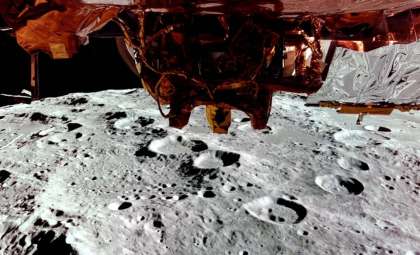
On May 22, the Resilience lander sent back a striking high-definition photograph from its lunar orbit, captivating viewers with its scientific and visual allure. Targeting the moon’s south pole, the image exposes an intricate landscape featuring numerous craters, ridges, and shadow-filled depressions. ispace described the image on X: “Resilience captured this picture from lunar orbit, revealing the moon’s turbulent geological tapestry (which some liken to cheese at a distance!). This photo creates an optical illusion: while the surface is covered by concave craters, from this angle they might appear convex. What do you perceive: dents or bumps?” The fascinating illusion draws public interest while also reflecting the sophisticated imaging technology aboard the spacecraft, which is crucial for upcoming navigation, surface analysis, and mission planning in this highly challenging lunar region.
Say "cheese"! 🧀🌕📷
RESILIENCE status: nominal
Distance above the Lunar surface: between ca. 100 km and 2,300 km
Current orbital phase: Lunar orbiting phase, osculating between ca. 3,200 km/h and 6,800 km/h
RESILIENCE snapped this photo of the Moon's South Pole from lunar… pic.twitter.com/9fi1wGg2AY— ispace (@ispace_inc) May 22, 2025Add Cosmo Herald as a Preferred Source

ispace’s Second Attempt to Land on the Moon
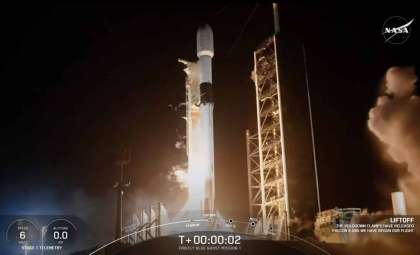
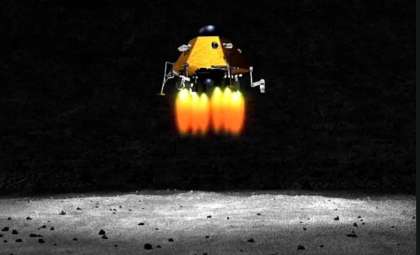
The Resilience project represents ispace’s second bid to softly touch down on the lunar surface after an unsuccessful effort in 2023, when the craft collided with a crater rim during descent. For this mission, the company chose a more deliberate and energy-efficient route, launching aboard a SpaceX Falcon 9 rocket on January 15, 2025. Following a complex orbital trajectory, Resilience entered lunar orbit on May 6, setting the stage for the landing attempt in June. Although the designated touchdown zone, Mare Frigoris or “Sea of Cold,” lies in the northern hemisphere (a distance from the south pole in the image), it remains a geologically significant area. This mission exemplifies the intricate balance between ambition and precision required in current lunar ventures by private operators, all while captivating global onlookers.
Japan’s Rising Influence in Lunar Exploration
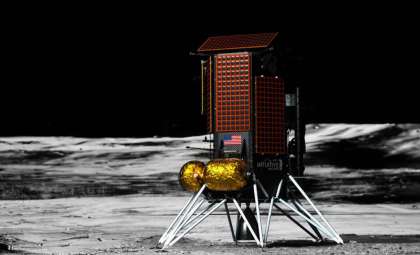
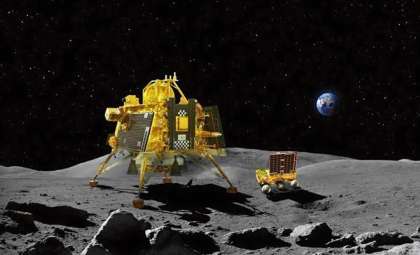
Japan's stature in the field of lunar exploration is steadily rising, marked notably by the successful landing of the SLIM lander managed by the Japan Aerospace Exploration Agency (JAXA) in January 2024. A successful landing of Resilience would reinforce Japan’s role as a key player in deep space endeavors. Only a limited number of nations and even fewer commercial enterprises have achieved lunar landings. Triumph here would not only redeem ispace's previous mishap, but also elevate it among industry leaders such as Intuitive Machines and Firefly Aerospace, whose Blue Ghost rover made headlines in March 2025. This growing competitive landscape among private firms, many collaborating with government agencies like NASA, underscores the emerging commercial race for lunar expertise and economic benefits.
Scientific, Artistic, and Collaborative Goals Aboard Resilience
The payload aboard Resilience goes beyond simple ambition, featuring a thoughtfully curated set of scientific instruments and cultural artifacts meant to showcase innovation and global cooperation. Highlighted is Tenacious, a small rover designed by ispace’s European division to collect lunar soil samples under a NASA contract awarded in 2020. This soil retrieval represents a critical proof-of-concept for future lunar resource utilization. Adding a creative dimension, Tenacious carries “Moonhouse,” a piece of artwork by Swedish artist Mikael Genberg, attached to its bumper. This fusion of science and art signals how lunar missions are expanding to include cultural narratives and emotional connections, inviting wider public engagement with space exploration on both intellectual and imaginative levels.
- Categories:
- News





0 comments
Sign in to Comment