
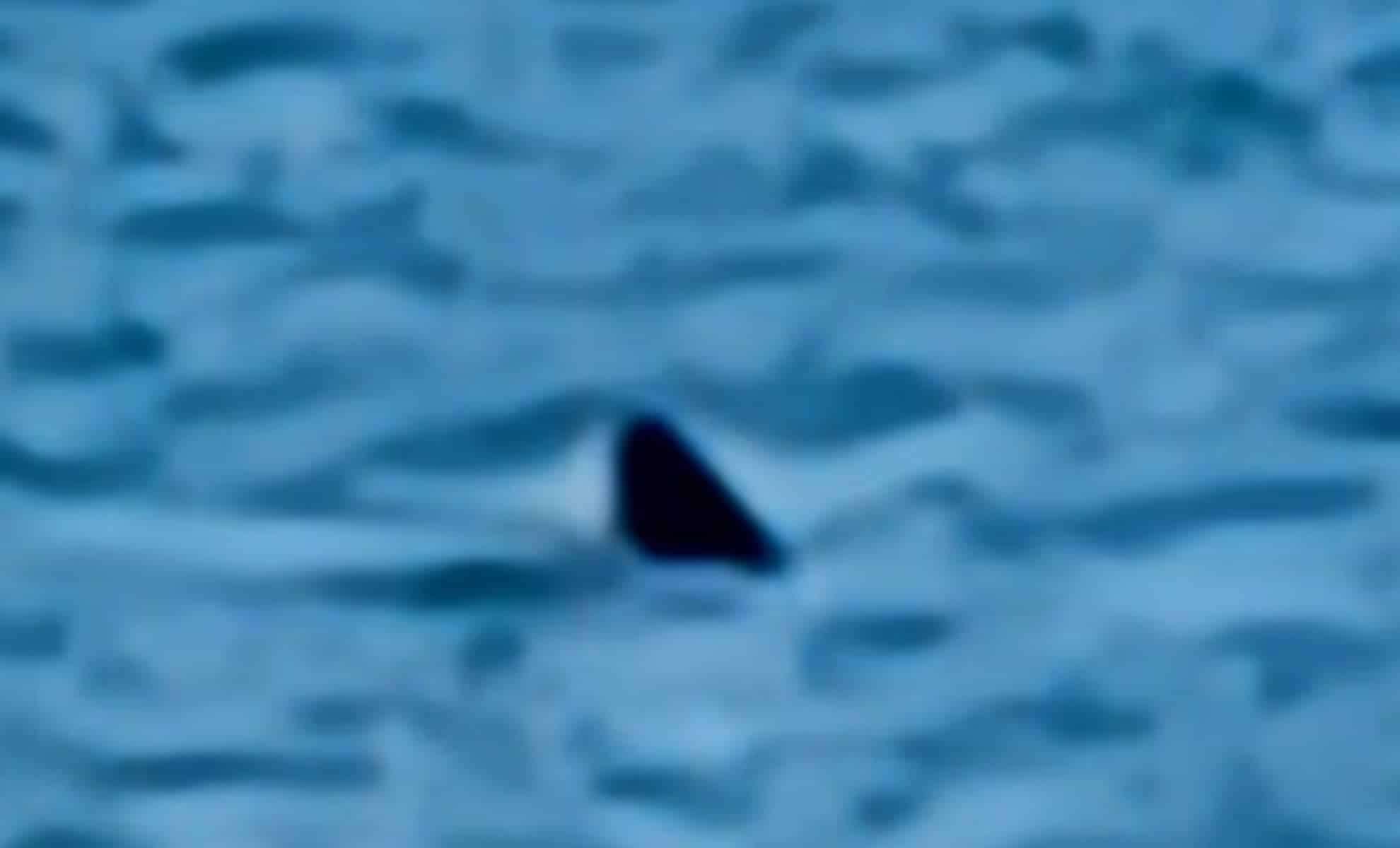
A porbeagle shark measuring about five feet in length, a relative of the iconic great white, was observed swimming just 30 feet from the shore at Southbourne Beach in Bournemouth, a favored coastal spot in Britain. This uncommon encounter has captured the attention and curiosity of local residents and marine enthusiasts alike, highlighting the unusual proximity of this elusive species to the beach.
Unusual Appearance in Coastal Waters
As reported by the Daily Mail, the shark was recorded near the shoreline by Jonathan Brennan, an experienced PADI-certified diver with extensive shark encounters worldwide. He observed the shark feeding calmly in shallow water for approximately 25 minutes.
Typically, porbeagle sharks prefer offshore environments and rarely come into close contact with humans. Their presence so close to popular bathing spots is highly unusual and thought to be linked to food availability.

Experts believe the porbeagle may have ventured in pursuit of abundant prey, possibly drawn by a surge of Mediterranean octopus sightings along the region’s southwest coast. Known to eat species like squid and mackerel, the shark’s proximity likely relates to following these cephalopods. Initially mistaking the fin for a seal’s, Brennan approached for a closer look and identified distinctive traits: a rounded fin, dark grey-brown coloring, and a white patch near the fin’s lower edge.
Confirming the Shark’s Identity
Brennan promptly ruled out other sharks commonly spotted nearby. “It wasn’t a tope shark,” he said, noting their deeper diving habits and quicker movements. “This shark kept surfacing intermittently.” He also excluded basking sharks based on their looser fins and side-to-side swimming patterns. “I’ve encountered thresher sharks before, but this was clearly not one.”
Confidently, Brennan identified the creature as a porbeagle shark (Lamna nasus), a species classified as vulnerable in the northeast Atlantic by the International Union for Conservation of Nature (IUCN). Although related to the great white (Carcharodon carcharias), the porbeagle exhibits different behavior. Brennan observed that the shark seemed unhurried and focused on feeding, likely gathered by a nearby fish school.
A Peaceful Creature Often Misunderstood
While a shark sighting near a busy recreational beach can cause alarm, marine specialists recommend remaining calm. Brennan emphasized that the shark’s presence indicates a thriving marine environment. He explained that porbeagles pose no danger when undisturbed and advised beachgoers to keep a respectful distance. “Their attention is on the fish, not people,” he noted.
Alongside blue sharks, porbeagles are among the most frequently spotted shark species in British waters. Despite their relation to the formidable great white, porbeagles are not considered a threat; historically, only three non-fatal incidents involving these sharks have been recorded, two of which involved boats.
Shifting Habitats and Conservation Status
Porbeagle sharks are native to the North Atlantic Ocean, usually inhabiting deep waters far offshore during summer. Their range spans from UK coastal waters to locations such as Scotland, Devon, and South Shields, extending as far as North Africa, the Mediterranean, Australia, and New Zealand.
They can reach lengths up to 12 feet and weigh as much as 600 pounds, though most encounters involve smaller specimens. Overfishing and their slow reproductive rates have caused population declines. This rare nearshore sighting off Bournemouth offers a striking glimpse of one of the ocean’s more enigmatic predators.
- Categories:
- News










0 comments
Sign in to Comment