
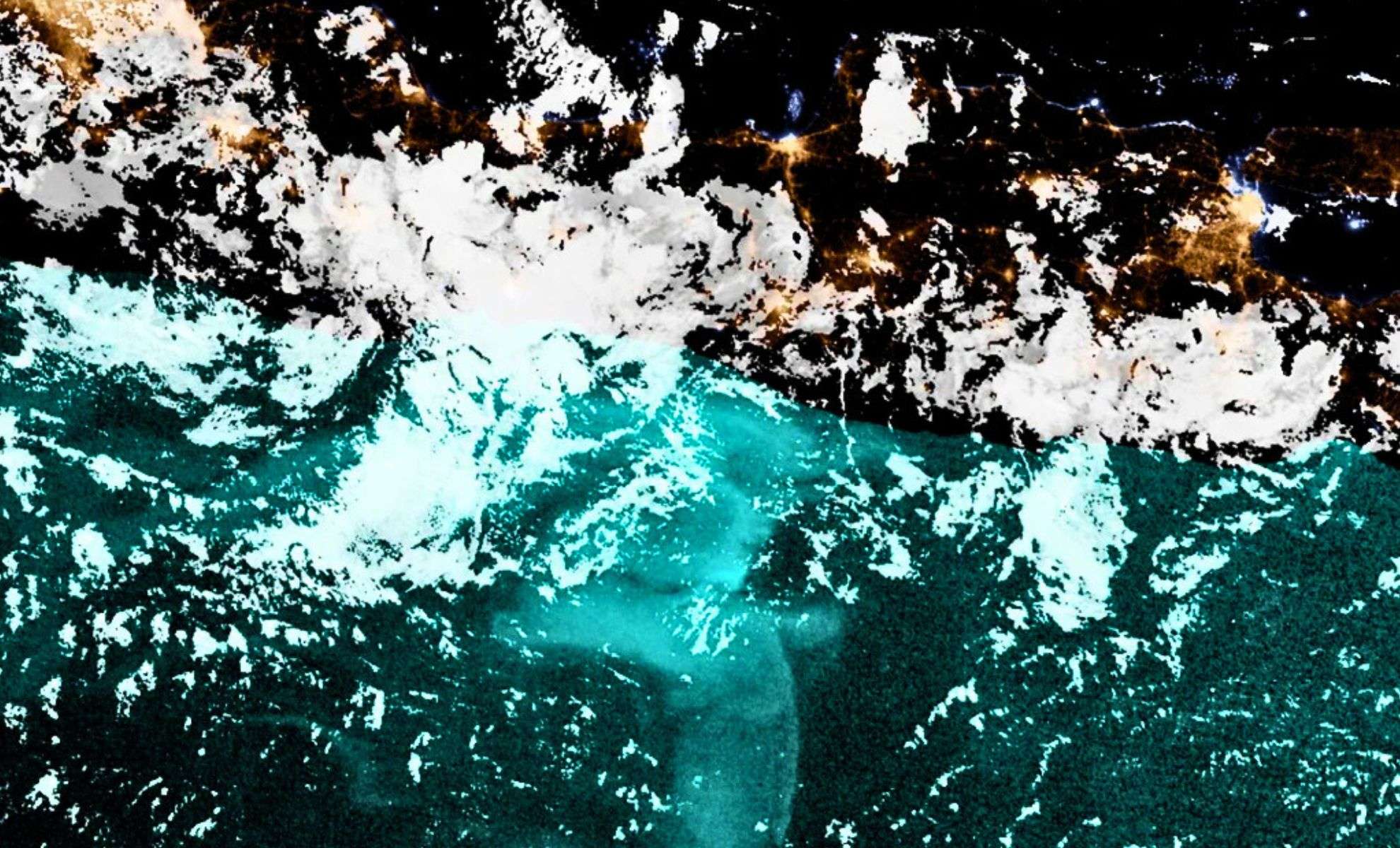
For centuries, mariners have witnessed an extraordinary spectacle where vast expanses of the ocean emit a mysterious, glowing light. These rare phenomena, termed “milky seas,” can illuminate areas stretching for hundreds of miles, captivating observers but defying scientific explanation—until now. Breakthrough research has brought us closer than ever to decoding these awe-inspiring bioluminescent displays.
Defining milky seas
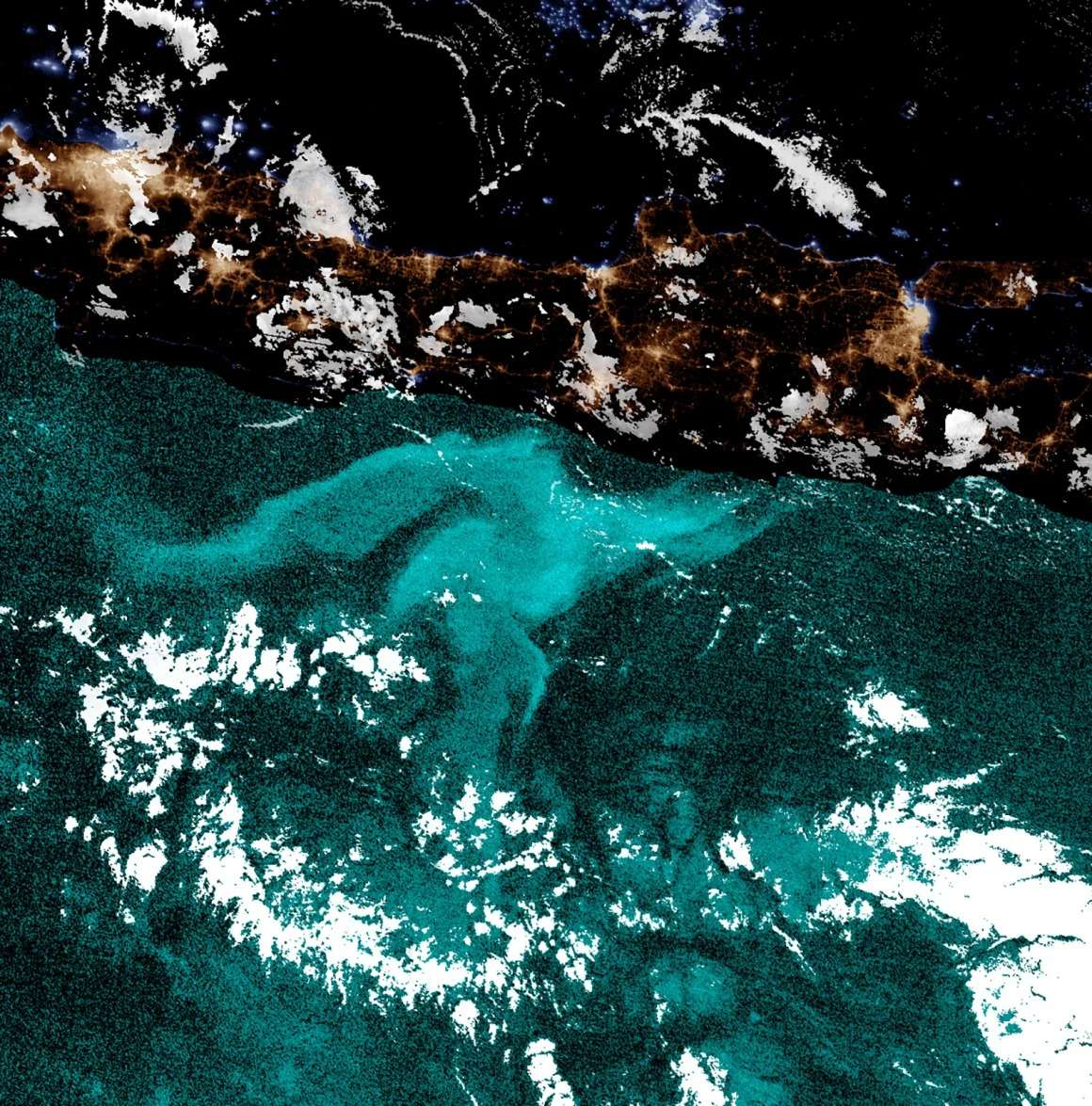
Milky seas represent unusual marine bioluminescence events distinguished by a persistent, widespread glow across the water’s surface. Unlike the fleeting sparkles produced by typical bioluminescent plankton, milky seas shine steadily over enormous areas—sometimes spanning up to 100,000 square kilometers (about 39,000 square miles).
These glowing waters are reportedly luminous enough to allow sailors to read at night, standing out dramatically against the usually pitch-dark ocean environment. The glow resembles the gentle radiance of luminescent stars decorating bedroom ceilings and can persist for weeks to months, making it one of the ocean’s most remarkable natural wonders.

Historical accounts describe these phenomena vividly. In 1967, J. Brunskill, an officer on the SS Ixion, recalled, “The sea from horizon to horizon in all directions took on a phosphorescence glow … the moon had just set and the whole sea was several shades lighter than the sky.” Nearly ten years later, crew aboard the MV Westmorland reported the sea as “brilliant and bright green. So brilliant in fact that neither white caps nor swell waves could be distinguished from what appeared to be a perfectly flat sea.”
Using a comprehensive database to monitor milky seas
Despite centuries of eyewitness reports, these elusive events have been challenging to study due to their frequent occurrence in remote oceanic regions, far from human presence. However, scientists have recently made strides by compiling extensive data to better track and understand milky seas.
Justin Hudson, a PhD candidate at Colorado State University, has assembled a database incorporating over 400 documented milky sea sightings, including historical sailor testimonials like those from Brunskill and Pricet. His findings were published in the journal Earth and Space Science.
This comprehensive dataset aims to equip researchers with predictive tools to anticipate these phenomena's timing and location, enabling field expeditions to capture detailed observations.
Hudson explains, “With this database, we hope to encourage broader scientific investigation into ‘milky seas’ and gradually solve this enduring oceanic puzzle.”
Investigating the biological basis of the light
While the complete explanation for milky seas is still under exploration, current research points to dense colonies of the bioluminescent bacterium Vibrio harveyi as a primary cause.
This theory is supported by a 1985 research vessel expedition during which scientists gathered and analyzed water samples amidst a milky sea occurrence.
Dr. Steven Miller, a veteran bioluminescence researcher and co-author of the recent study, notes that although the role of bacteria in producing the glow is confirmed, the precise biological and environmental factors that trigger such massive luminous events remain largely unknown.
“The bacterial population is responding in this way that is so dramatic, and in a way that we hadn’t really anticipated could be possible,” said Dr. Miller.
Ecological effects and future considerations
The emergence of milky seas might have broader ecological consequences. Scientists are investigating whether their presence signals indicators of oceanic health or distress, as detailed in related research into marine environments.
Hudson’s analysis suggests these glowing expanses often coincide with upwelling zones—dynamic areas where cooler, nutrient-rich waters rise, driven by strong winds, fostering heightened biological productivity.
Such conditions may create ideal habitats for bioluminescent bacteria to thrive and cause the luminous effect.
Dr. Miller hypothesizes that the light emitted by Vibrio harveyi could serve as an attractant for fish, which then ingest the bacteria, facilitating bacterial survival within fish digestive systems. This interaction hints at intricate ecological relationships within the ocean’s food web.
Despite advances in understanding bioluminescence, many questions remain, particularly about how climate change might alter these phenomena. Changing ocean currents and environmental shifts could influence how often and where milky seas appear, with potential ramifications for marine ecosystems.
- Categories:
- Science












0 comments
Sign in to Comment