
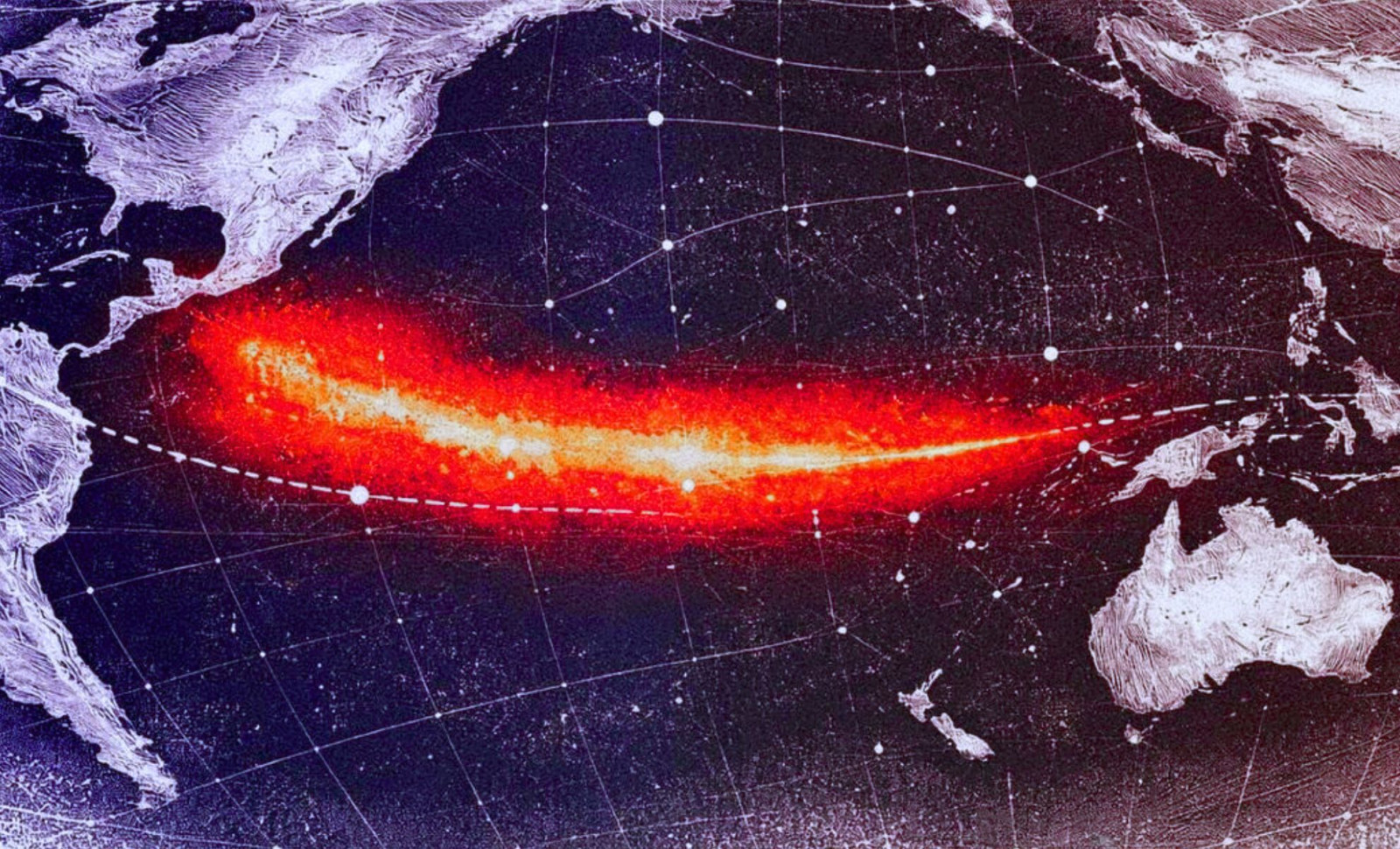
Beneath the visible surface of the central Pacific Ocean, significant shifts in oceanic and atmospheric patterns are unfolding. Initial subtle changes in wind flows and temperature irregularities have intensified, signaling a rapidly evolving phase change. The dynamic interaction between ocean heat content and atmospheric conditions points to a swift weakening of La Niña, paving the way for the onset of a new El Niño episode.
The El Niño–Southern Oscillation (ENSO) stands as one of Earth's most influential climate systems, affecting atmospheric conditions across continents and layers. Its warm phase, El Niño, reshapes global rainfall distribution, influences jet stream strength and paths, and heightens climate variability. Although its origins lie in the Pacific, its effects ripple worldwide, impacting precipitation trends, storm behavior, agricultural production, and economic activities.
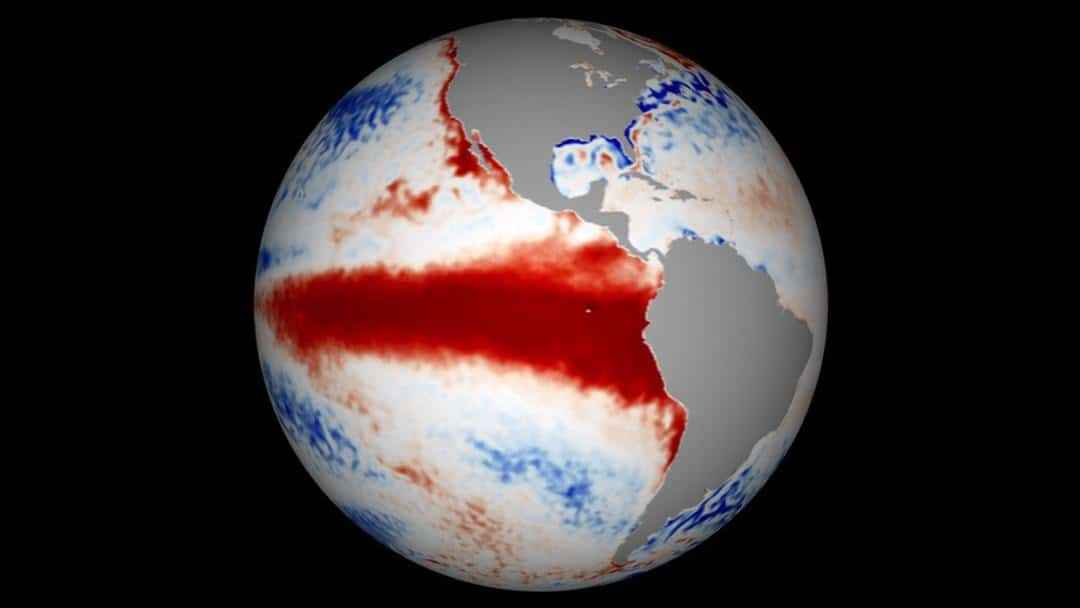
Satellite and ocean buoy data show an accelerated breakdown of the current La Niña phase. Early signs of a warm water surge progressing eastward beneath the surface have led scientists to predict the emergence of El Niño conditions by mid-2026. If this event reaches the anticipated intensity, the 2026–2027 period could experience widespread climatic effects.

Ocean and Atmosphere Interactions Shifting Quickly
Multiple atmospheric and oceanic factors indicate a distinct transition. In January, a notable westerly wind burst was recorded across the western and central equatorial Pacific. These powerful but brief disruptions to the trade winds facilitate surface warming by stopping or reversing the east-to-west ocean currents, causing warm water masses to advance towards the central and eastern Pacific regions.
Zonal wind measurements, detailed in Severe Weather Europe’s long-term climate review, reveal stronger westerly anomalies over key ENSO zones. More importantly, subsurface thermal anomalies indicate an expanding warm reservoir at depths between 100 to 250 metres, migrating eastward within the western Pacific. This deep-sea heat shift in the equatorial thermocline triggers a feedback loop between oceanic and atmospheric systems—an early hallmark of El Niño formation.
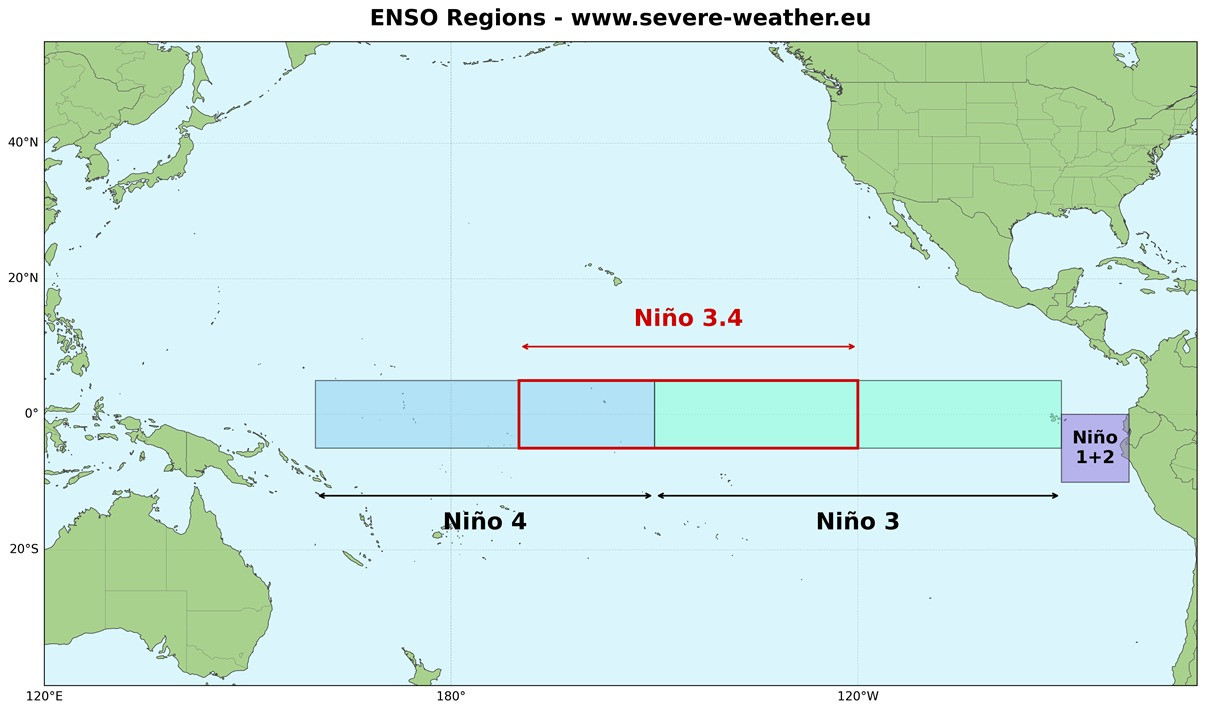
Findings from the European Centre for Medium-Range Weather Forecasts (ECMWF) and the U.S. Climate Prediction Center (CPC) support this scenario. The CPC’s current ENSO probabilistic forecast suggests a shift to El Niño-neutral by early summer, progressing to fully developed El Niño conditions (exceeding a +0.5°C anomaly in Niño 3.4) come autumn. The convergence of multiple models provides high confidence in this forecast despite the long lead time.
Changing Atmospheric Circulations and Regional Weather Effects
The arrival of El Niño triggers more than ocean temperature changes; it disrupts large-scale atmospheric circulations such as the Hadley and Walker cells. This displacement alters zones of atmospheric convection and shifts pressure systems worldwide. Climatological data and simulations have documented the geographical variability of El Niño’s impacts.
For North America, El Niño typically intensifies the subtropical jet stream, bringing wetter winters to the southern United States and California, while ushering in warmer winters for Canada and northern U.S. states. The Atlantic hurricane season tends to be less active due to increased vertical wind shear.
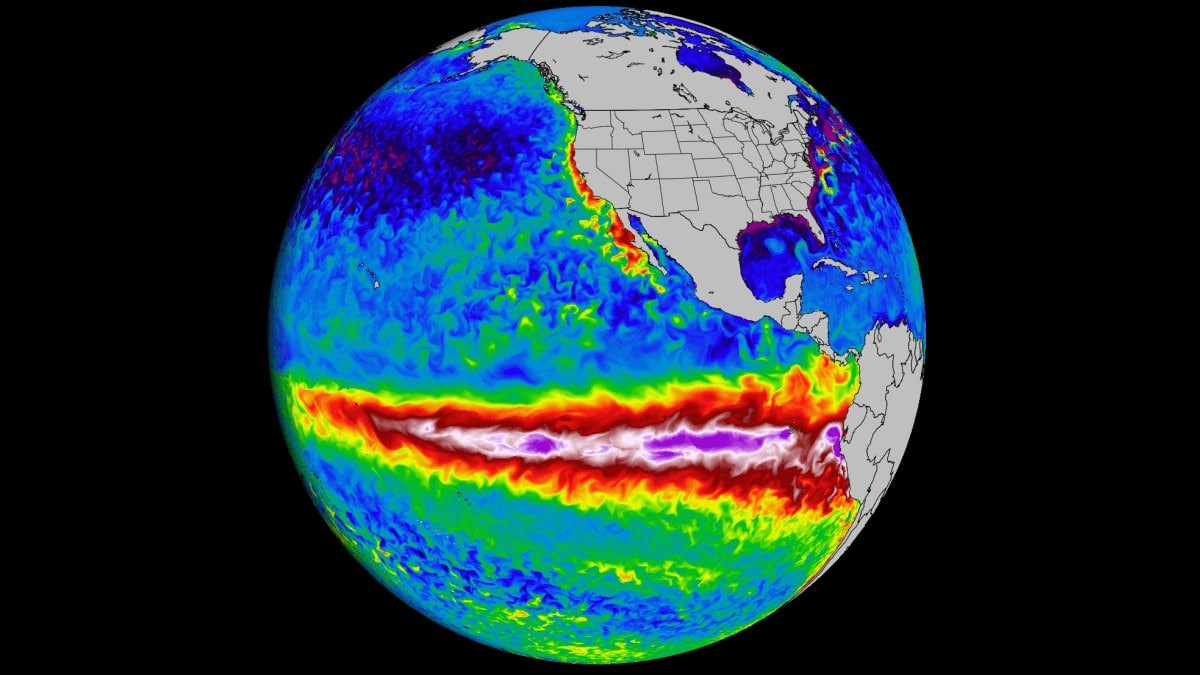
In the Asia-Pacific, El Niño is associated with heightened dry spells and extreme heat events, especially in Australia and Indonesia, alongside reductions in monsoon rainfall. Indonesia’s energy and mining sectors, particularly the production of nickel and bauxite, often experience disruptions as a consequence.
European forecasting agencies are evaluating El Niño’s potential influence on winter weather patterns in the North Atlantic. While indirect, signals point to wetter, stormier conditions in Western Europe early in winter, followed by colder and drier late winter phases. These changes relate to jet stream shifts driven by warming in the tropical Pacific.
In South America, El Niño typically intensifies precipitation along the Pacific coastline—affecting countries like Peru, Ecuador, and Colombia. This can lead to flooding, infrastructure damage, and agricultural setbacks, while interior areas such as the Amazon basin often endure drier conditions that increase fire hazards and water shortages.
Economic Impacts and Vulnerabilities in Global Markets
El Niño’s influence transcends weather, extending into socioeconomic domains. A notable analysis by the International Monetary Fund (IMF) examined ENSO events from 1979 to 2013, revealing marked yet uneven effects on GDP growth, inflation rates, and commodity pricing.
The IMF study highlights that countries such as Australia, India, Indonesia, and South Africa tend to experience short-term economic slowdowns during El Niño periods. These setbacks arise mainly from agricultural vulnerabilities to rainfall deficits and heat stress. India, for instance, often sees weakened monsoons driving declines in crop production and elevated food costs. Indonesia’s agricultural exports, including palm oil and coffee, are similarly affected.

Conversely, North American markets sometimes experience modest economic advantages. The United States benefits from diminished winter heating needs in the Northeast, improved crop yields in the Midwest, and fewer landfall hurricanes in the Southeast. Canada often sees reduced energy expenditures and occasionally better outcomes for fisheries.
A common repercussion of El Niño is a rise in non-fuel commodity prices, driven by decreased agricultural output from tropical regions, averaging a 5.5% price increase in the first year. Additionally, energy prices tend to climb due to reduced hydropower capacity and increased fossil fuel consumption.
Food inflation spikes notably in countries where groceries constitute a large part of consumer spending. Historical data show nations like India, Indonesia, and Thailand experiencing inflation increases between 0.5 and 1 percentage point, linked closely to consumption patterns.
- Categories:
- News







0 comments
Sign in to Comment