
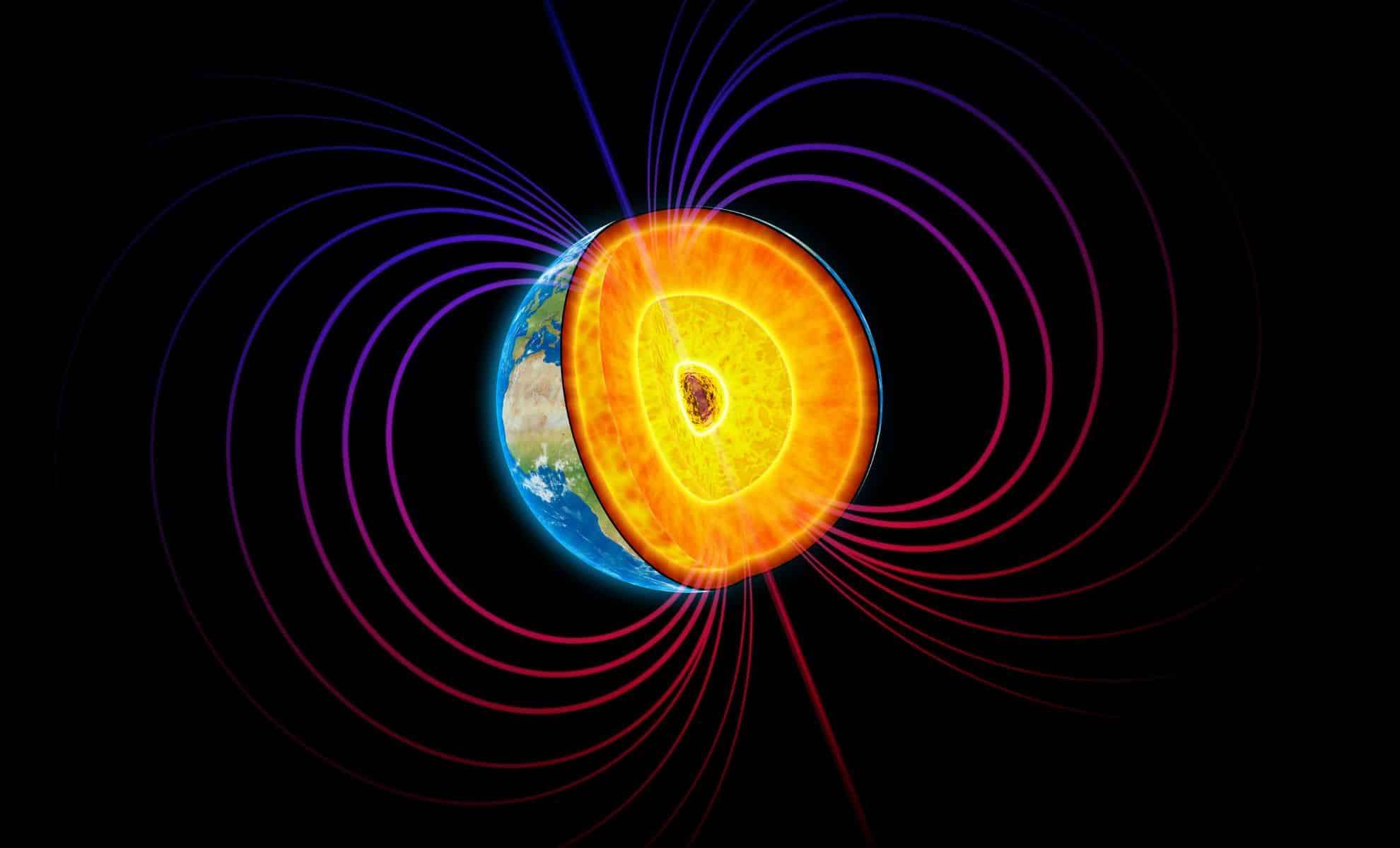
Recent modeling unveils a concealed "fiery ocean" that once existed atop Earth’s core, shaping the planet’s inner structure. This primordial molten layer, termed the basal magma ocean, formed during Earth’s turbulent origins and continues to influence the planet’s deep geological activity. Led by planetary physicist Charles-Édouard Boukaré from York University, their study reveals how early Earth’s cooling generated a robust layer of liquid rock, leaving a lasting signature detectable through seismic waves.
Crafting Our Early World
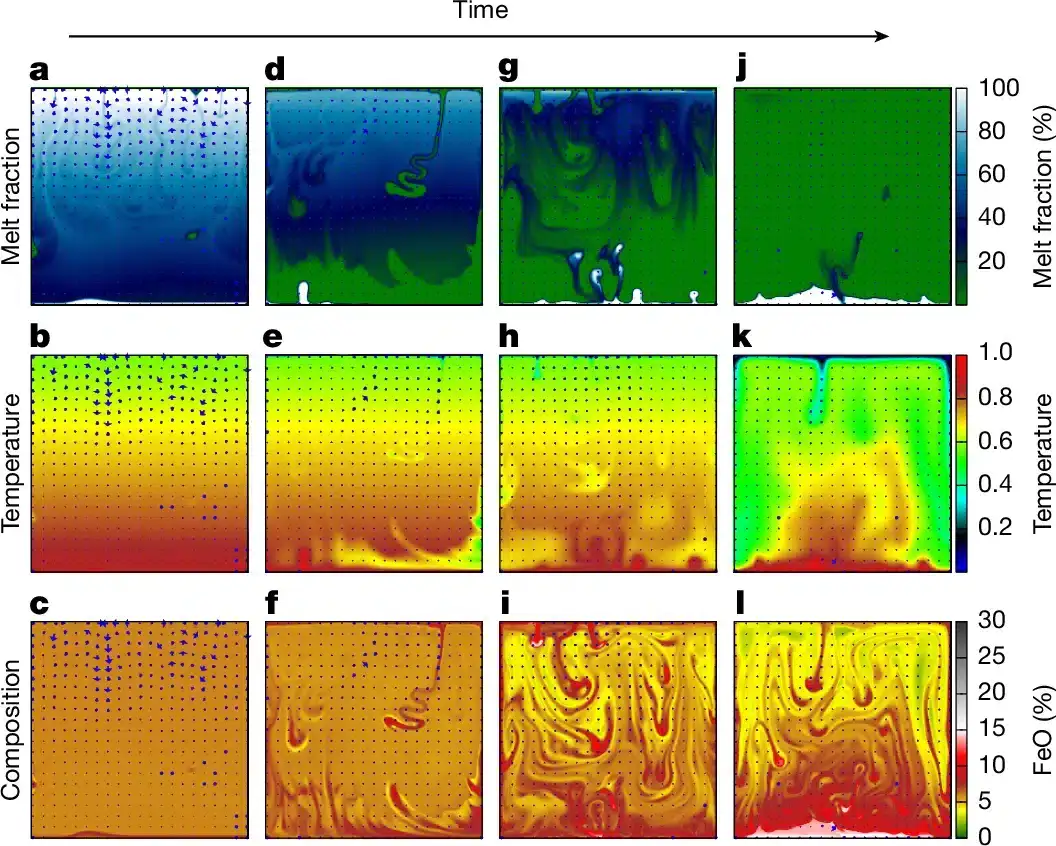
In their pioneering study, Boukaré and his collaborators integrated isotopic evidence from ancient stones with advanced seismic data, constructing a detailed three-dimensional representation of Earth's formative years. Their simulations traced how iron-heavy liquids separated from lighter materials, descending toward the core. These models show that regardless of where solidification initiated in the mantle, the accumulation of dense molten rock inevitably formed a vast deep reservoir.
The research suggests the molten layer might have been as thick as 60 miles (96 km), a claim supported by subtle seismic anomalies indicating intense heat zones beneath Earth’s crust. Boukaré remarks there is a "lasting memory" embedded within the planet’s interior, preserving the signature of these ancient molten origins long after Earth's exterior solidified.

The Role of Heat Transfer in Core Formation
As the planet's surface cooled, minerals solidified and, due to their greater density, sank back into the mantle. While many of these solids remelted during descent, some preserved elemental fingerprints from the upper mantle and transported them deep into Earth’s interior. Crucial to this process was iron oxide, which lowered melting points for descending material and helped incorporate it into the basal magma ocean.
The heat flowing from Earth’s core was essential in sustaining this molten layer long after surrounding rock had hardened. The basal magma ocean’s density made it resistant to upward movement and cooling, creating pockets rich in incompatible elements such as neodymium and tungsten.
Decoding the Mantle’s Enigmatic Blobs
Seismologists have pinpointed vast, low-shear velocity regions beneath Africa and the Pacific Ocean where earthquake waves markedly slow down. These enormous zones, rivaling continents in size, may be relics of the primordial basal magma ocean, dating back more than 4.4 billion years. While some hypotheses attribute these formations to recycled oceanic crust via plate tectonic processes, their dense, iron-rich composition aligns more closely with the basal magma ocean theory.
Should these blobs indeed trace back to the original molten layer, they could clarify longstanding geological puzzles. For instance, these dense structures might anchor mantle plumes, explaining persistent volcanic activity throughout the Pacific basin.
Linking the Core to Earth’s Magnetic Shield
Heat escaping from Earth’s core energizes convection within the mantle, fueling the geodynamo responsible for generating the planet’s magnetic field. The presence of a thick, iron-rich molten stratum might alter heat transmission patterns, potentially influencing magnetic field intensity across millions of years.
Boukaré suggests that "continental drift may influence tectonic plate positioning," implying that plate movements mirror underlying flows within the molten layers. Variations in the basal magma ocean’s thickness could modify tectonic dynamics, affecting how mantle slabs subduct and how volcanic plumes ascend. Melt pockets isolated within this layer might also reduce friction between plates, shedding light on the relatively linear paths followed by some subduction zones.
- Categories:
- News







0 comments
Sign in to Comment