
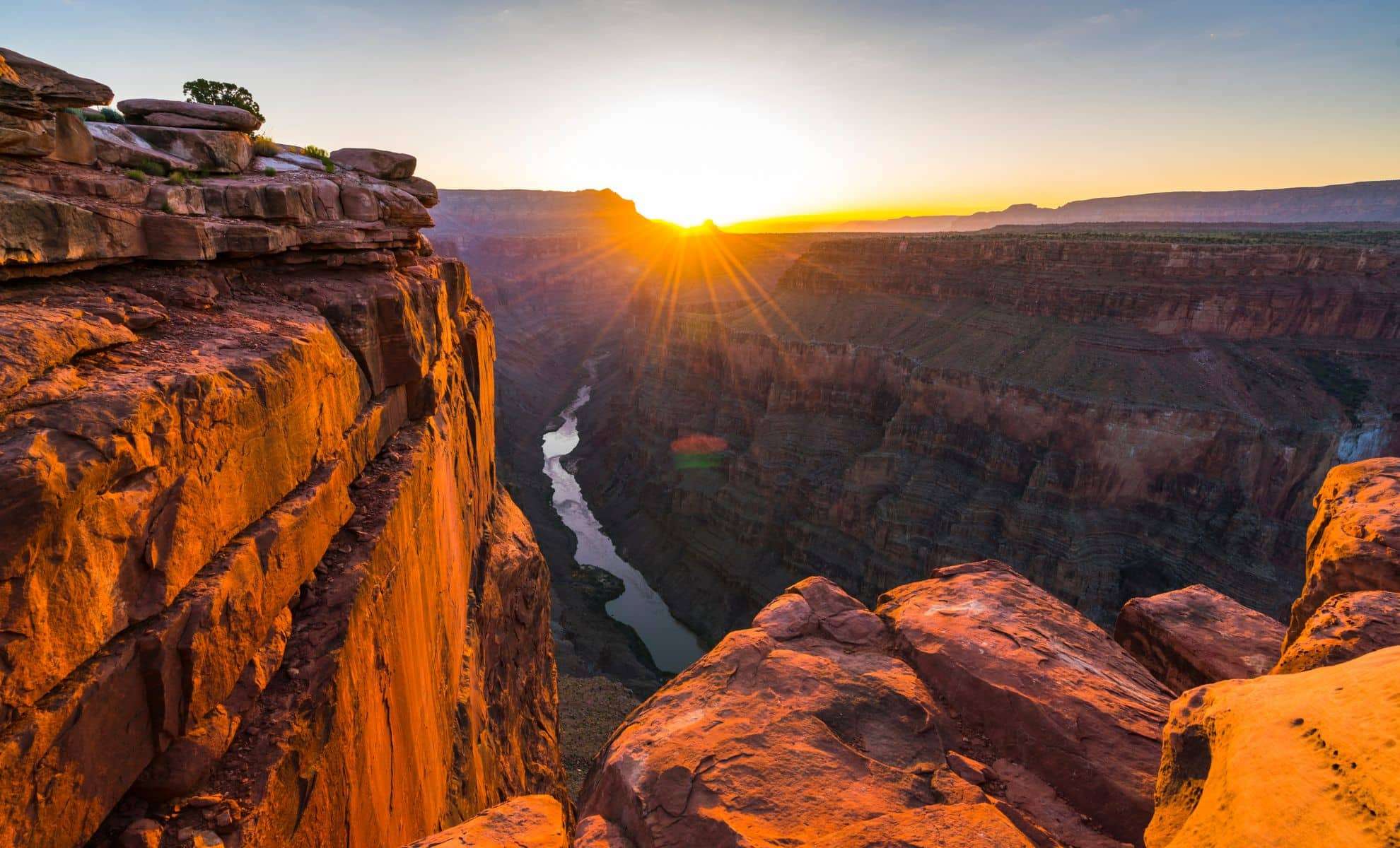
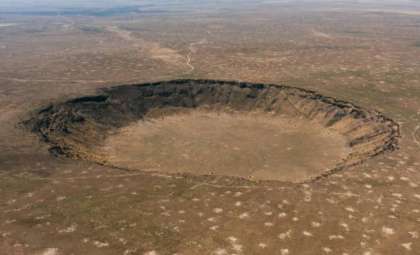
Arizona hosts two iconic geological features—Meteor Crater and the Grand Canyon—which new research suggests may be connected through a dramatic cosmic event occurring approximately 56,000 years ago. A recent study proposes that the asteroid impact that created Meteor Crater also triggered the formation of a temporary lake in the Grand Canyon.
Asteroid Collision Sparks Geological Disruptions
The colossal impact responsible for the Meteor Crater, sometimes called Barringer Crater, was caused by a large nickel-iron asteroid weighing around 300,000 tons. When it struck the Colorado Plateau, it unleashed energy surpassing the equivalent of 150 atomic bombs, resulting in the USA’s biggest meteor crater. Nevertheless, this cataclysmic event induced effects far beyond the crater’s vicinity.
Seismic waves from the impact propagated over a hundred miles, reaching the Grand Canyon swiftly. The intensity of these shockwaves is believed to have triggered a massive rockslide that temporarily dammed the Colorado River within the canyon.

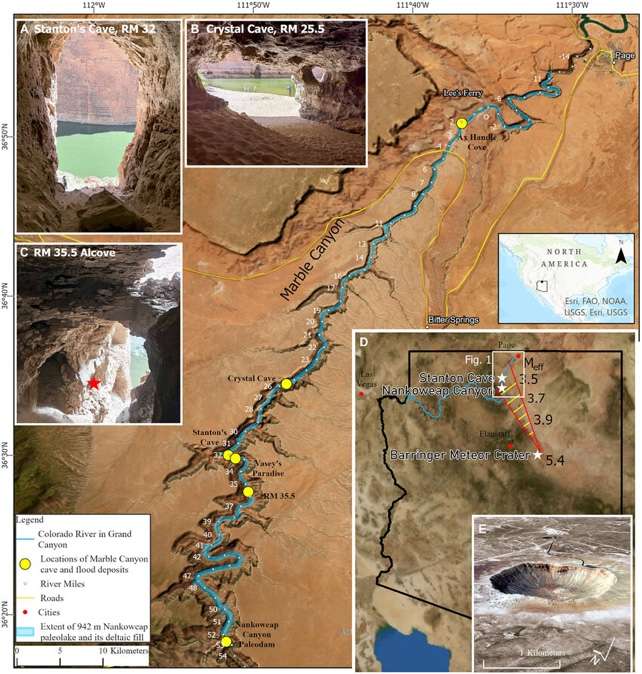
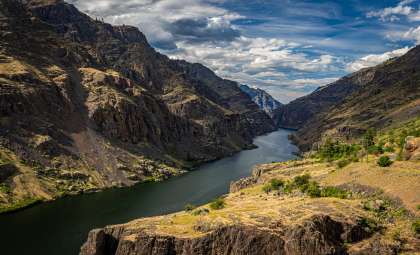
This natural obstruction led to the formation of an ancient lake stretching more than 80 kilometers (50 miles) long and plunging to depths exceeding 100 meters (370 feet). The location of this prehistoric lake corresponds today to the area of Nankoweap Canyon.
Revealing Clues in Stanton’s Cave
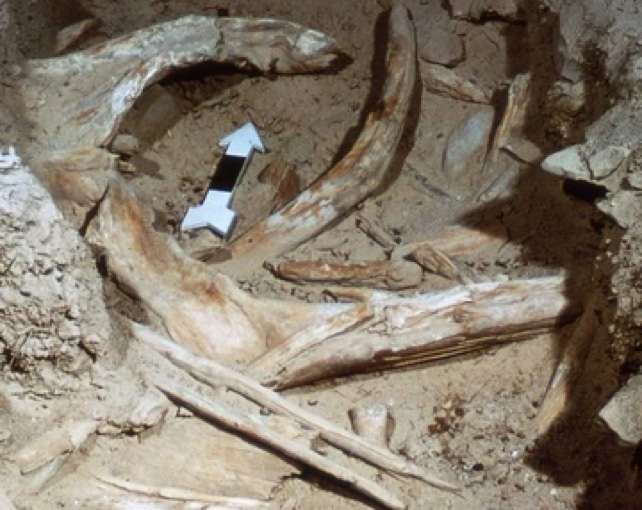
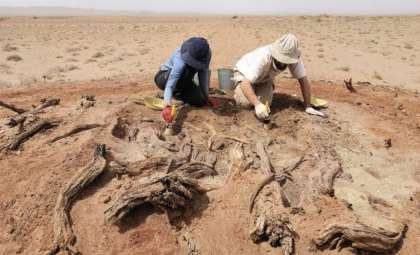
Investigation into this phenomenon unearthed crucial clues inside Stanton’s Cave, situated nearly 45 meters above the Colorado River. Researchers discovered ancient driftwood and distinct lake sediments that strongly corroborate the existence of the old lake caused by the asteroid’s impact.
University of New Mexico geologist Karl Karlstrom, co-author of the research, explained, “Transporting the driftwood into the cave required a flood level roughly ten times higher than any in recorded recent millennia.”
Originally collected in 1970 and dated in the 1980s, the driftwood was estimated to be around 44,000 years old, a value near the limits of radiocarbon dating. More recent analyses on additional wood specimens found in another alcove above the river refined the date to about 55,600 years ago, aligning with the timing of the meteor impact event.
The Formation of Nankoweap Paleolake Explained
The discovery of the Nankoweap Paleolake played a pivotal role in unraveling this connection. Scientists identified remnants of a natural dam about 35 kilometers downstream from Stanton’s Cave, with layers of river cobbles signifying that the Colorado River had overflowed the dam for roughly 1,000 years.
The sheer magnitude of the quake induced by the impact, estimated at magnitude 3.5, was sufficient to cause such flooding and lake formation, revealing the immense effects of extraterrestrial impacts on Earth’s geological history.
While there remains a possibility that the paleolake could have formed due to a landslide or an unrelated seismic event, the convergence of impact timing, seismic evidence, and sediment dating strongly supports a causal link between the meteor impact and the Grand Canyon’s ancient lake.
- Categories:
- News





0 comments
Sign in to Comment