
Recent archaeological research has shed light on the Gobi Wall, an extensive and little-studied ancient structure spanning the Mongolian desert. Once thought to be solely a defensive barrier, this 321-kilometer-long fortification is now believed to have been a sophisticated tool for administration and imperial control, constructed by the Xi Xia dynasty. Evidence suggests its purpose went beyond mere defense.
Reevaluating the Function of the Gobi Wall
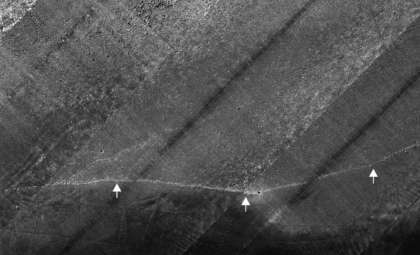
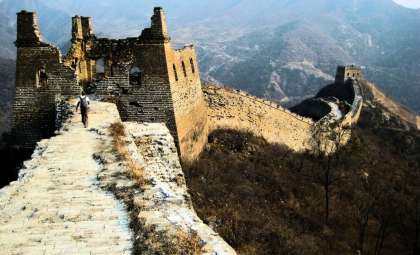
The Gobi Wall, made from compacted earth, stone, and wood, stretches across Mongolia’s harsh desert environment. It was part of a wider defensive network stretching from China into Mongolia. While traditionally classified as a military barrier, new findings indicate that the wall had broader functions.
The study reveals the structure’s key role in managing trade routes, overseeing movement, and asserting territorial governance. The wall’s adaptive design took into account the extreme ecological and geographical challenges, establishing it as a durable mechanism for governance across medieval Inner Asia.

Professor Gideon Shelach-Lavi, a primary investigator, stated that the Gobi Wall was “more than a mere barricade—it functioned as an active instrument to regulate travel, commerce, and territorial authority in a demanding setting.”
Excavations Provide Fresh Perspectives
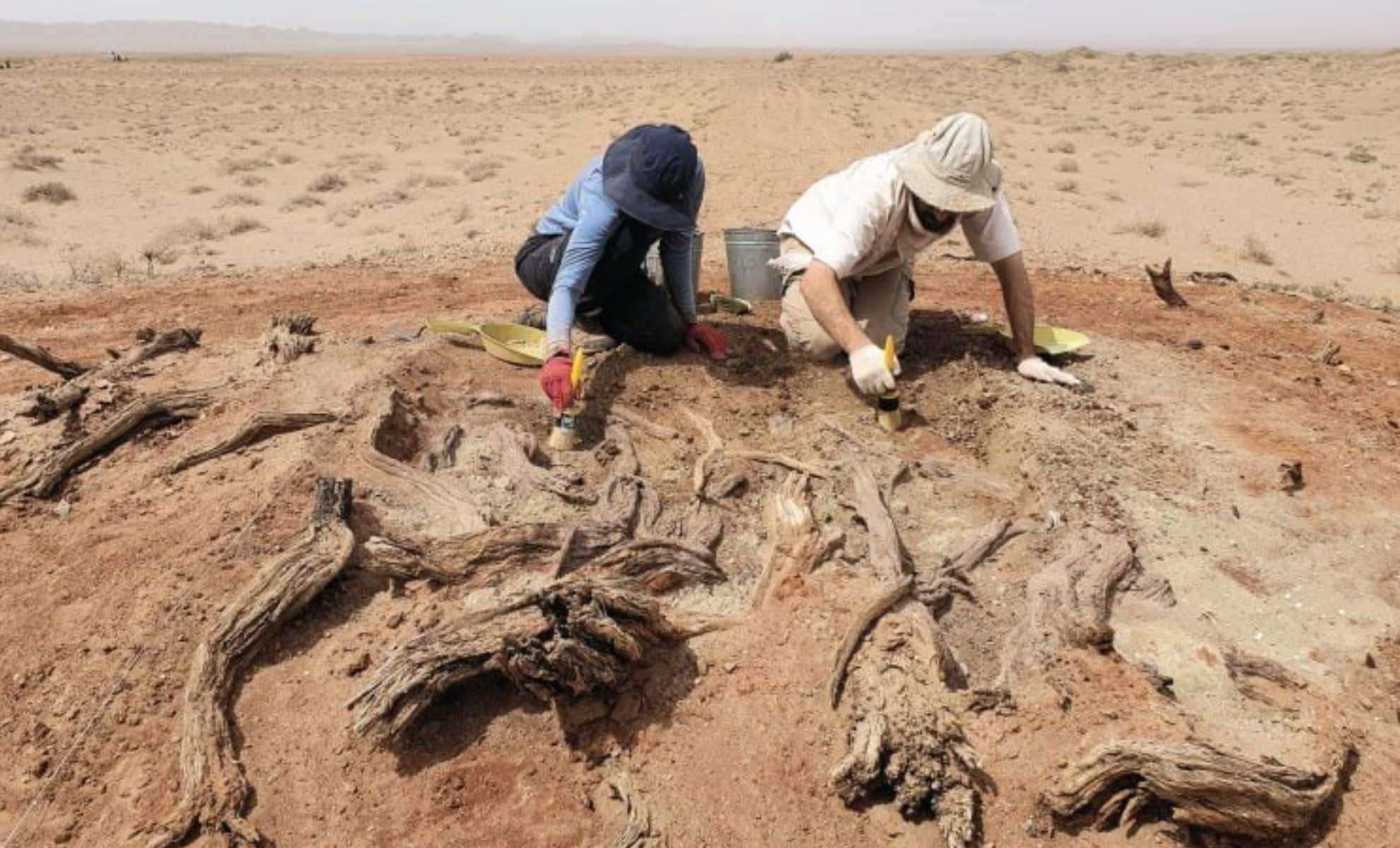
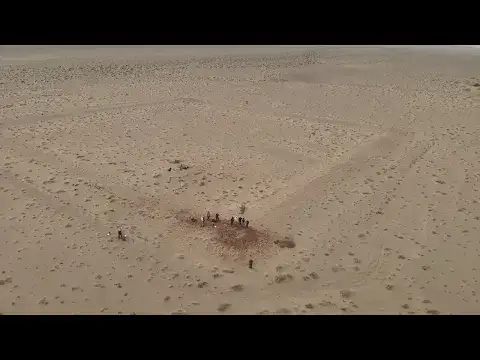
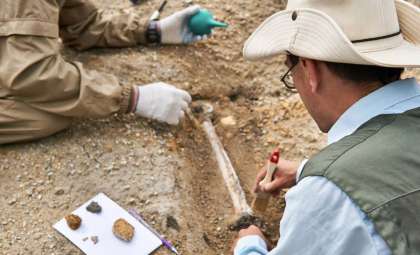
Led by Professor Shelach-Lavi alongside archaeologist Dan Golan from the Hebrew University of Jerusalem, the research team collaborated with experts from the National University of Mongolia and Yale University during fieldwork in Mongolia. Employing remote detection, on-site surveys, and targeted digs, they uncovered valuable new information concerning the wall’s construction and its influence on regional political and environmental factors.
A notable revelation was the calculated distribution of forts and military posts along the wall. These strongholds were carefully placed to leverage natural landforms such as mountain passages and dunes, enhancing the wall’s dual role as a physical barrier and a means to manage the landscape. Researchers also established that the wall’s trajectory was deliberately chosen with respect to local resources like water and timber.
Tracing the Influence of the Xi Xia Dynasty
Although the peak phase of the Gobi Wall’s construction aligns with the Xi Xia dynasty’s rule, findings suggest it was occupied and maintained across numerous centuries. Artifacts reveal the site’s importance spanning from the 2nd century BCE to the 19th century CE. This extensive timeline highlights the wall’s persistent role in shaping political and ecological domains.
The insights clarify how the Xi Xia dynasty, led by the Tungut tribe of Western China and Southern Mongolia, integrated the wall into a wider imperial framework. Its architecture and layout reflect strategies tailored to the complexities of frontier leadership amid a swiftly evolving geopolitical landscape.
The study also details the locally sourced materials—rammed earth, stone, and wood—used in the wall’s construction, demonstrating an adaptive approach to the environment. This ingenuity enabled the dynasty to establish a durable infrastructure to oversee vast and often challenging terrain. The fortifications and garrisons not only served defensive purposes but also functioned as administrative centers, underscoring the wall’s multifaceted impact on the region’s long-term development.
- Categories:
- News








0 comments
Sign in to Comment