
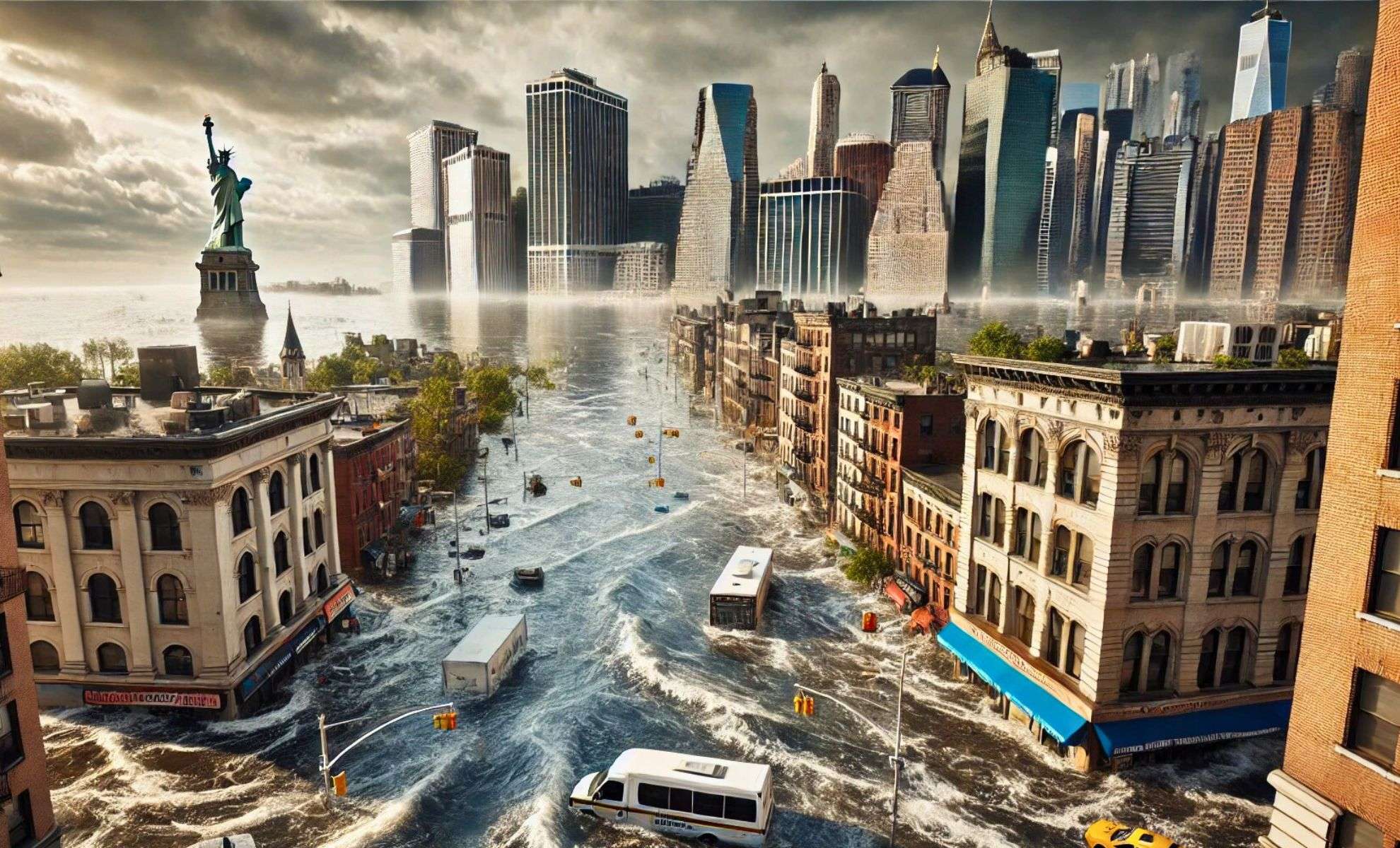
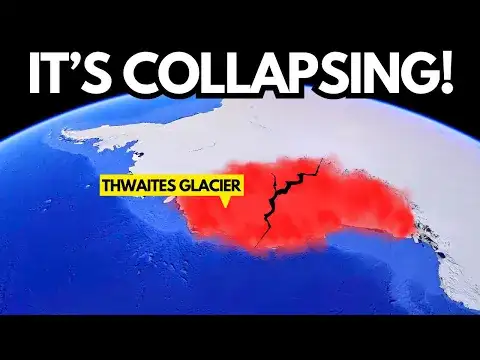
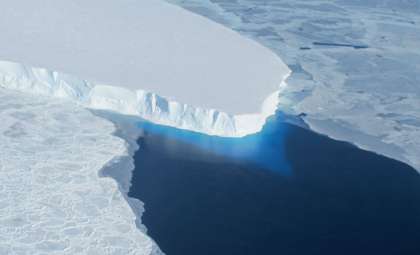
Visualize a glacier so powerful that its melting could submerge prominent cities such as New York and Miami. This is the looming reality posed by the Thwaites Glacier, famously known as the “Doomsday Glacier.” Scientists are sounding alarms over the rapid ice loss threatening global shorelines if this vast Antarctic ice mass continues to deteriorate.
Understanding the ‘Doomsday Glacier’ and Its Global Impact
The Thwaites Glacier earned its foreboding nickname due to its crucial role in stabilizing the adjacent Antarctic ice sheet. Scientists warn that its collapse could trigger sea levels to surge up to 10 feet (3.05 meters), with catastrophic consequences for coastal habitats, major urban centers, and millions of residents worldwide.
Research from the International Thwaites Glacier Collaboration reveals that the glacier's ice is thinning at an alarming speed. Without urgent intervention, Thwaites could vanish entirely within the next 200 years. Yet rising global temperatures might accelerate this timeline, hastening global sea-level rise far beyond current predictions.

Consequences of a Thwaites Glacier Breakdown
A rise in sea levels of about 10 feet would have far-reaching effects, including:
- City Flooding: Urban centers such as New York and Miami would experience severe inundation.
- Massive Relocation: Displacement of millions as coastal regions become uninhabitable, creating a refugee crisis.
- Biodiversity Threats: Disruption to coastal and marine ecosystems with cascading impacts on wildlife.
- Economic Fallout: Damage to infrastructure and property could accumulate into the trillions of dollars.
Can Seabed Barriers Halt the Glacier’s Decline?
To counter this peril, scientists have brainstormed innovative solutions. One proposed approach involves placing “seabed curtains” to block warm ocean currents from melting the glacier's base.
Douglas MacAyeal from the University of Chicago believes that deploying approximately 50 miles (80.47 km) of these underwater barriers might help slow the glacier’s disintegration.
Potential Strategies for Thwaites Glacier Preservation:
Despite the promise, experts caution that these interventions are still conceptual and unproven. Developing practical methods will require years of research, leaving Thwaites at risk in the near term.
Global Efforts Essential to Prevent Major Flooding
Scientists emphasize that addressing the threat posed by the Thwaites Glacier demands worldwide collaboration. Engineers, sociologists, ecologists, and policymakers must unite to design and implement effective solutions.
Delays in funding and action will only reduce our ability to manage the escalating dangers of rising seas. As MacAyeal urges, “Start funding this research now,” or face a future where rapid, desperate measures could be the only option.
- Categories:
- Climate change







0 comments
Sign in to Comment