
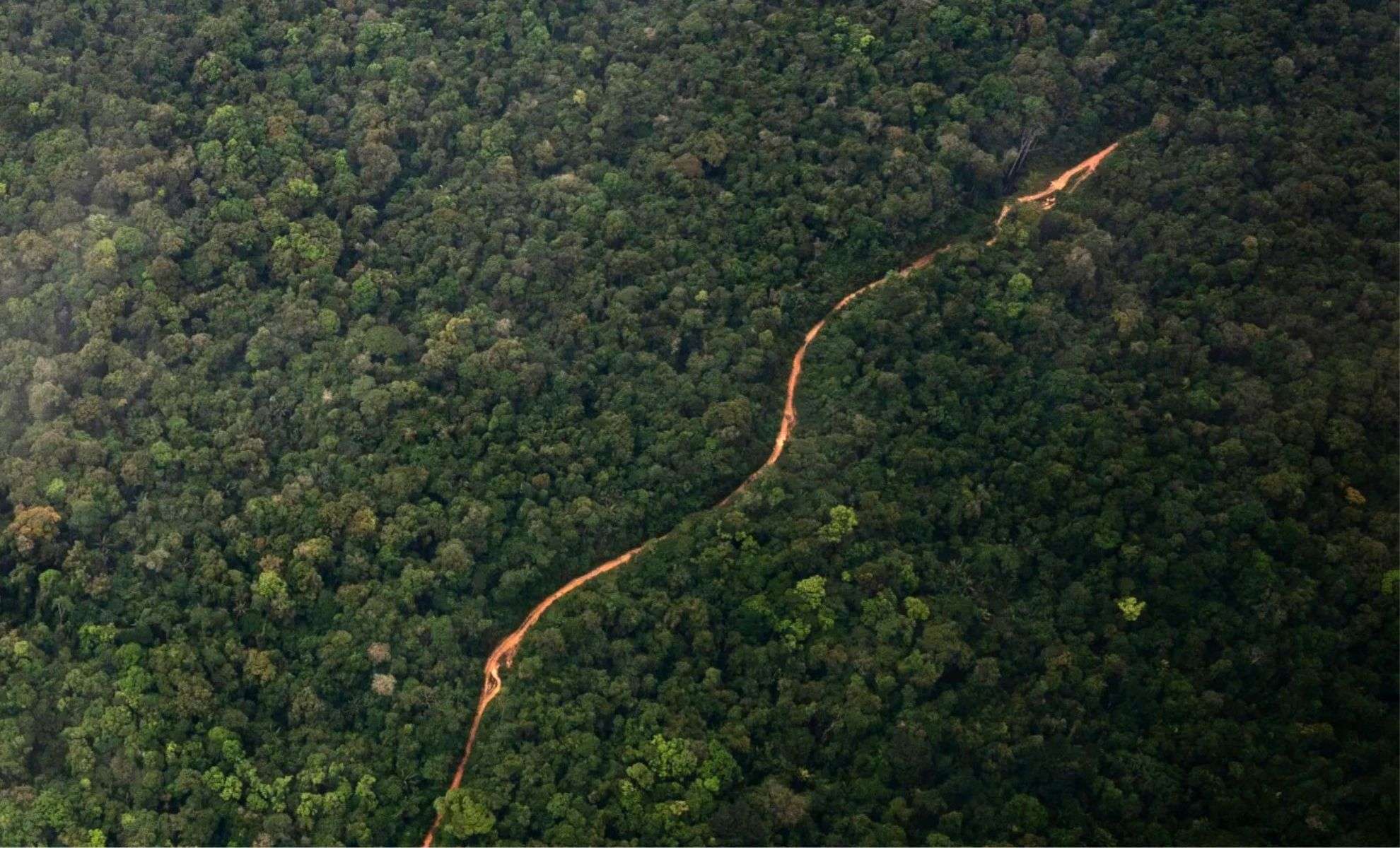
The United States is expanding its influence in a lucrative new oil hotspot, as ExxonMobil’s offshore drilling ventures near Guyana reshape South America's energy dynamics. With vast reserves worth billions of barrels, this small nation has become a critical asset in Washington’s fossil fuel strategy, led by ExxonMobil.
ExxonMobil’s Landmark Oil Discovery
Back in 2015, ExxonMobil uncovered a giant reservoir containing nearly 11 billion barrels of crude oil beneath Guyana’s offshore seabed. Within just a few years, this rainforest country has emerged as the world’s most rapidly expanding oil producer.
Currently, Exxon alongside partners Hess and CNOOC produce roughly 650,000 barrels daily, with plans to double output by 2027. By 2035, Guyana is expected to top global growth in oil production, strengthening the U.S. energy foothold near neighbors Venezuela and Brazil.

Guyana’s collaboration with Exxon supports longstanding American objectives to secure strategic energy supplies, especially in politically sensitive regions.
South America’s Strategic Energy Victory for the U.S.
Guyana holds considerable geopolitical importance, bordered by Venezuela, Brazil, and Suriname. It offers a stable energy hub amid regional volatility. While Venezuela’s oil industry remains crippled by U.S. sanctions and internal issues, Exxon’s ventures in Guyana guarantee American corporate leadership over a substantial oil resource.
President Mohamed Irfaan Ali, inheriting the oil agreement from his predecessor, promotes the sector as a modernization engine. His administration has maintained Exxon’s dominance and assured Western investors of Guyana's reliability.
Even though Guyana serves as a major carbon sink with forest covering 90% of its land, the Ali government contends that fossil fuel development can align with environmental objectives—a stance that resonates with industry players prioritizing consistent energy output over green concerns.
Unequal Revenue Sharing and Controversial Contract Terms
The 2016 production-sharing deal between Guyana and Exxon has faced sharp criticism for favoring the corporation extensively. Exxon can recover up to 75% of its expenses from revenue before profit-sharing begins—splitting profits equally with Guyana. The country also gains a modest 2% royalty.
While President Ali admits the contract’s shortcomings, he resists revising it to maintain investor confidence. Exxon defends the agreement as “competitive on a global scale” for early development nations, highlighting Guyana’s earnings of $1 billion each year and a sovereign wealth fund holding $6.2 billion.
However, international attorney Melinda Janki criticizes the deal for granting Exxon vast control over public resources and exposing Guyana to environmental hazards. She has spearheaded litigation that secured a ruling imposing unlimited spill liability on Exxon—a decision currently awaiting appeal.
Economic Gains Shadowed by Social and Political Strains
The oil boom has not benefited everyone equally. Inflation soared to 6.6% in 2023, with rising costs for essentials like food and housing. Grassroots advocate Wintress White from Red Thread remarked, “The wealth isn’t reaching the general population.” Despite staggering GDP growth above 33% in 2023 and projected 40% in 2024, socioeconomic inequality is widening.
Exxon highlights its investment of $2 billion in local enterprises, creation of 6,200 jobs, and funding of community initiatives worth $43 million. Yet many Guyanese remain skeptical over who truly profits—the multinational corporation or the people.
The oil-rich Essequibo region faces ongoing territorial disputes with Venezuela, heightening geopolitical tensions. U.S. officials have expressed support for Guyana’s sovereignty, further cementing the country’s role within American strategic energy interests in the Western Hemisphere.
- Categories:
- News











0 comments
Sign in to Comment