
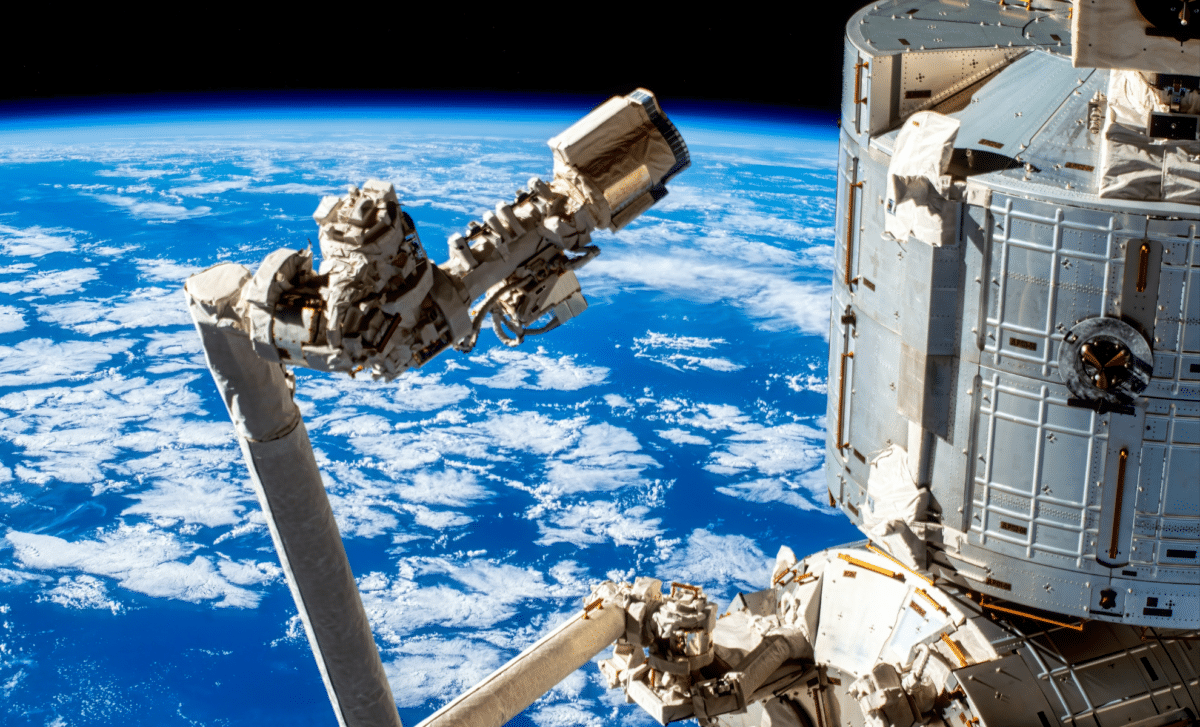
NASA’s recent decision to appoint Voyager Technologies for its seventh private astronaut mission highlights the agency’s growing support for private sector involvement in space exploration, heralding a new chapter in human spaceflight.
NASA’s Progressive Move Toward Commercial Space Habitats
NASA has taken a major stride in the expanding commercial space sector by choosing Voyager Technologies to lead the seventh private astronaut mission to the International Space Station (ISS). Planned for launch no sooner than 2028, this mission represents a critical milestone in NASA’s strategy to nurture a flourishing commercial space ecosystem. Voyager’s involvement not only strengthens NASA’s ties with private enterprises but also sets the stage for a future where multiple commercial companies actively operate in orbit. This milestone could significantly reshape space exploration and usher in a fresh era for space development.
The Importance of Private Crewed Missions in NASA’s Future Plans
Private crewed missions are a vital part of NASA’s overarching plan to extend human presence in space. By awarding Voyager Technologies this mission, NASA aims to speed up innovation in technologies and industries that will redefine space exploration’s trajectory. As NASA Administrator Jared Isaacman commented, “Private astronaut missions are accelerating the growth of new ideas, industries, and technologies that strengthen America’s presence in low Earth orbit and pave the way for what comes next.” Rather than just ferrying astronauts to the ISS, these missions constitute a foundational step towards establishing a sustainable commercial space market.

NASA envisions a thriving space economy with contributions from government agencies and private firms alike, fostering a durable and dynamic low Earth orbit environment. Collaborations with companies like Voyager open pathways to technological breakthroughs essential for forthcoming deep space explorations, including missions to the Moon and Mars.
Voyager’s VOYG-1 mission will bring up to four astronauts to the ISS for stays lasting up to 14 days. NASA and its international collaborators will oversee the selection and training of the crew ahead of launch. This mission also intends to boost private mission cadence, aiming for continuous staffing and operations aboard the station. It’s a bold advance toward making space more accessible and setting the groundwork for commercial space stations becoming standard.
Growing Contributions from Commercial Space Enterprises
Voyager Technologies, deeply embedded within the aerospace sector, will not just transport astronauts but also procure vital support services from NASA. These services include supplying crew necessities, handling cargo delivery, providing storage, and facilitating the return of delicate scientific samples that require cold storage during transit to Earth. This partnership highlights the essential role of commercial providers within NASA’s vision for a sustainable space infrastructure.
“This award reflects decades of partnership with NASA and validates our belief that the infrastructure being built in low Earth orbit today is the launchpad for humanity’s future in deep space,” stated Dylan Taylor, Voyager Technologies’ chairman and CEO. For Voyager, this mission caps years of dedication, progressing from involvement in the ISS’s first commercial airlock development to spearheading private astronaut flights.
As firms like Voyager increasingly shape the space economy, NASA gains new capabilities and momentum. Each mission drives technological progress toward making human space travel more sustainable and efficient. The alliance between NASA and Voyager is just the beginning of an exhilarating phase of private-sector-led space discovery.
NASA’s Plan for a Dynamic and Sustainable Orbital Economy
NASA’s dedication to partnering with private companies to broaden human operations in low Earth orbit is evident. Through initiatives such as the Commercial Crew Program and private crewed missions, the agency is constructing a foundation for orbital facilities to be managed and operated by commercial entities. This transition will not only encourage innovation but also expand opportunities for research, tech development, and global cooperation.
Voyager’s upcoming VOYG-1 mission illustrates NASA’s confidence in the transformative potential of commercial space ventures. This effort is integral to establishing an orbital economy capable of supporting both governmental and private activities. As orbital platforms transition from government stewardship to commercial operation, NASA is actively facilitating a smooth and sustainable evolution.
- Categories:
- Nasa









0 comments
Sign in to Comment