
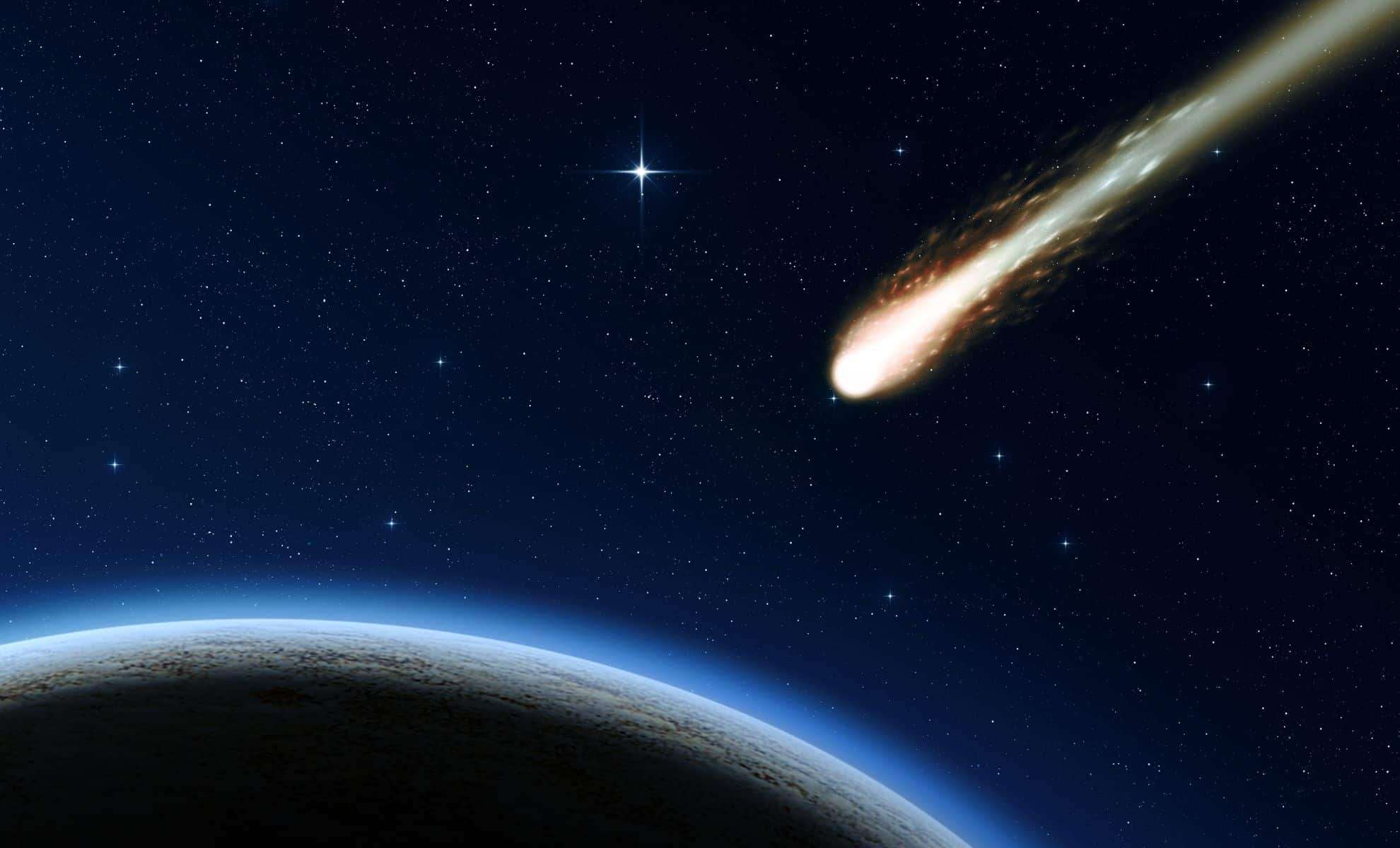
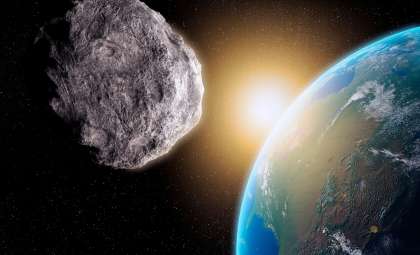
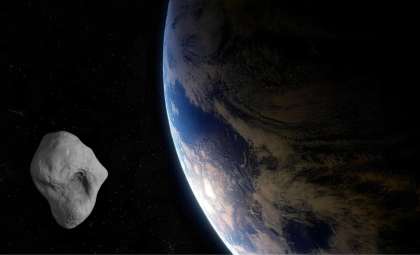
On May 9, 2025, a colossal asteroid comparable in size to a sports stadium will safely pass by our planet. Known as asteroid 2002 JX8, this space rock has been closely observed by astronomers, and while it poses no danger, it will come within a remarkable proximity to Earth.
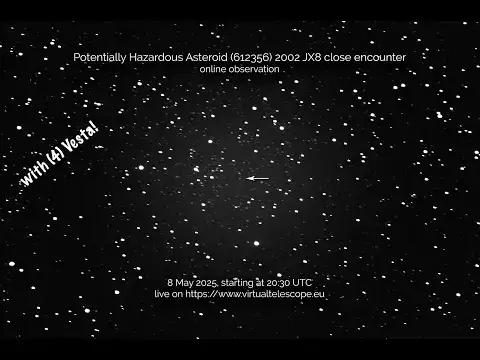
The Virtual Telescope Project is set to broadcast this extraordinary event live, allowing viewers worldwide to witness the asteroid’s journey across our skies. The trajectory data initially shared by NASA offers detailed insights, and you can find more on their official webpage.
Getting to Know Asteroid 2002 JX8
Classified as a potentially hazardous asteroid due to its size and orbital path, 2002 JX8 measures approximately 950 feet (290 meters) in diameter—about the length of a large stadium.

Astronomers keep a close watch on these near-Earth objects to ensure safety. The Virtual Telescope Project has been capturing detailed visuals as the asteroid approaches, offering a rare glimpse of this cosmic visitor.
Its nearest point occurs at roughly 4.2 million kilometers (2.6 million miles), about 11 times the distance between Earth and the Moon—comfortably distant and risk-free. The event will happen on May 9, 2025, and enthusiasts can tune in via the Virtual Telescope Project’s YouTube live stream from home.
Why Is 2002 JX8 Labeled Potentially Hazardous?
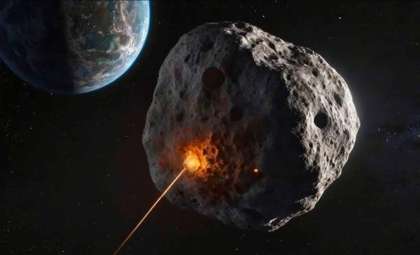
Objects like 2002 JX8 fall under the potentially hazardous category due to their size exceeding 140 meters and their orbital paths bringing them near Earth, specifically within 0.05 astronomical units (about 4.6 million miles). Despite the classification, this asteroid’s trajectory ensures it won’t pose a threat. NASA’s Center for Near-Earth Object Studies (CNEOS) actively monitors such bodies to maintain Earth’s safety.
NASA’s vigilant observation of near-Earth asteroids (NEAs) prevents unexpected encounters. There are around 4,700 known potentially hazardous asteroids tracked in our solar system, yet the probability of impact remains extremely low. For perspective, an asteroid about 140 meters (500 feet) collides with Earth roughly every 20,000 years, and a larger one about 1,000 meters (3,000 feet) strikes about every 700,000 years.
Why Watching the Flyby Matters
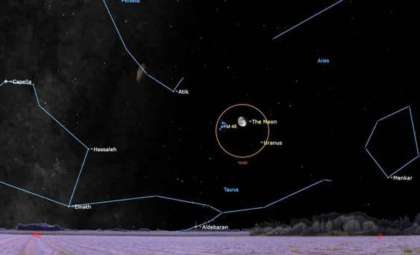
The asteroid’s motion across the night sky will be shown live thanks to the Virtual Telescope Project’s continuous tracking of 2002 JX8. The livestream will provide real-time views of this celestial neighbor.
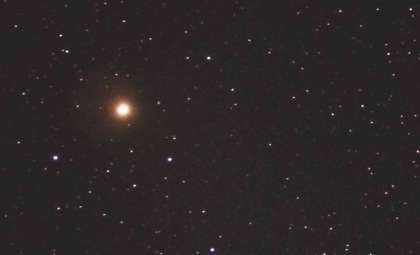
Viewers will also have a chance to observe Vesta, a bright asteroid that recently reached opposition on May 2, adding to the rare viewing opportunity as both objects appear in the sky together.
NASA’s Contributions to Asteroid Science
The Wide-field Infrared Survey Explorer (WISE) mission has been instrumental in discovering and analyzing thousands of asteroids, including 2002 JX8. This data helps scientists evaluate potential asteroid threats and strategize planetary defense measures.
NASA’s Planetary Defense Coordination Office (PDCO) focuses on identifying objects that might potentially threaten Earth and improving our understanding of solar system dynamics.
Studying asteroids like 2002 JX8 and Vesta also sheds light on the early solar system since these primordial bodies have remained mostly unchanged for billions of years, unlocking secrets about our cosmic origins while safeguarding our planet.
Advancing Monitoring and Exploration Efforts
The May 9 flyby highlights the ongoing importance of asteroid observation and space research. Although the immediate risk of collision is low, monitoring near-Earth objects (NEOs) remains vital as technology improves for planetary protection.
NASA’s efforts in tracking and studying these objects ensure humanity stays prepared against future threats.
With increased global collaboration on planetary defense, following asteroids like 2002 JX8 enables both scientific discovery and risk mitigation. Meanwhile, organizations such as the Virtual Telescope Project offer valuable opportunities to witness these extraordinary events live.
- Categories:
- News

0 comments
Sign in to Comment