
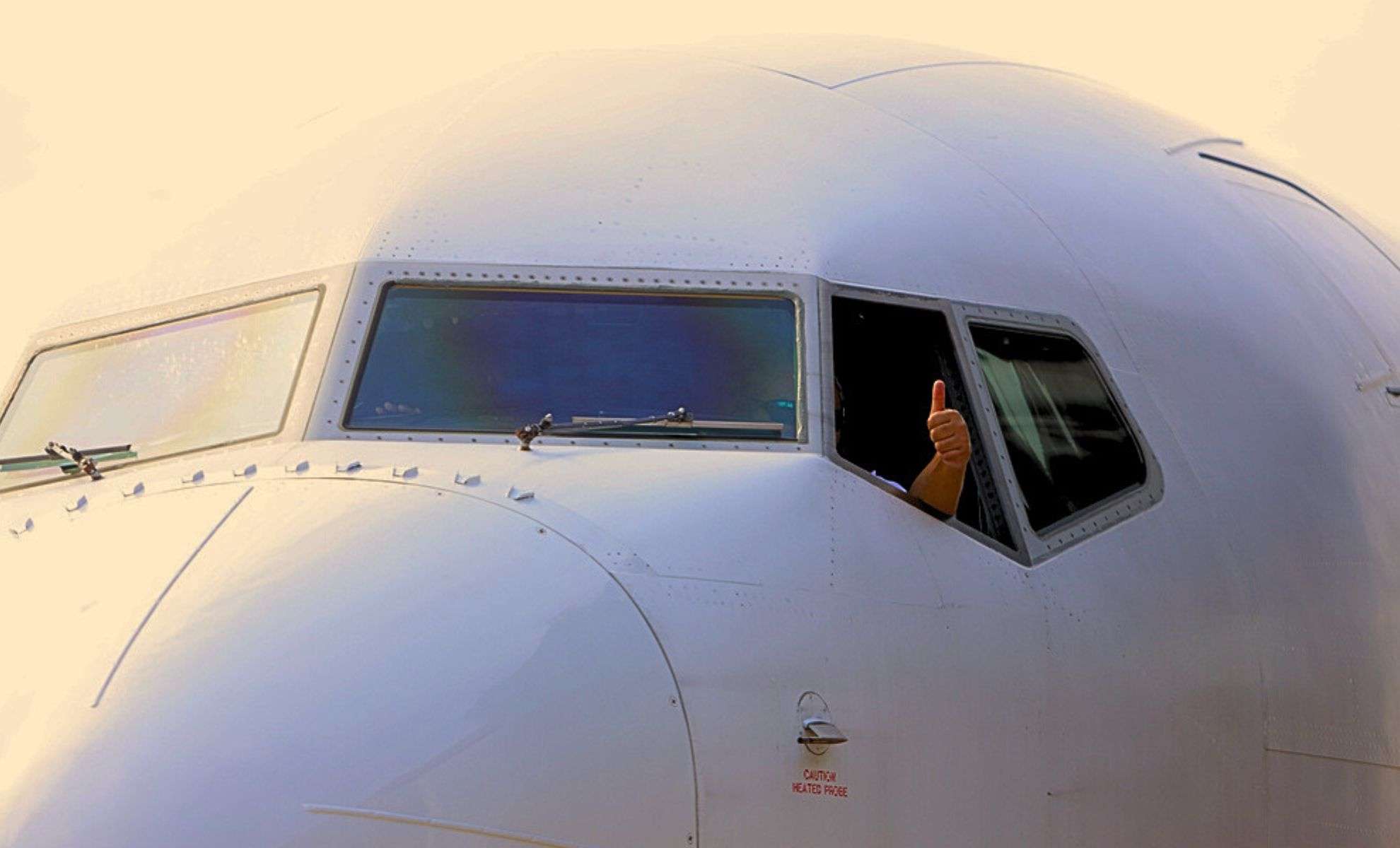
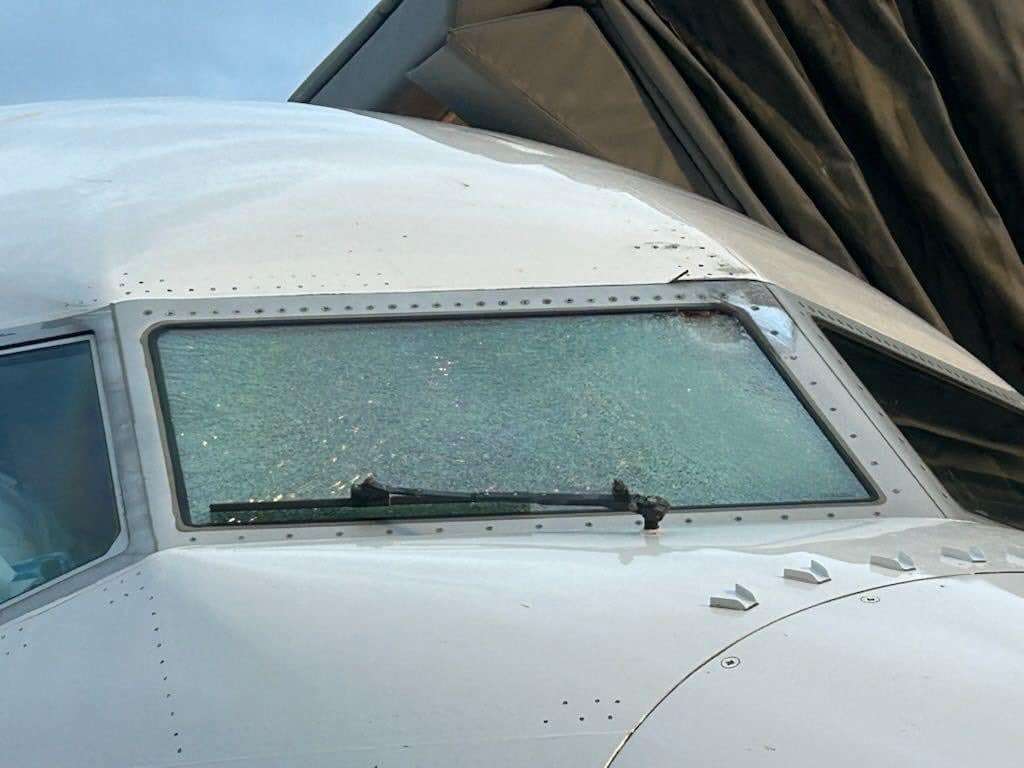
Flying at an altitude of 30,000 feet (9,000 meters) above southern Utah, a United Airlines Boeing 737 Max 8 was unexpectedly struck by an unidentified object, turning an ordinary flight into a puzzling event. On October 16, Flight UA1093, en route from Denver to Los Angeles, had to be diverted to Salt Lake City after the cockpit windshield was severely cracked, and one pilot sustained minor injuries.
Thanks to the aircraft's robust reinforced glass, a sudden loss of cabin pressure was avoided. However, this incident sparked widespread curiosity about the object that hit the plane. Dramatic images of the damaged windshield circulated online, and early cockpit reports mentioned possible space debris, given that the collision occurred well above bird flight paths and in clear weather. The precise nature of the striking object remained unknown.
Speculations quickly emerged, with some suggesting micrometeorites or fragments from defunct satellites—both uncommon yet possible hazards. But as more information became available, experts started focusing on a more down-to-earth explanation: a weather balloon.

Unexpected Impact from a Weather Balloon
On October 21, John Dean, CEO and co-founder of WindBorne Systems, publicly identified the object as probably one of his company’s high-altitude weather balloons. He shared a statement on X (formerly Twitter), saying, “Yes, I believe it was a WindBorne balloon,” and disclosed that an internal investigation had been launched, with findings forwarded to both the NTSB and FAA.
Hi Scott, cofounder/CEO of @WindBorneWx here. Yes, I think this was a WindBorne balloon. We learned about UA1093 and the potential that it was related to one of our balloons at 11pm PT on Sunday and immediately looked into it. At 6am PT, we sent our preliminary investigation to…
— John Dean (@johndeanl) October 21, 2025
WindBorne’s lightweight balloons, each weighing roughly 2.6 pounds (1.2 kilograms), are used to gather high-resolution atmospheric measurements for meteorological and scientific purposes. Their fleet, known as WindBorne Atlas, operates in international airspace, delivering live tracking data through the proprietary system WindBorne Live. The company asserts that their operations fully comply with FAA regulations and that they notify relevant authorities about flight paths to minimize risks.
Despite these precautions, this event exposed an unexpected vulnerability. The balloon only cracked the aircraft’s windshield, avoiding cabin pressure loss, yet raised concerns about assumptions regarding the safety of such devices. In an interview with Ars Technica, WindBorne emphasized that their balloons are “so lightweight that they would not cause significant damage.” Still, the physical evidence and reported injuries tell a different story.
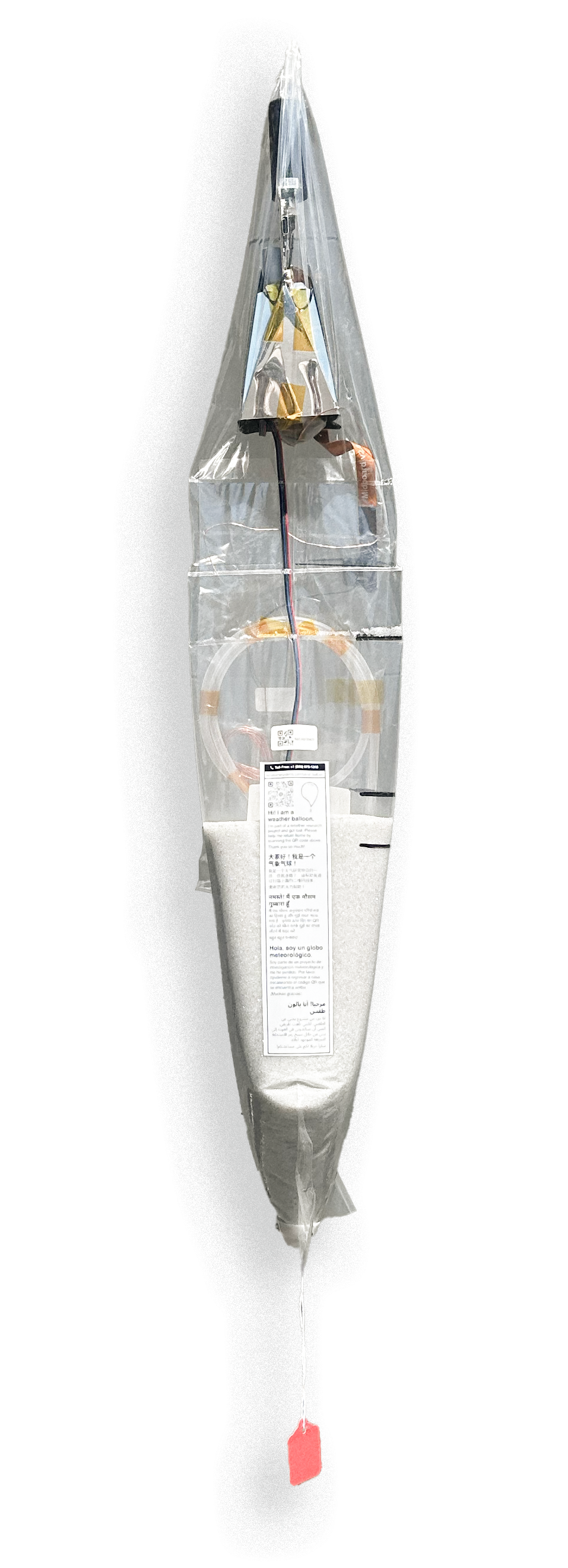
Dean later acknowledged the incident as “deeply troubling and unacceptable,” and stated that WindBorne is exploring new materials and balloon designs to lessen any potential future impact forces.
Increasing Congestion and Safety Challenges in High-Altitude Airspace
While aircraft collisions with weather balloons are exceedingly rare, high-altitude airspace is increasingly congested. Jonathan McDowell, an astrophysicist at the Harvard-Smithsonian Center for Astrophysics, commented on X that the evidence points to a balloon strike rather than space debris, confirming that SpaceX satellites and other orbital equipment were eliminated as causes through tracking data. He noted, “Physical damage from such objects is extremely uncommon, but not impossible.”
The use of unmanned atmospheric instruments like balloons, probes, and test payloads has grown substantially in recent years, regularly intersecting the paths of commercial airliners. Many such devices operate without transponders or collision-avoidance systems. The European Space Agency (ESA) tracks over 34,000 objects larger than 10 centimeters orbiting Earth, with countless smaller and untracked items populating near-Earth space. Even within the lower stratosphere, congestion is on the rise.
Current aviation monitoring systems aren’t fully capable of detecting or responding to slow-moving, low-mass balloons at cruising altitudes. While FAA guidelines require coordination of such devices, continuous real-time monitoring is not mandatory. As atmospheric platforms multiply for meteorological, defense, and environmental objectives, the line between legal compliance and safety grows increasingly blurred.
The FAA and National Transportation Safety Board continue to analyze radar, flight logs, and physical evidence from the incident. No satellite debris or meteorite fragments have been recovered. Data from WindBorne's tracking correspond closely with the time and location of Flight UA1093, supporting the company’s statement.
The Boeing 737 Max remains on the ground for repairs. Fortunately, there were no passenger injuries, and the canceled flight successfully continued aboard a replacement plane. This incident sheds light on the complex and sometimes overlooked risks posed by the diverse objects sharing our skies.
- Categories:
- News










0 comments
Sign in to Comment