
A surprising breakthrough in the tech world has captured the attention of both industry insiders and policymakers. Recently, a landmark innovation has surfaced from Asia’s rapidly evolving electronics sector, marking a major achievement for one of the region’s leading firms. This development unfolds amid ongoing conversations about technological independence and the realignment of global semiconductor dominance.
Xiaomi Launches Sophisticated Xring 01 Processor
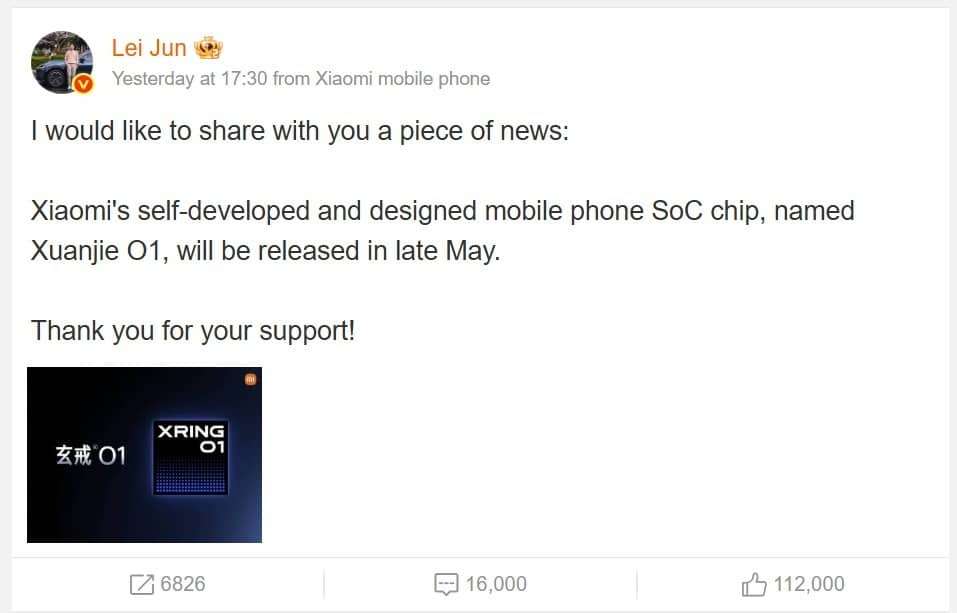
On May 22, Xiaomi, headquartered in Beijing, introduced its inaugural flagship processor, the Xring 01, during a special presentation. This chip is engineered to rival top-tier competitors like Qualcomm and Apple, according to The Verge.
The development took four years and involved over 2,500 engineers, backed by an investment totaling 13.5 billion yuan (around 1.67 billion euros). Lei Jun, Xiaomi’s founder and CEO, referred to the chip as “the culmination of four years of effort,” emphasizing its role as a foundational piece of a wider tech strategy.

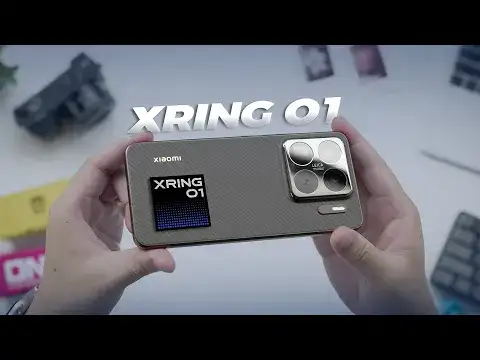
The Xring 01 is integrated into Xiaomi’s latest premium devices, such as the Xiaomi 15S Pro smartphone and the Xiaomi Pad 7 Ultra tablet. The company has announced plans to allocate an extra 6 billion euros over the next ten years toward expanding its semiconductor capabilities, underscoring its commitment to innovation and proprietary design.
Innovative Design and Performance Raise Industry Standards
Produced by Taiwan Semiconductor Manufacturing Company (TSMC) using a 3-nanometer fabrication process, the Xring 01 utilizes cutting-edge technology comparable to the latest Apple chips. Based on a licensed ARM architecture, the processor boasts a ten-core configuration, organized into four clusters to balance power and efficiency.
The chip includes two high-speed Cortex-X925 cores running at 3.9 GHz for demanding tasks. Additionally, four Cortex-A725 cores operate at 3.4 GHz and two more at 1.9 GHz to handle heavy and moderate workloads respectively, while two Cortex-A520 cores running at 1.8 GHz focus on conserving energy.
Early benchmark tests show the Xring 01 matches or surpasses the performance of Qualcomm’s Snapdragon 8 Elite and Apple’s A18 Pro processors. This marks a major leap forward for Xiaomi, whose earlier semiconductor effort, the Surge S1, was introduced in 2017 and offered more limited capabilities.
Official Chinese Endorsement Underlines Strategic Importance
The chip’s release has earned notable praise from the Chinese government, an uncommon endorsement that reflects the broader significance of the Xring 01 beyond commercial boundaries. China is intensifying its quest for semiconductor autonomy amid persistent geopolitical strains with the United States.
US-imposed sanctions have curtailed access for Chinese companies to advanced manufacturing technologies, challenging competitors like Huawei, who have had to lean on domestic fabs such as SMIC, which currently operate on less advanced processes above 7 nanometers.
Although Xiaomi still outsources production to TSMC, the company is reportedly planning strategic alternatives in light of possible future US export controls. The debut of the Xring 01 signifies China's strides in closing the tech gap with world semiconductor frontrunners and highlights the increasing influence of Chinese innovation on the global technology stage.











0 comments
Sign in to Comment