

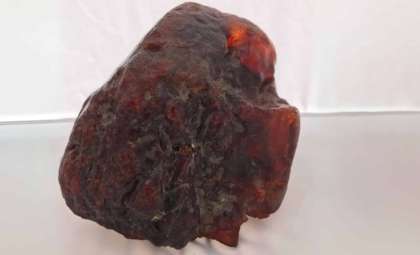
Amber from Ecuador’s Amazon rainforest, dating back 112 million years, has revealed an extraordinary glimpse of prehistoric life. Detailed in a study published in Nature Communications Earth & Environment, these ancient samples provide insights into the diverse ecosystems of the supercontinent Gondwana, when South America remained united with other southern landmasses.
Frozen Insects Portray a Primeval Rainforest
This discovery dates to a period prior to the uplift of the Andes and before the Amazon River started shaping the landscape. The amber originated from sticky resin exuded by Araucariaceae conifers, relatives of today’s monkey puzzle trees, which trapped small insects and fragments of plants as they hardened.
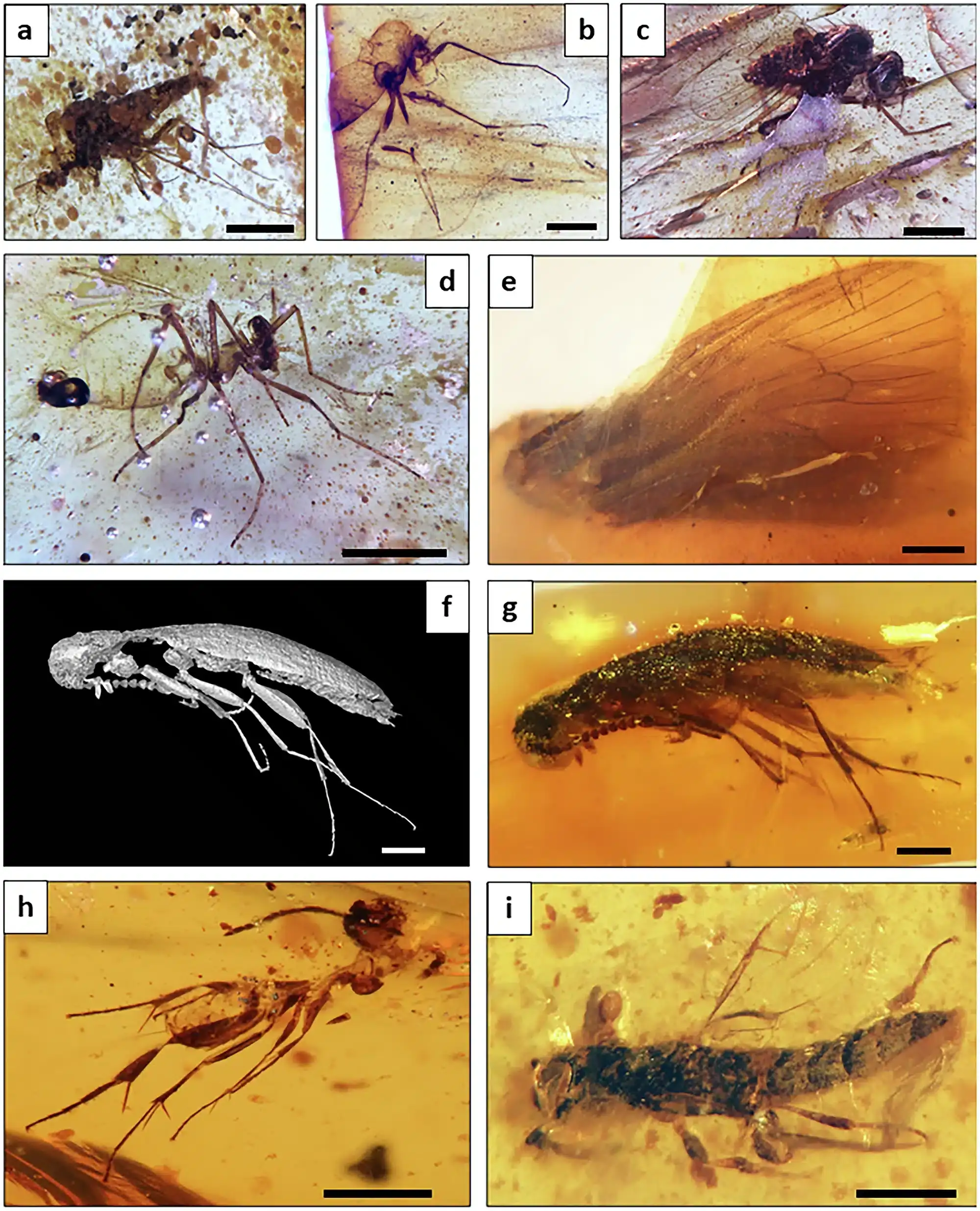
Functioning as a natural preservation chamber, the research team investigated 60 amber specimens, uncovering 21 bioinclusions spanning at least five insect orders: Diptera, Coleoptera, Hymenoptera, Trichoptera, and Hemiptera. “Mainly chironomid and ceratopogonid flies were identified alongside springtails, beetles, wasps, caddisflies, true bugs, and a fragment of a spider web,” detailed Enrique Peñalver from the IGME in Valencia.

Among the remarkable finds was an extinct wasp family, Stigmaphronidae, suggesting the habitat was a wet, freshwater rainforest. Unlike other Cretaceous fossil discoveries, there was no sign of wildfire activity in this site.
Flora and Spores Depict the Ecosystem
Beyond amber, sediment from ancient rivers and lakes—known as fluvial-lacustrine deposits—contained pollen, spores, and fossil leaf fragments from ferns, cycads, and some of Earth’s earliest flowering plants. These findings collectively map out a dense and varied forest environment.
“All evidence points to a humid, wooded, and species-rich ecosystem with the oldest recorded angiosperm leaf association in northwestern South America,” stated Professor Xavier Delclòs, lead investigator of the research.
Carlos Jaramillo of the Smithsonian Tropical Research Institute noted the sediment also preserved pteridophytes (ferns and relatives), Araucariaceae and Cheirolepidiaceae conifers, cycads, and early flowering plants, together with fungi growing on the resin itself, including fungal species.
Amber Chemistry Influenced by Ancient Petroleum
The amber appeared in two varieties: one type formed below ground near tree roots, lacking inclusions, and another formed above ground that preserved trapped organisms.
According to César Menor Salván from the University of Alcalá, the amber has been “chemically matured and modified through exposure to oil,” linked to the nearby Hollín Formation, a current petroleum reservoir. Despite this alteration, the amber maintained superb preservation of organic structures, highlighting amber's effectiveness as a fossilizing agent.
Caught Before Continental Drift
The research team emphasized, “This work establishes a new baseline for understanding equatorial ecosystems during the Cretaceous and their biogeographic links as modern continents separated from Gondwana.”
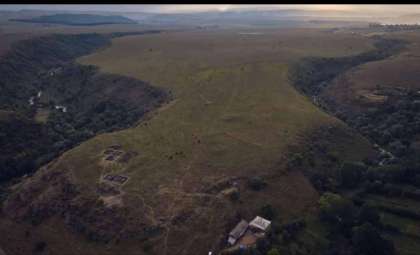
Monica Solórzano Kraemer from the Senckenberg Natural History Museum explained that ongoing excavations at the Genoveva site could clarify connections between South American biodiversity and that of Antarctica, Australia, and South Africa, which have also yielded Cretaceous amber. With only a fraction of amber samples examined, scientists anticipate uncovering many more ancient organisms in the future.
- Categories:
- News





0 comments
Sign in to Comment