
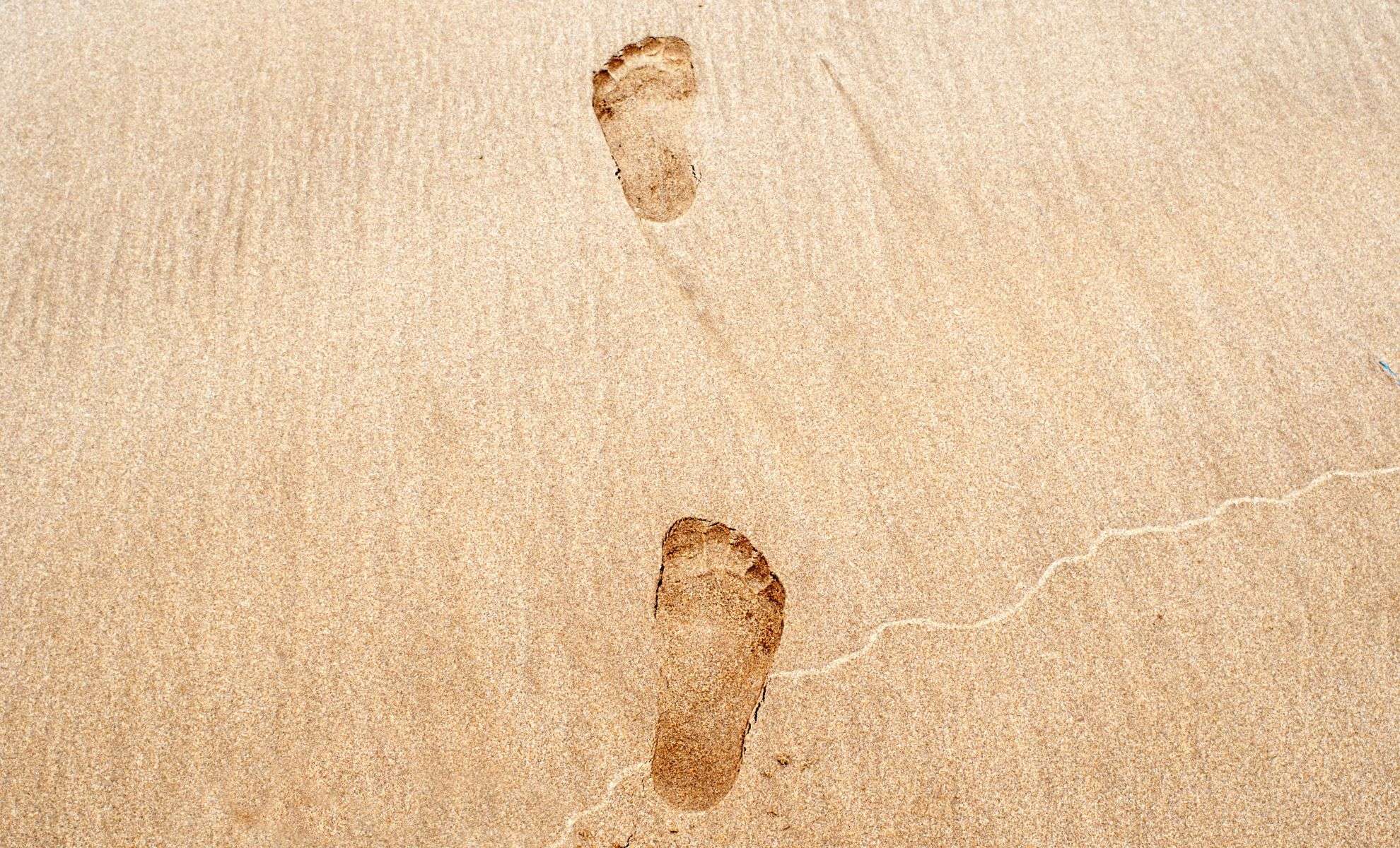
Archaeologists in northern Saudi Arabia have discovered remarkable human footprints estimated to be around 115,000 years old. These ancient tracks, uncovered in the dried lakebed of the Nefud Desert, were detailed in a recent study published in Science Advances, providing new evidence on early human movements and life prior to the Ice Age.
A Remarkable Paleoanthropological Find
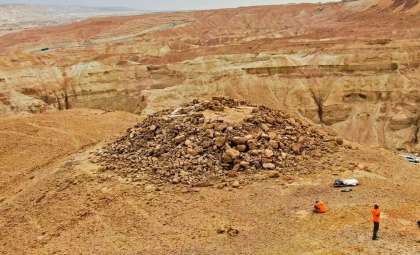
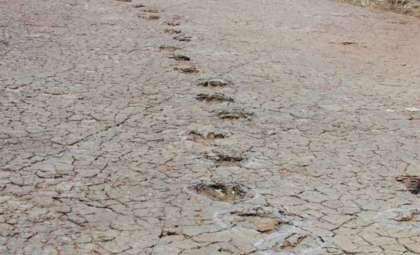
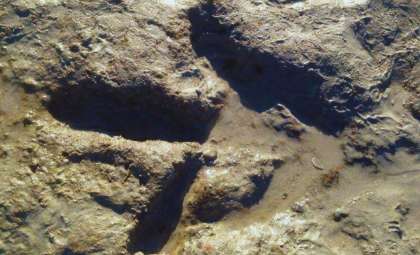
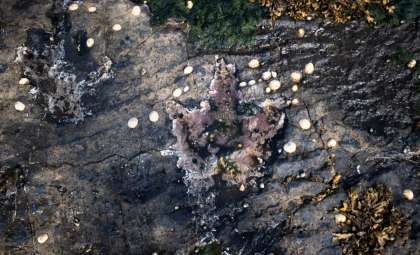
During a 2017 expedition in the Alathar Lake area of the Nefud Desert, researchers identified seven distinct footprints preserved in hardened mud, some clearly linked to early humans. These well-preserved fossilized imprints are not only the oldest human tracks discovered on the Arabian Peninsula but also have the potential to reshape current theories about ancient human dispersals.
An Unexpected Oasis in the Desert
Although the Nefud Desert is currently inhospitable and dry, during the last interglacial period around 115,000 years ago it was a flourishing environment. Researchers believe the site once hosted a vibrant lake ecosystem that supported a range of wildlife and human populations. Alongside human footprints, tracks of large animals such as elephants, camels, and antelopes were found, illustrating the area's role as a center of biodiversity.

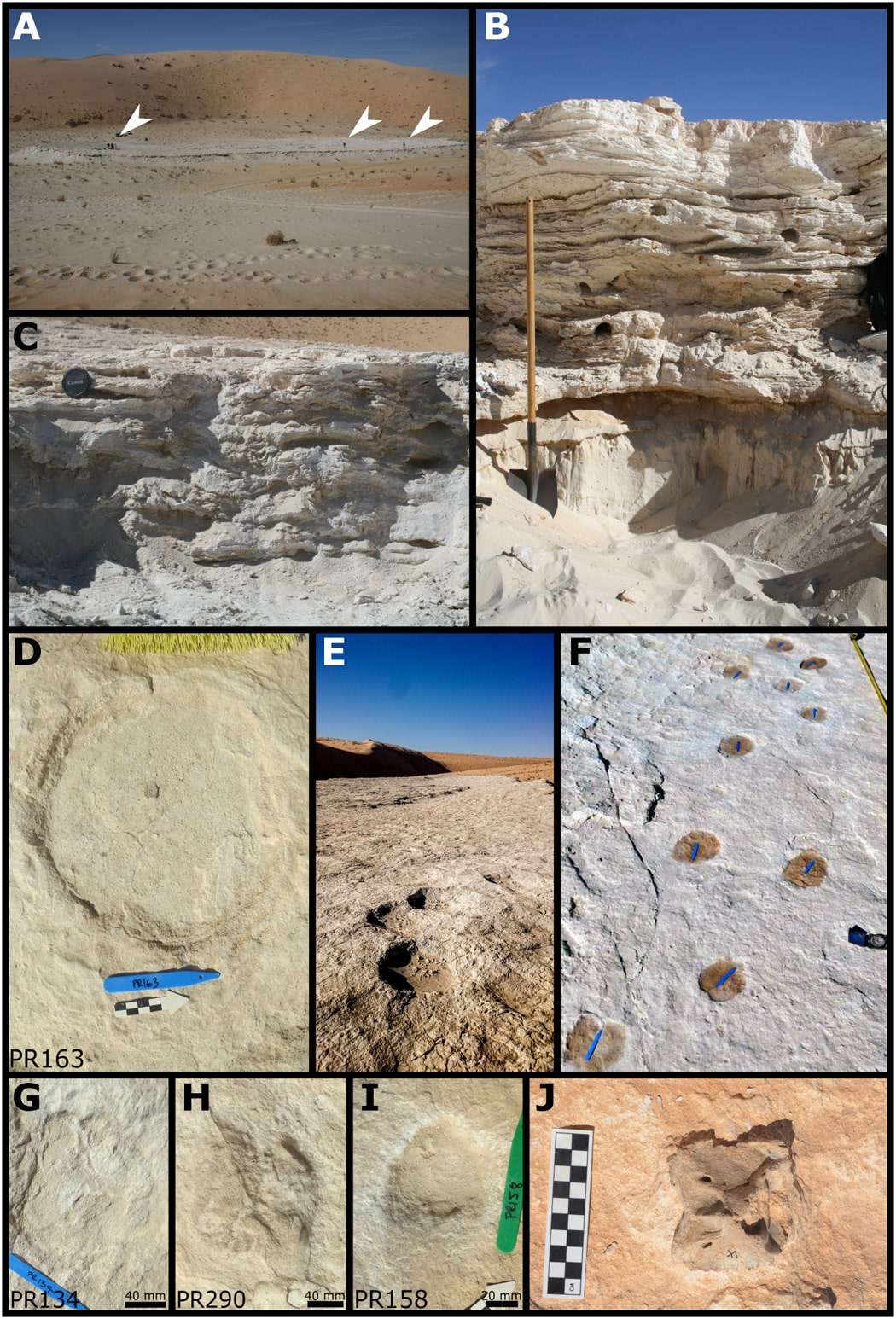
Tracing the Origins of the Footprints
Analysis suggests the footprints were left by Homo sapiens, based on their dimensions and form. Neanderthals were excluded as the responsible group due to the absence of their signs in this region from that era. This evidence supports the idea that early modern humans traveled through Arabia, possibly as part of their migration route out of Africa.
“Seven hominin footprints were confidently identified and, given the fossil and archaeological evidence for the spread of H. sapiens into the Levant and Arabia during the era 130,000 to 80,000 years ago, and absence of Homo neanderthalensis from the Levant at that time, we argue that H. sapiens was responsible for the tracks at Alathar,” explained the team of research.
Why Were Early Humans at the Lake?
The lack of discovered hunting tools or related artifacts suggests these early visitors to the lake were transient, likely stopping only to drink water. The brief nature of their stay indicates they were passing through rather than settling, adapting their movements to survive in an unfamiliar climatic zone.
Scientists propose that these hominins were traveling through a temperate zone shortly before the onset of the Ice Age. “The lack of archaeological evidence suggests that the Alathar Lake was only briefly visited by people,” researchers noted.
A Glimpse into a Pre-Ice Age Habitat
The footprints provide a unique window into the environment preceding Ice Age conditions. This region was covered with abundant vegetation and supported numerous animal species, contrasting sharply with the present-day desert landscape. Fossilized remains and various animal tracks found near the site confirm a rich ecosystem that early humans encountered and adapted to.
Understanding the landscape and climate that early humans faced during this crucial period enhances our knowledge of their survival strategies and the climatic transitions before the Ice Age.
- Categories:
- Science






0 comments
Sign in to Comment