
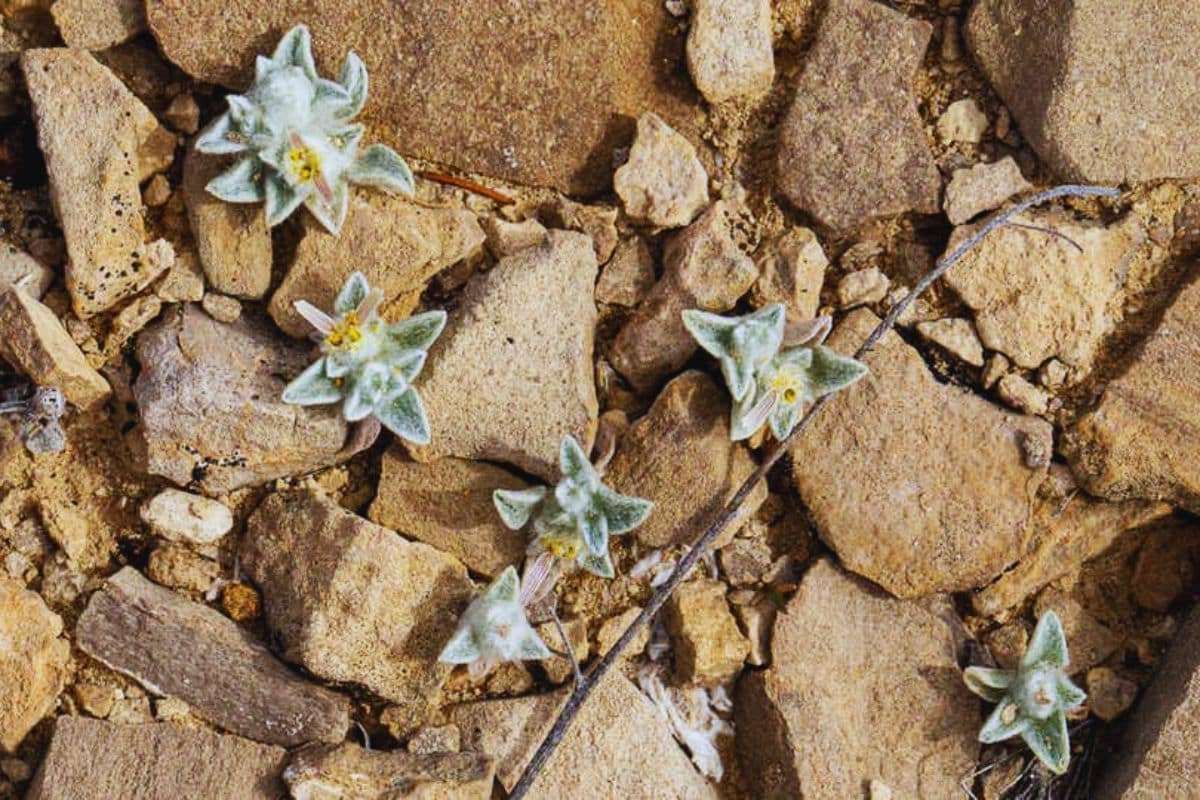
Researchers have uncovered a previously unknown sunflower species, Ovicula biradiata, within Texas's Big Bend National Park. This remarkable find, credited to a dedicated park volunteer, represents the first entirely new plant genus reported in a U.S. national park in nearly fifty years. Nicknamed the “wooly devil,” this intriguing plant enriches the biodiversity of the Chihuahuan Desert, a landscape already famous for its diverse desert life.
Unveiling the Wooly Devil
In March 2024, Deb Manley, a volunteer at Big Bend National Park, spotted the wooly devil for the first time. She uploaded photos of the unusual flower to iNaturalist, a popular platform for citizen scientists. Specialists then confirmed that this small, hairy flower belonged to a completely new genus and species.
Its unique look and rapid blooming following rainfall quickly captured the attention of botanists and nature enthusiasts alike. Such discoveries are uncommon, particularly in highly studied areas, highlighting the significance of this addition to both local ecology and scientific knowledge.

The species' name, Ovicula biradiata, references its distinct features. “Ovicula” means “little sheep,” alluding to the wool-like fuzz on its leaves, while “biradiata” describes the presence of two ray florets per flower.
Survival Strategies in an Extreme Habitat
Big Bend National Park is characterized by its stark desert environment. Situated within the Chihuahuan Desert, one of North America’s largest warm deserts, it hosts many species adapted to harsh climate conditions. The wooly devil thrives in the park’s rocky and dry soils, flowering only after sufficient rain briefly transforms the desert.
A recent article in PhytoKeys explains, “Desert plants often evolve specialized traits to endure extreme drought followed by sudden downpours—ranging from water retention features to rapid life cycles triggered by rain,” noted Isaac Lichter Marck, co-author of the study.
A Remarkable Addition to Botanical Science
The identification of Ovicula biradiata is notable not just for expanding botanical taxonomy but also for demonstrating that even extensively explored natural areas hold mysteries awaiting discovery.
Since the last new genus was documented in a U.S. national park—in Death Valley back in 1976—this revelation highlights the value of ongoing ecological studies in known habitats.
“Many assume that the plants and animals within our country’s national parks have probably been documented by now, scientists still make surprising new discoveries in these iconic protected landscapes,” said the plant taxonomist at the California Academy of Sciences.
Threats from Climate Shifts
Despite its desert-honed adaptations, the wooly devil faces risks from changing climate patterns. Species like Ovicula biradiata are especially susceptible to fluctuations in temperature and precipitation.
So far, the flower has been found only in a few isolated spots in the northern area of Big Bend, making it particularly vulnerable to environmental changes. Scientists are concerned that the wooly devil may vanish before its full biological and ecological profile is understood.
Exploring Medicinal Potentials
The wooly devil might hold promise beyond ecology, offering clues about the therapeutic potential of desert flora.
Preliminary research has identified glandular features on the plant that are similar to those in other sunflower relatives known to produce anti-cancer and anti-inflammatory compounds.
Should further studies verify these effects, this newly discovered plant could become a key subject in the development of natural medicinal treatments.
Protecting rare plants like the wooly devil is essential not only to maintain biodiversity but also to preserve resources that could benefit human health.
- Categories:
- Science












0 comments
Sign in to Comment