
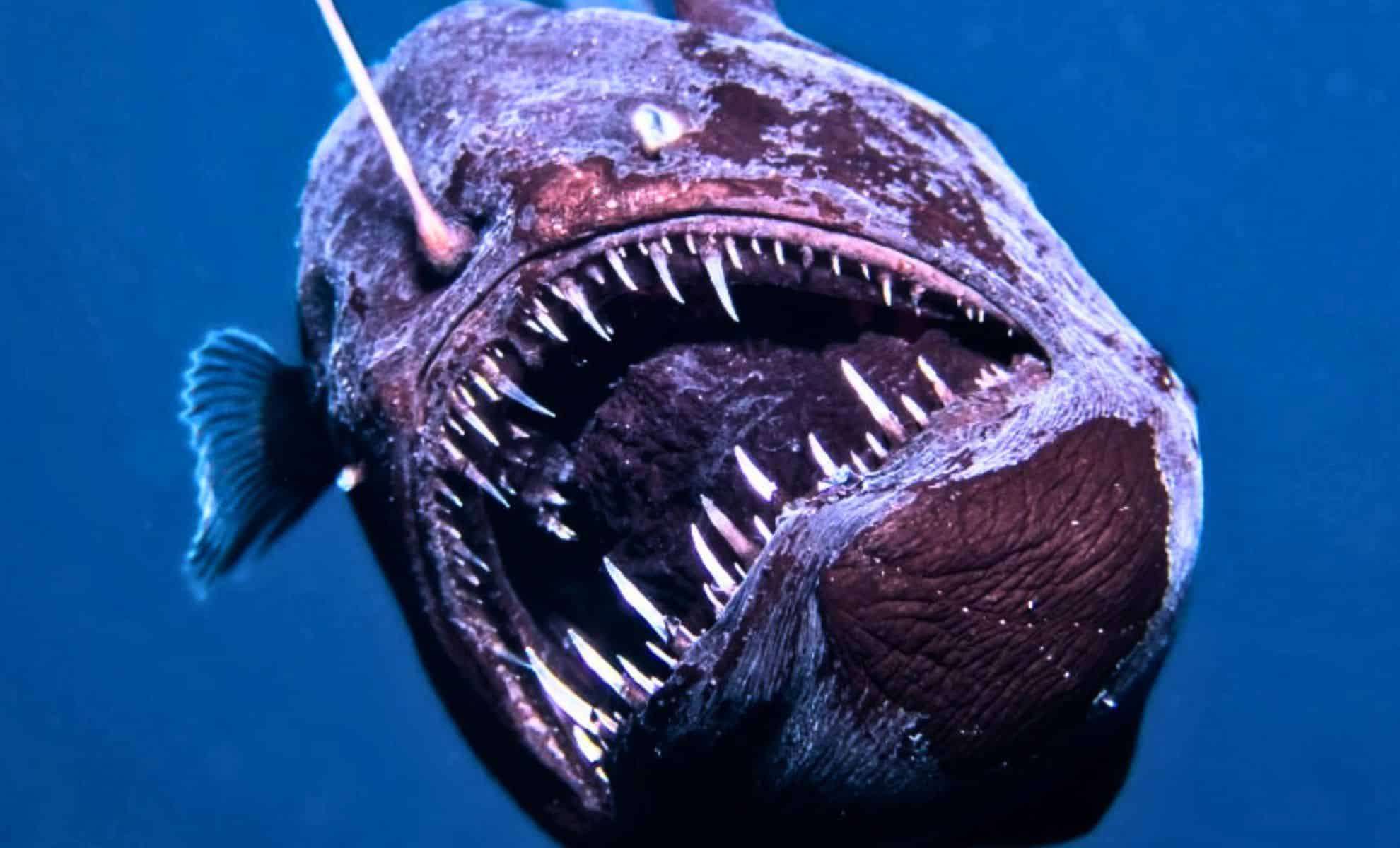
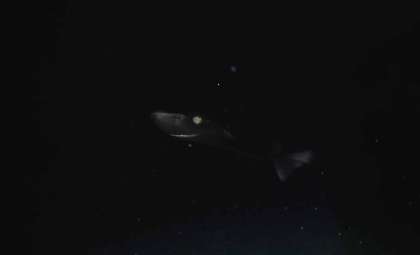
Near the coast of Tenerife, an extraordinary sighting has stunned marine scientists: a rarely observed deep-sea inhabitant, the Melanocetus johnsonii—also called the black sea devil—was unexpectedly captured on camera swimming close to the ocean's surface. This occurrence is possibly the first documented instance of such behavior.
The eerie video, obtained by the NGO Condrik Tenerife, has ignited interest and intrigue among oceanographers and marine enthusiasts, prompting questions about what might have caused this deep-dwelling predator to appear so far above its usual environment.
A Unique Window into a Deep-Sea Predator
The black sea devil belongs to the family of deep-sea anglerfish, renowned for their impressive ambush tactics. Characterized by their large heads, sharp teeth, and glowing bioluminescent lures, these fish thrive in dark ocean depths ranging from 200 to 2,000 meters below sea level.

On January 26, near Guía de Isora on Tenerife’s western coast, an incredible event unfolded: a team observed and recorded this normally abyssal predator swimming vertically in daylight, a behavior never before witnessed in adult specimens.
Previous visual records of these fish have been limited to deceased examples, deep-submersible footage, or larval stages, but never a live adult near the surface. The video, posted on Instagram by Condrik Tenerife, quickly spread, captivating marine scientists around the world and marking a potential milestone for deep-sea research.
Researchers Seek to Understand This Unusual Behavior
One of the most intriguing aspects of this sighting is the question of why the black sea devil ventured close to the surface. These fish are adapted for life under intense pressure and complete darkness, making such an excursion highly atypical.
Experts are exploring multiple potential reasons, such as:
- Illness or environmental stress causing confusion
- Strong ocean currents lifting the fish upward
- Attempting to flee from a deep-sea threat
- Disruptions in deep-sea ecosystems or changing ocean conditions
These theories lead to broader questions: Could shifting climate patterns be impacting deep-sea habitats? Is this species being forced out of its usual environment due to altered oceanic flows?
Though no definitive answers have emerged, this rare occurrence offers a novel opportunity to study a deep-water species in an unprecedented context.
The Fish Now Under Scientific Examination
Sadly, the black sea devil did not survive the trip to the surface. Following its death, the specimen was taken to the Museum of Nature and Archaeology (MUNA) in Santa Cruz de Tenerife, where it will be subjected to thorough scientific evaluation.
This specimen grants researchers a valuable chance to investigate the anatomy and possible reasons behind its unusual appearance. By examining its tissues, stomach contents, and surrounding environmental data, scientists hope to uncover new insights.
A Mysterious Invitation to Explore the Ocean’s Unknown Realms
The haunting video of this rare deep-sea predator’s ascent continues to generate excitement and debate among marine biologists and enthusiasts. The ocean’s depths remain one of our planet’s most enigmatic and least explored areas, and moments like this highlight how much there still is to learn about life in the abyss.
- Categories:
- Science






0 comments
Sign in to Comment