
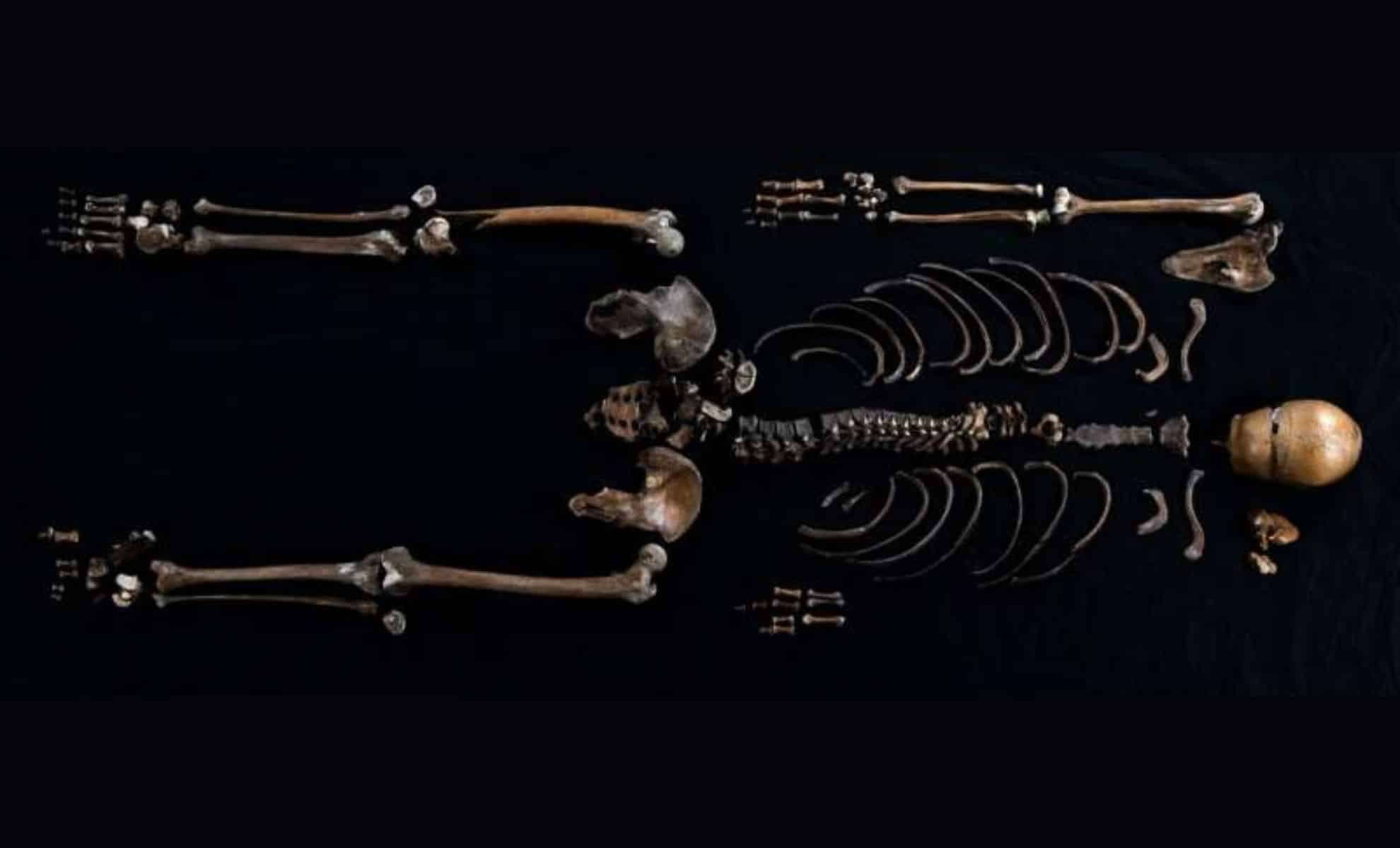
New DNA research on bones discovered in a well at Trondheim’s Sverresborg Castle sheds light on a medieval tale from the Sverris Saga.
The saga, dating from the 12th century, tells of King Sverre Sigurdsson and references a siege in 1197 where an enemy allegedly disposed of a corpse in the castle’s well to poison the defenders’ water. This tactic was used by the Baglers against Sverre’s followers, the Birkebeiner. Published in iScience, the investigation combines cutting-edge genomic science with archaeological discovery, offering a new link between Norse legends and modern scientific validation.
Insights from the Well at Sverresborg
The skeletal remains, uncovered in 1938 during archaeological digs at the castle, have undergone recent radiocarbon dating and DNA sequencing. Results indicate the individual likely died around the year 1197, coinciding with the saga’s timeline. According to the saga, assailants "took a dead man and cast him into the well, then filled it up with stones," hinting at a deliberate attempt to sabotage the water source during the attack. While researchers stop short of definitively identifying this skeleton as the saga’s “well-man,” the evidence aligns closely with the historical account. Evolutionary geneticist Michael D. Martin, who contributed to the study, remarked, “This is the earliest time that genomic approaches have been applied” to remains connected to medieval Norse literature, opening avenues for future studies integrating history and genetics.

DNA extracted from a tooth revealed the man was likely between 30 and 40 years old, with blue eyes and blond or light brown hair—traits typical of southern Norway’s Vest-Agder area. Since Vest-Agder was a Bagler bastion during that era, the individual could have been a Bagler fighter or a southern-born Birkebeiner defending the stronghold. This genetic evidence challenges the earlier assumption that he was a local defender from central Norway and illustrates how DNA can complicate historical understandings.
Genetic Data Illuminates Historical Allegiances
This research marks a notable achievement in archaeogenomics by directly linking physical remains to narratives found in Norse texts. While DNA studies have famously been applied to figures like King Richard III of England, connecting genomes to characters from Norse sagas remains rare. Co-author Michael D. Martin and his team celebrate this as the first tangible genetic confirmation of Norse saga descriptions, encouraging more interdisciplinary explorations. Yet, historian Roderick Dale from the University of Stavanger cautions that Norse sagas intertwine mythology and fact, describing them as “more propaganda than history”. Such context is important, as these stories were often crafted to bolster the reputation of ruling monarchs.
The genetic testing involved careful handling: part of the tooth was ground down—a non-reversible step—to avoid contamination from previous analyses. Although this process limits subsequent pathogen detection, it was necessary for reliable results. Co-author Dr. Martin Rene Ellegaard emphasized the importance of “balancing preservation with discovery”, noting that similar techniques could unlock the genetic secrets of other notable Norse figures if their remains are found, including those tied to legends such as Saint Olaf.
Uniting Genomics and Medieval Tales
This project highlights how genomic technology can validate aspects of historical texts that blend legend and reality. By anchoring the story of the Sverris Saga in genetic evidence, the researchers illustrate the power of combining science with literary and archaeological insights to deepen our knowledge of Norse history and culture. Their integrative approach offers a fresh lens on ancient events often complicated by subjective or politically motivated sources.
As the field of archaeogenomics advances, similar studies may soon shed light on additional individuals from Norse sagas, providing a richer, more nuanced view of medieval Scandinavian society. This groundbreaking research underscores the value of harmonizing historical records with genetic data to reveal hidden truths and connect us more intimately with the people behind these enduring legends.
















0 comments
Sign in to Comment