
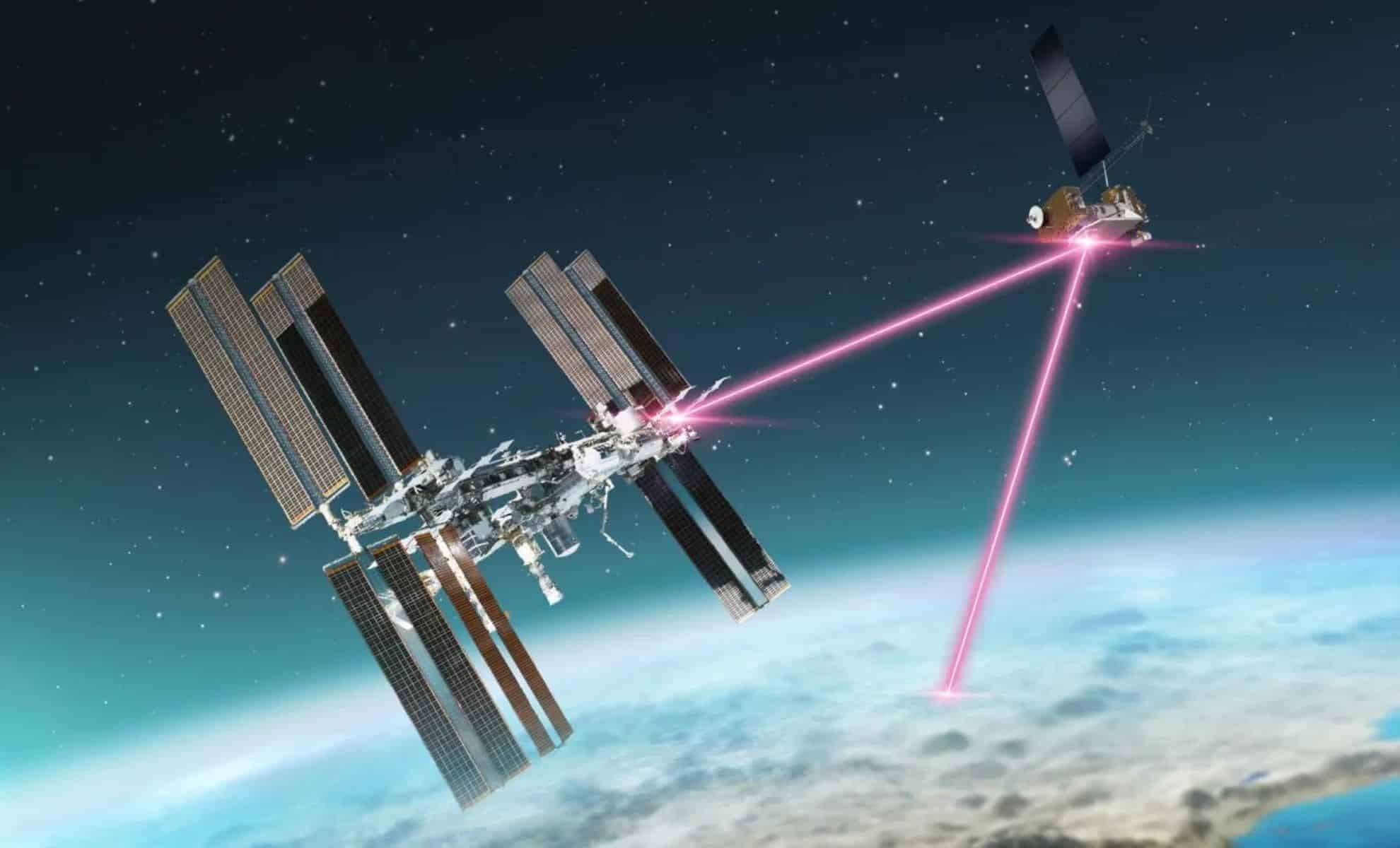
NASA has successfully tested an innovative method by transmitting 4K video between an aircraft and the International Space Station (ISS) using laser-based communication.
This accomplishment, carried out by experts at NASA’s Glenn Research Center, represents a major leap forward in high-speed data transfer, potentially unlocking live 4K video streaming for upcoming Artemis lunar missions.
Advancements in Optical Data Transmission
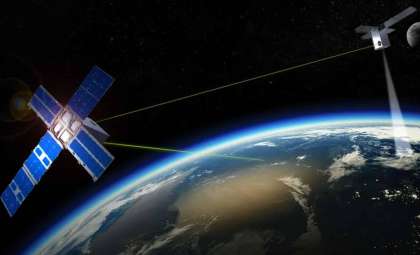
NASA’s traditional space communication systems have relied on radio frequencies, which are limited in speed and capacity. The newly developed laser communication system harnesses infrared light to deliver data rates 10 to 100 times faster than these conventional radio methods.

In the recent demonstration, a portable laser terminal mounted on a Pilatus PC-12 aircraft sent data to an optical ground station located in Cleveland. Data then traveled through terrestrial networks to NASA’s White Sands Test Facility in New Mexico, before being relayed via the Laser Communications Relay Demonstration (LCRD) in orbit.
The LCRD forwarded the information to the ILLUMA-T (Integrated LCRD LEO User Modem and Amplifier Terminal) aboard the ISS, which streamed it back to Earth.
NASA stressed the importance of this breakthrough, noting, “While radio waves enable communication with Voyager 1 over 15 billion miles away, laser communication can handle 10 to 100 times the data volume at significantly higher speeds.”
This technology is essential for deep space missions, where large data volumes and rapid transmission are critical. Laser communication promises to transform space data links, revolutionizing how information is sent from spacecraft exploring distant planets.
Transforming Upcoming Lunar Expeditions
This successful experiment holds wide-reaching potential for NASA’s upcoming missions, especially the Artemis program, which plans human lunar return by 2026. Streaming 4K video from orbit could provide stunning, real-time views of astronauts conducting activities on the Moon.
Dr. Daniel Raible, lead researcher for the HDTN initiative at Glenn, stated, “Streaming 4K HD video to and from the space station is a significant achievement, opening doors to features like HD videoconferencing that will support Artemis crews in health monitoring and mission coordination.”
High-resolution 4K feeds will enable mission control to closely monitor lunar operations and fast-track decision-making for astronaut support.
Beyond scientific data gathering, these capabilities will streamline communication efficiency between space crews and Earth-based teams, enhancing mission success rates.
The increased bandwidth and reduced interference offered by laser communications can also improve public engagement by delivering crystal-clear space exploration footage directly to viewers worldwide.
Ongoing Experiments and Future Horizons
Although the ILLUMA-T instrument has been removed from the ISS, NASA will continue to evaluate 4K streaming performance using the Pilatus PC-12 aircraft for the remainder of July. These trials are vital for perfecting the technology and overcoming any technical challenges.
Laser communications stand as a game-changing technology for missions venturing past low Earth orbit to Mars and beyond. Offering fast, dependable data transfer is critical for detailed scientific work and real-time crew support on such missions.
As NASA advances this technology, laser communication may soon become a standard, heightening our capacity to explore and understand the cosmos. Dr. Raible envisions, “Routine HD videoconferencing could become an everyday aspect of space travel, creating an instant communications bridge between astronauts and Earth.”
This technology promises to transform not only NASA’s Artemis efforts but also the entire domain of space exploration, ushering in a new era of unprecedented high-definition, real-time connectivity in space.
- Categories:
- Astronomy ,
- News ,
- Nasa ,
- Aircraft








0 comments
Sign in to Comment