
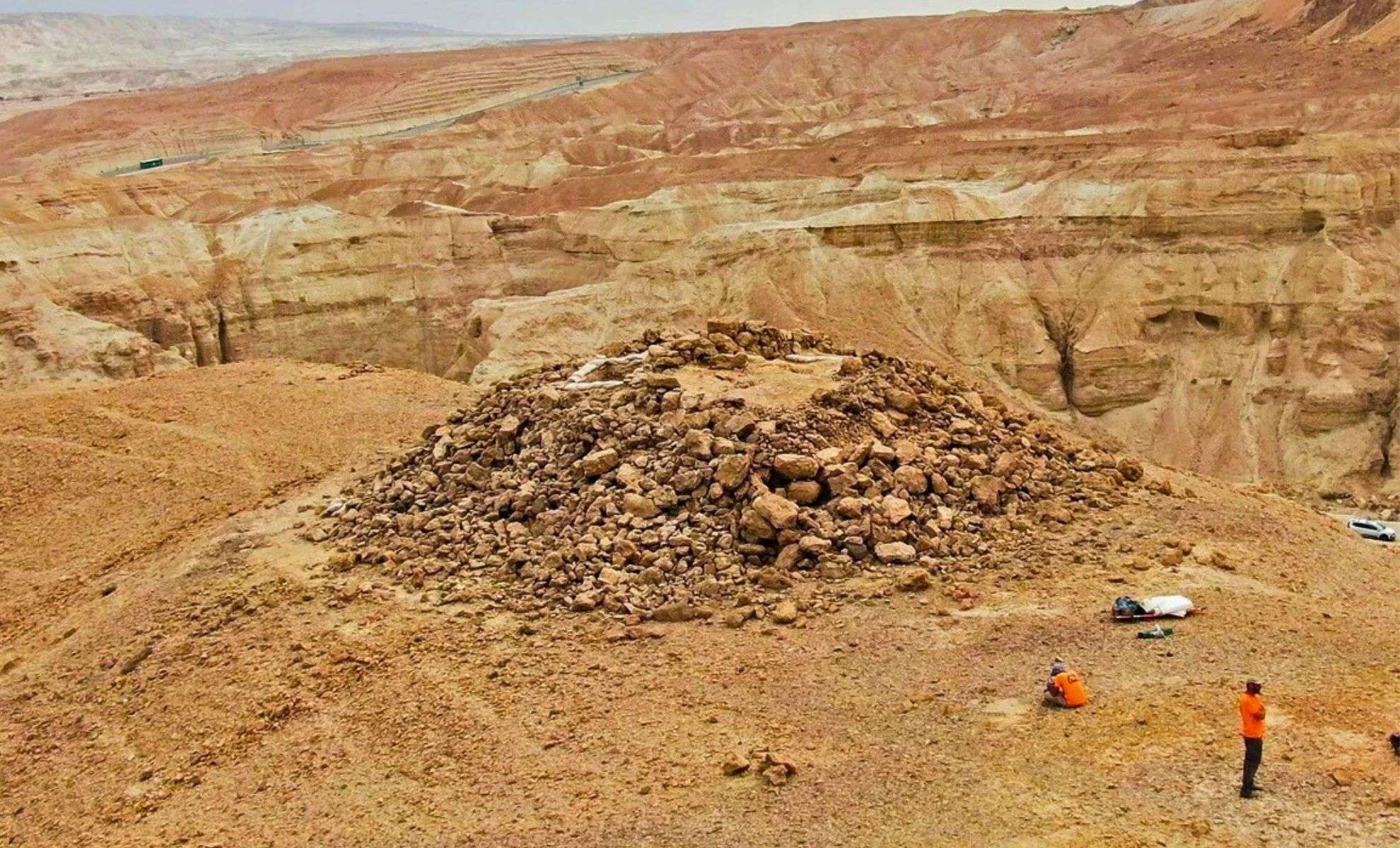
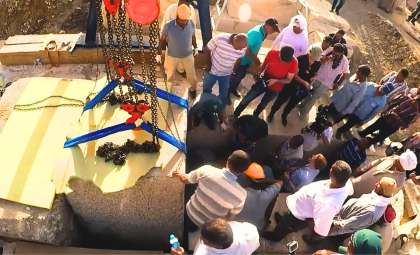
A colossal pyramid estimated to be around 2,200 years old has been found in the Judean Desert, shedding new light on the Hellenistic era. This groundbreaking discovery emerged from an archaeological excavation headed by the Israel Antiquities Authority (IAA), working alongside the Ministry of Heritage and dedicated volunteers nationwide.
Archaeological Excavation and Findings
Situated to the north of Nahal Zohar within the Judean Desert, the dig site has revealed a remarkable array of relics from antiquity. Among the standout findings are Greek papyrus manuscripts, bronze coins dating back to the reigns of Ptolemaic rulers and Antiochus IV, as well as weaponry, wooden spoons, textiles, and other well-preserved items thanks to the dry desert environment.
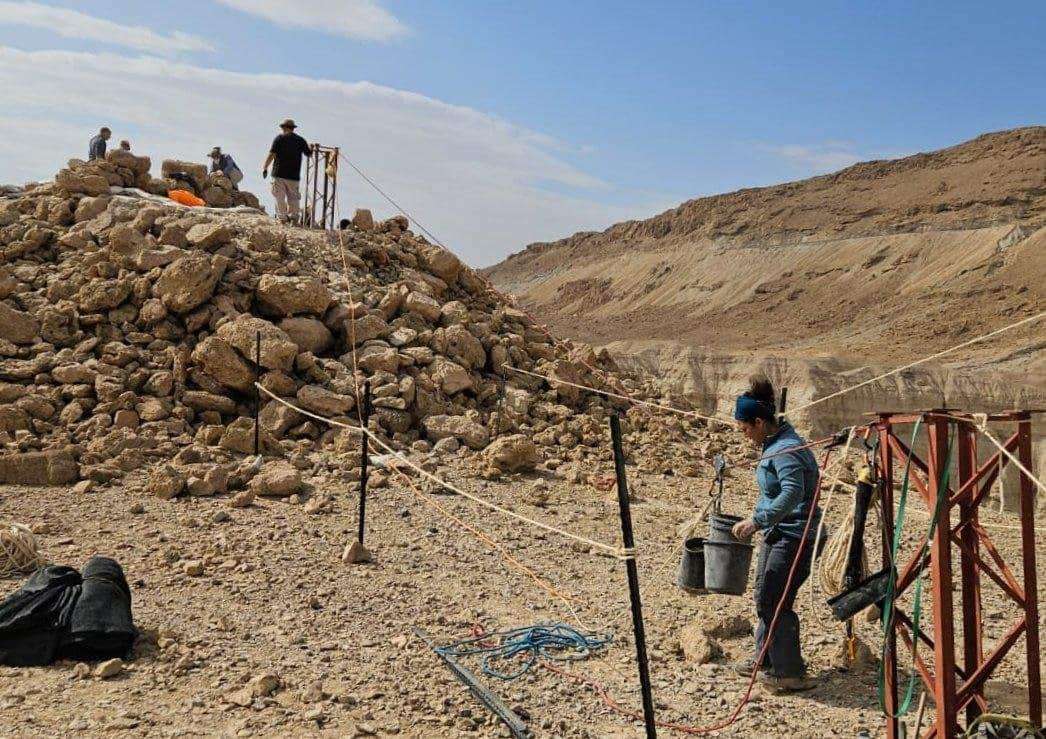
The pyramid itself is an impressive construction of manually carved stones, each weighing several hundred kilograms. Early excavation efforts uncovered historical records, bronze containers, and ancient furnishings, enriching understanding of the site's historical context.

Excavation leaders describe this as one of the most significant and intriguing archaeological finds in the Judean Desert to date.
Unraveling the Historical Enigma
Dating back to the Hellenistic era, the pyramid’s exact purpose remains uncertain. Previously thought to originate from the First Temple period, the discovery suggests its construction occurred later, under Ptolemaic influence.
This new timeline reshapes perspectives on the area's history. Speculation includes the possibility that the pyramid functioned as a watchtower, safeguarding a vital trade corridor that facilitated the movement of commodities such as salt and bitumen from the Dead Sea to coastal hubs.
Alternatively, it could represent a monumental tomb or a commemorative landmark signifying a notable cultural or historical event. The excavation team continues to investigate, leaving the structure’s true role an unresolved puzzle.
Dedicated Team and Research Efforts
This dig is part of a long-term project initiated eight years ago to preserve archaeological heritage in the Judean Desert from illegal digging and looting. Support comes from the Ministry of Heritage, the Judea and Samaria Civil Administration’s Archaeology Department, and the Israel Antiquities Authority.
Since inception, the team has methodically surveyed over 180 kilometers of desert cliffs, documenting around 900 caves and recovering thousands of ancient objects. The effort also involves the IAA’s Robbery Prevention Unit, which has been integral in protecting numerous archaeological sites.
The Judean Desert Survey Unit's discoveries are described as extraordinary, providing crucial knowledge about ancient civilizations. The project employs sophisticated technology and technical climbing methods to access remote areas, revealing hidden scrolls, wooden artifacts, weapons, leather goods, and hoards of coins.
Continuing Discoveries
The excavation progresses with ongoing excitement as new artifacts emerge regularly. Archaeologists Matan Toledano, Dr. Eitan Klein, and Amir Ganor of the Israel Antiquities Authority lead the mission, anticipating further breakthroughs that will deepen understanding of the pyramid and the ancient culture that created it.






0 comments
Sign in to Comment