
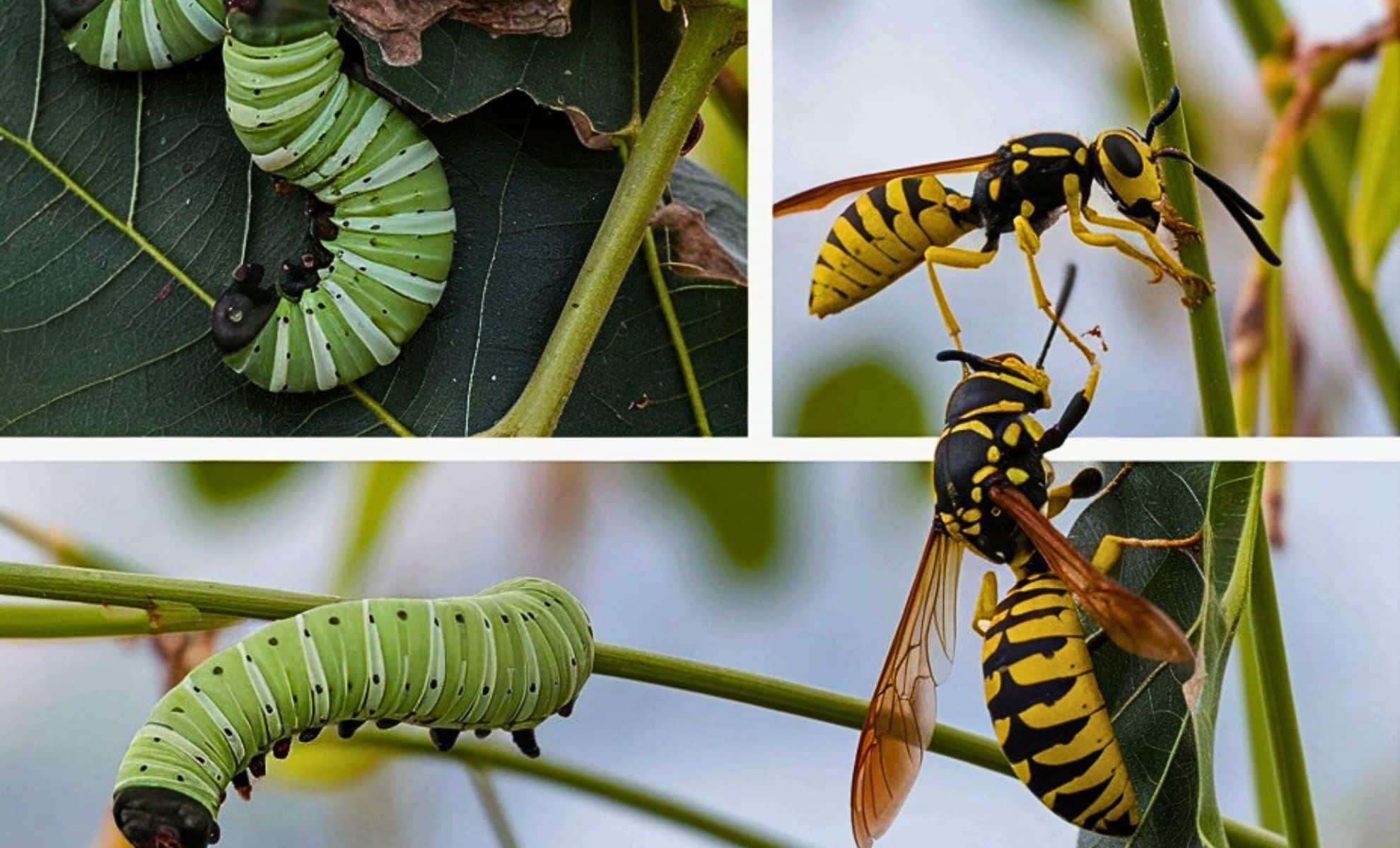
In Australia, researchers have uncovered a remarkable fossil that has reignited excitement in the scientific community: an ancient insect species believed to have vanished some 16 million years ago. This extraordinary find comes from the celebrated McGraths Flat site, revealing the Baladi Warru, a prehistoric sawfly species that had long been considered extinct.
Distinguished by its unique saw-like egg-laying apparatus, this fossilized insect presents an exceptionally clear preservation, enabling scientists to delve deeper into the environmental conditions of the time.
Unearthing a Window into the Past
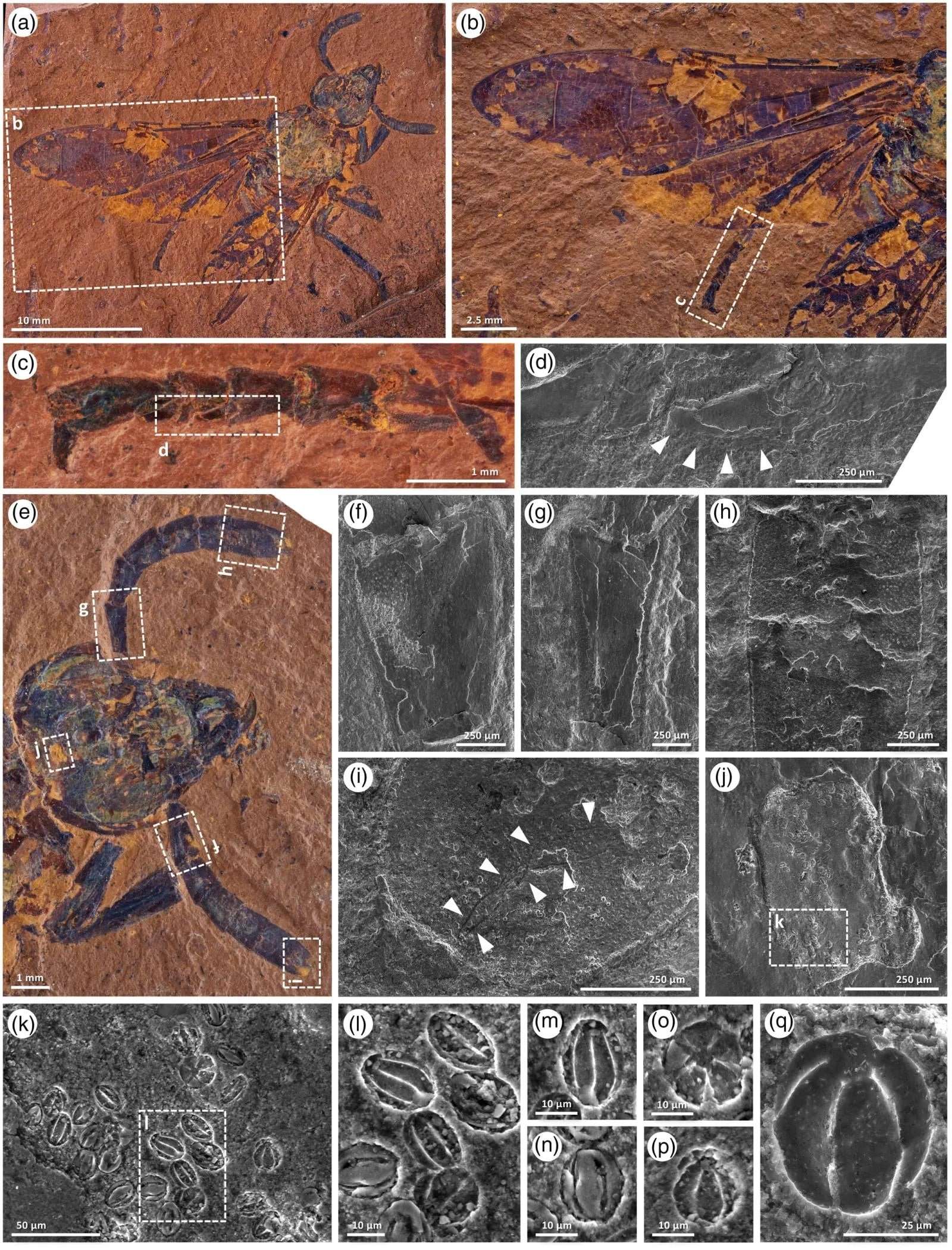
The fossil does more than preserve the creature alone; it also captures pollen particles from flowering plants such as Quintinia, a genus still thriving today. This discovery sheds light on ancient pollination systems and the dynamic ecosystems of the Miocene epoch.

Decoding Baladi Warru’s Unique Structure
Scientists employed sophisticated analysis techniques to examine the Baladi warru in detail, uncovering both its physical adaptations and ecological role. Highlights include:
- Precision morphology: Its ovipositor closely resembles that of current sawflies but features adaptations fitting its Miocene environment.
- Exceptional fossil preservation: Microscopic pollen grains attached to the specimen reveal its feeding habits and plant relationships.
Key Facts
An Evolutionary Journey from Gondwana to Present-Day Australia
These ancient sawflies trace their lineage back to the Cretaceous period, over 100 million years ago, inhabiting the supercontinent known as Gondwana. Their dispersal and adaptation following the breakup of this landmass into regions including Australia and South America help illuminate ancient pathways of biodiversity.
The dual role of Baladi warru as a pollinator and consumer of vegetation challenges existing theories about prehistoric ecological balances. Its survival strategies provide valuable insight into evolutionary responses to climatic and geological transformations.
Implications for Modern Ecology and Climate Adaptation
This fossil discovery not only enriches our understanding of the past but could also inform future conservation efforts. As global climate shifts intensify, lessons gleaned from the ecosystems inhabited by the Baladi warru may offer clues about species’ resilience or vulnerability in changing environments.
By exploring these ancient biological interactions, scientists hope to better predict how contemporary ecosystems might evolve or degrade under mounting environmental stress. Could this 16-million-year-old evidence hold vital information for preserving biodiversity today?






0 comments
Sign in to Comment