
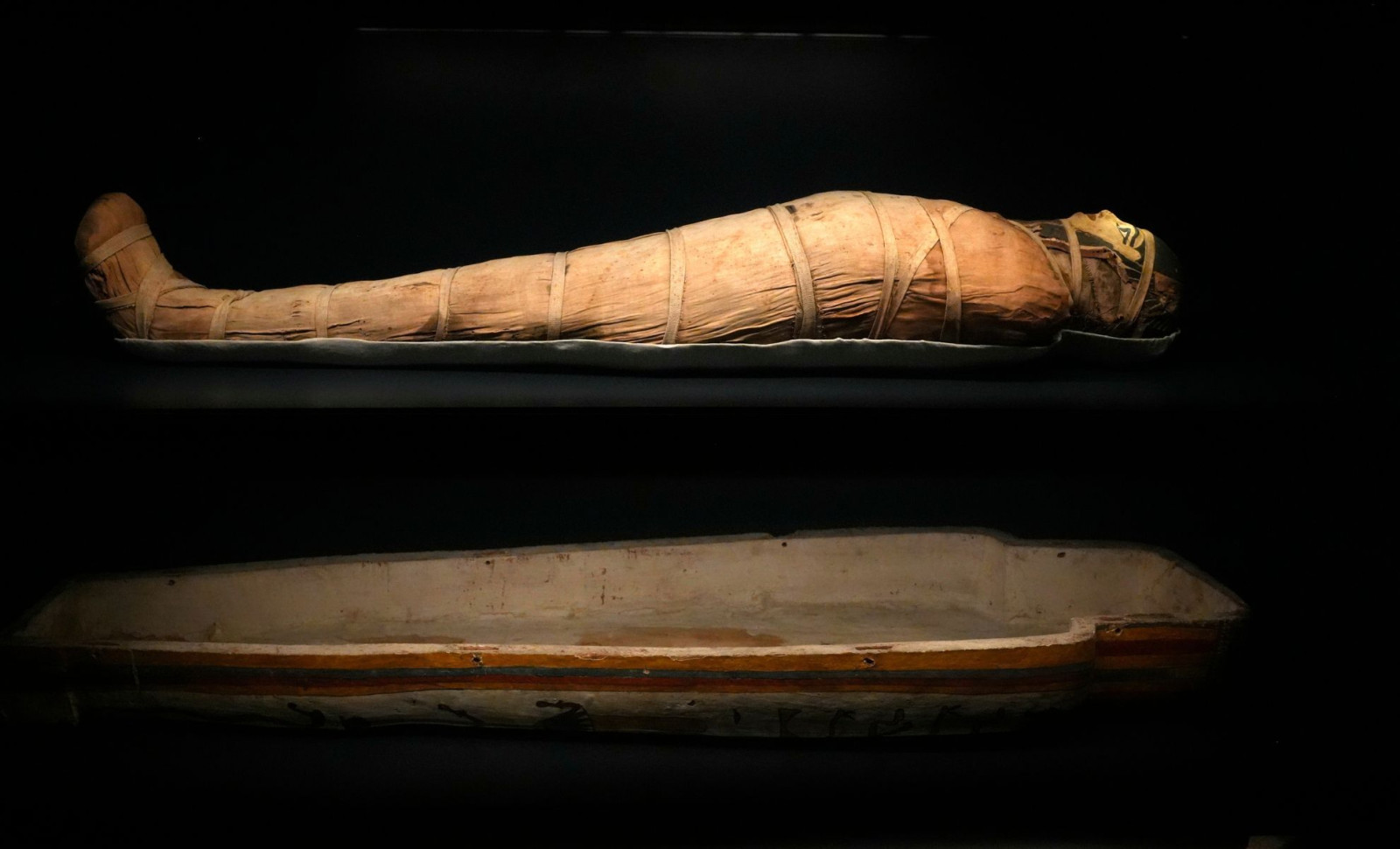
Cutting-edge CT scanning technology is providing researchers with an unprecedentedly clear view inside Egyptian mummies dating back over 2,300 years. These non-invasive scans are uncovering intricate features long overlooked, challenging previous assumptions about these ancient remains.
At Semmelweis University in Budapest, scientists are reexamining several mummified specimens from the Hungarian National Museum using a state-of-the-art photon-counting CT scanner. The scans are performed under typical clinical settings during non-patient hours, ensuring both accuracy and preservation of the artifacts.
Although these mummies have undergone prior analysis, including earlier CT imaging, the former methods often yielded incomplete results. In some instances, radiocarbon dating was only successful on a few samples, leaving uncertainties in dating and biological profiles.

Enhanced Imaging Uncovers Long-Buried Details
This new technology allows for sharper visualization of intricate structures, such as teeth and cranial sutures. As detailed on Semmelweis University’s website, these advancements could refine age determinations and facilitate 3D reconstructions of the individuals.
“The remains had previously been examined by a research team, but the current images provide a more detailed view than ever before and are expected to yield new, scientifically valid findings regarding the remains that have been preserved in the collection for decades,” said Krisztina Scheffer, who serves as the collection’s curator and Chief Museologist.
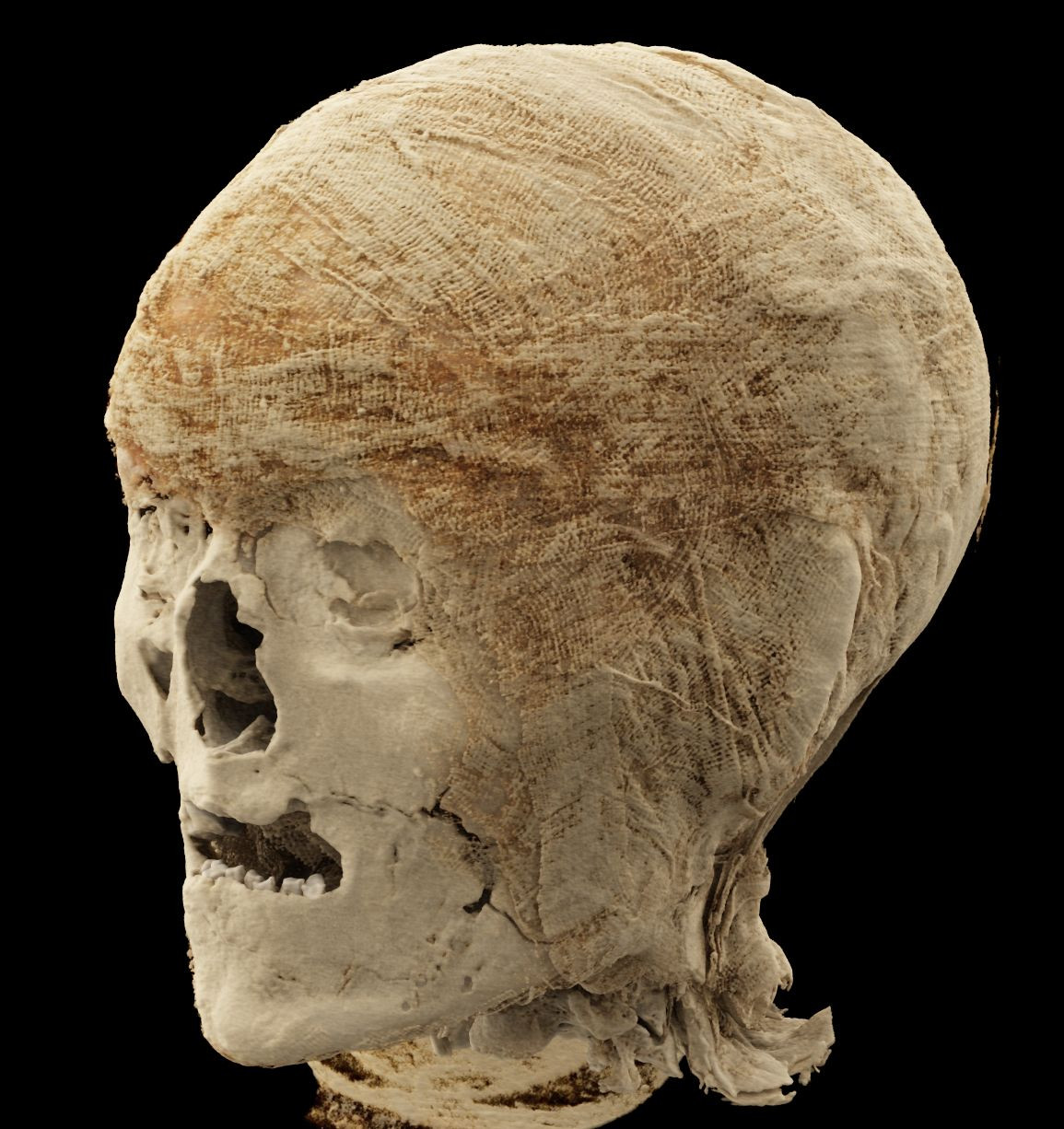
Previous carbon dating placed several specimens between 401 and 259 BCE, but only three samples yielded valid data. Now, the enhanced scans provide additional anatomical details that help align physical characteristics with chronological estimates.
Unearthing Ancient Medical Insights
An earlier examined lower limb, previously undiagnosed, now reveals indicators of osteoporosis. As noted by Dr. Ibolyka Dudás:
“The aim of the examinations is to obtain as accurate a picture as possible of the internal structure of the remains, any abnormalities, and the preservation techniques used.”
Another limb appears to belong to a younger individual, a detail that was unclear in past imaging. The superior resolution assists in studying bone development stages and aids in identifying the demographics of the subjects.
Technological Advances Reframe Historical Interpretations
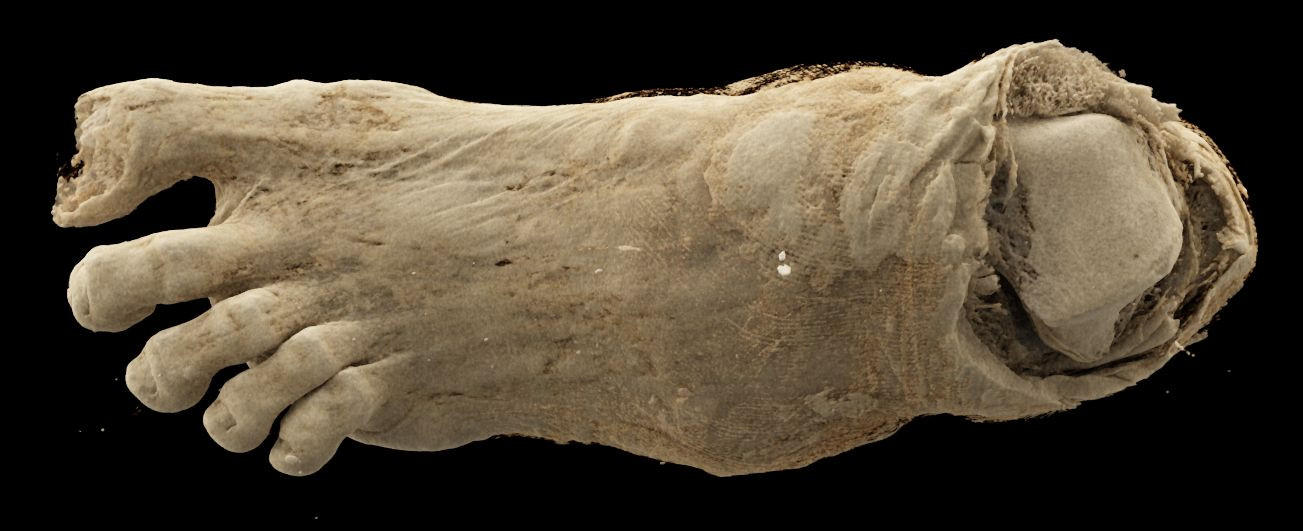
New findings also correct earlier identifications. An artifact once categorized as a human head and later thought to be a bird mummy has now been confirmed as an adult human foot. According to Scheffer, this level of detail is reshaping classifications of these items.
“Based on the results so far, it is evident that modern imaging technology opens up new perspectives in mummy research. It can reveal information hidden in finds that are thousands of years old without damaging them,” she added.
The scans also elucidate the layering of textile bindings with greater clarity than before, highlighting multiple wrapping phases. Researchers are examining a mummified hand to determine age at death by analyzing bone dimensions and morphology.
All this expanded knowledge comes from artifacts that have been housed in collections for many years. Thanks to enhanced imaging capabilities, these ancient remains are now being explored in ways that reveal far more than previously possible. As the researchers concluded:
“Modern imaging technology opens up new perspectives in mummy research. It can reveal information hidden in finds that are thousands of years old without damaging them.”
- Categories:
- Science






0 comments
Sign in to Comment