
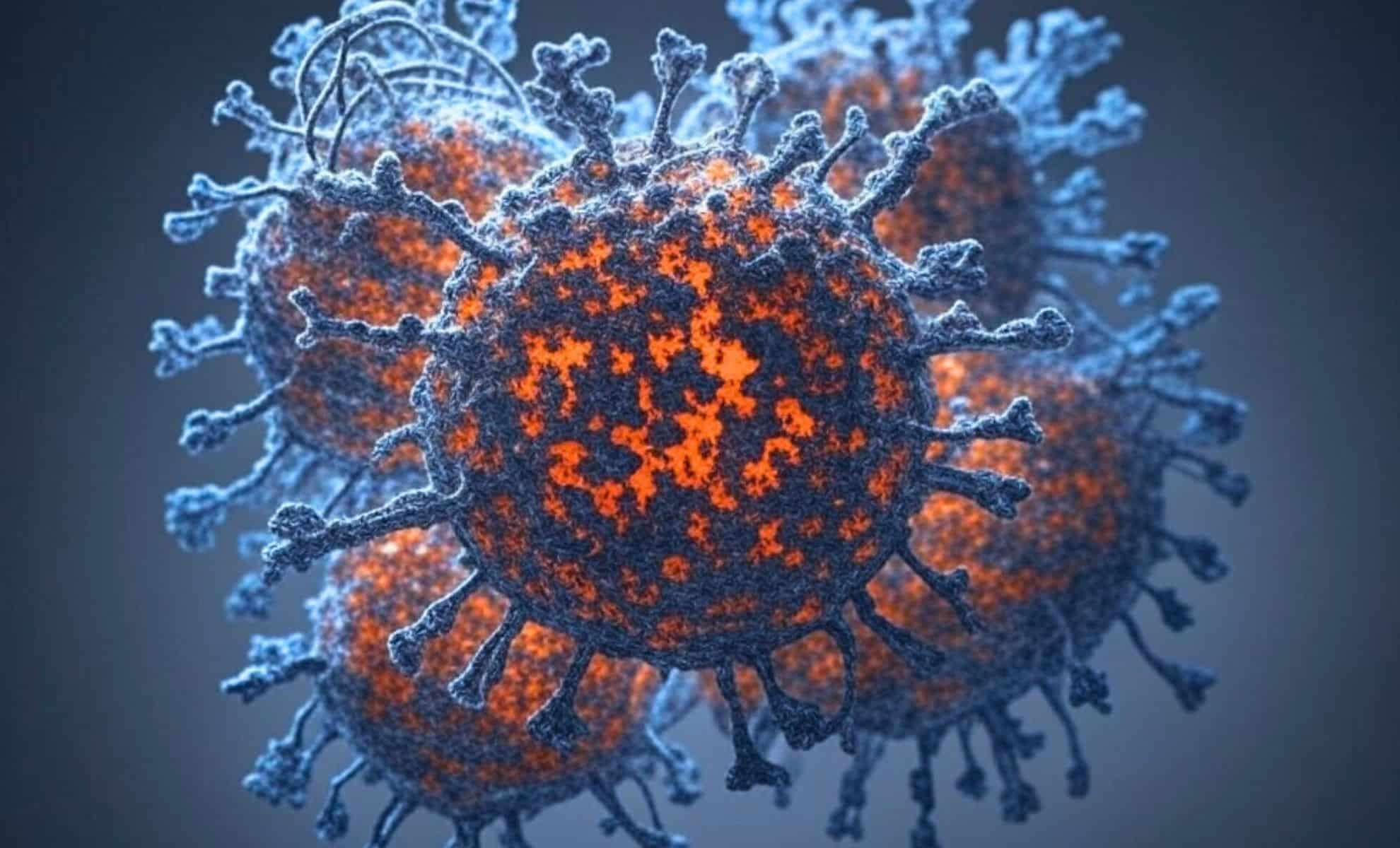
Viruses excel as natural engineers, expertly packaging and delivering genetic material with unmatched accuracy. For years, researchers have looked to these biological systems to inspire cutting-edge gene therapy methods. However, replicating the intricate viral protein shells—called capsids—has remained a significant hurdle. Synthetic nanocages designed to imitate viruses have lacked sufficient capacity and complexity to fully realize their potential.
A pioneering partnership between Professor Sangmin Lee at POSTECH and 2024 Nobel Prize winner Professor David Baker from the University of Washington has now revolutionized this domain. Their study, featured in Nature on December 18, employs artificial intelligence (AI) to replicate and enhance viral architectures, creating unprecedented opportunities for therapeutic delivery.
Harnessing AI for Next-Level Protein Engineering
Existing gene therapy tools like adeno-associated viruses (AAVs) are restricted by their limited genetic cargo space. To address this, the researchers used AI-driven protein design to engineer nanocages in various geometric forms, including tetrahedral, octahedral, and icosahedral shapes.

The most notable creation is the icosahedral nanocage, measuring 75 nanometers in diameter and capable of carrying three times more genetic payload than traditional AAVs. By integrating subtle asymmetries found in natural viruses, these novel structures achieve a level of complexity and functionality that surpasses previous synthetic approaches.
Highlights of AI-Crafted Nanocages:
- Shapes: Tetrahedral, octahedral, and icosahedral configurations.
- Dimensions: Up to 75 nanometers wide.
- Genetic Cargo: Capacity tripling that of conventional AAVs.
- Structural Complexity: Featuring six distinct protein-protein contact sites.
- Design Accuracy: Symmetry confirmed through electron microscopy.
Validating Precision and Effectiveness
These AI-generated nanocages not only demonstrate superior design but also prove transformative in function. Electron microscopy has confirmed their structural fidelity, while biological assays show they can effectively deliver therapeutic genes directly into target cells. This fusion of exactness and performance marks a new paradigm in biomedical technology.
Potential Uses Include:
- Gene therapies for inherited diseases.
- Innovative vaccine development.
- Highly targeted drug delivery systems.
Offering a versatile platform, these nanocages push beyond existing limitations and open doors to groundbreaking medical advances.
Global Teamwork Driving Scientific Innovation
This success underscores the power of cross-continental, interdisciplinary cooperation. Professor Lee, who honed his expertise over almost three years in Professor Baker’s laboratory prior to returning to POSTECH, provided vital insight. Funded by the Ministry of Science and ICT of Korea and the Howard Hughes Medical Institute (HHMI), this project exemplifies how international collaboration fuels scientific progress.
Research Team Roles:
A New Horizon for Medical Technology
“Advances in AI have ushered in a revolutionary phase where we can craft artificial proteins tailored to human health needs,” stated Professor Lee. These AI-designed nanostructures not only imitate but enhance natural viral mechanisms. Their implications extend far beyond gene therapy, promising to reshape vaccine development, precision drug delivery, and much more.
This research marks a defining moment in science, showing that AI can elevate biotechnology, transforming theoretical potential into practical breakthroughs. The question is no longer if AI will revolutionize the field, but how radically it will redefine it.
- Categories:
- Science













0 comments
Sign in to Comment