
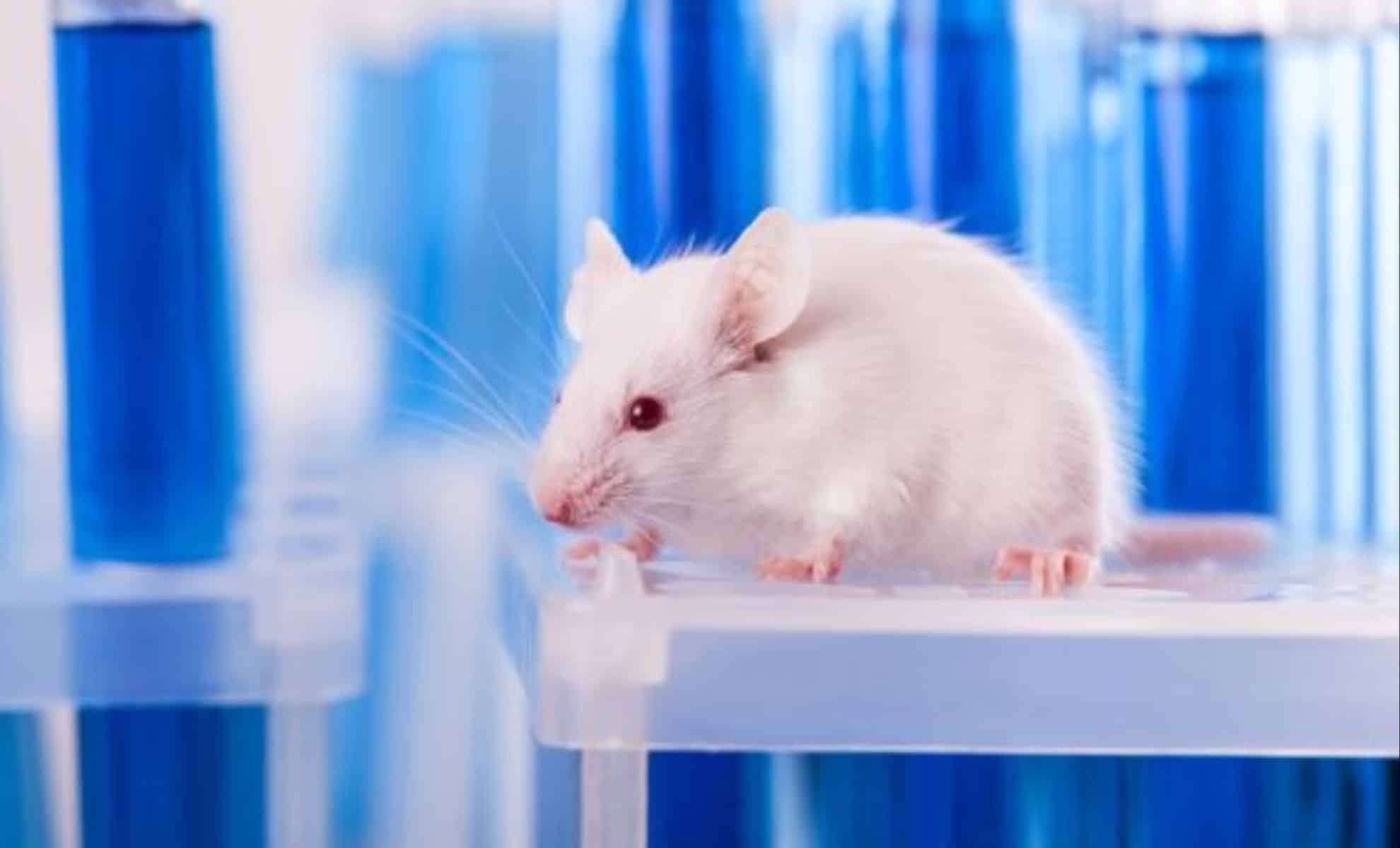
A recent milestone in genetics saw researchers create a living mouse by utilizing a gene that existed long before animals appeared on Earth. Detailed in Nature Communications, this investigation harnessed a gene from choanoflagellates—microscopic single-celled organisms regarded as the closest living cousins to animals. Injecting this primordial genetic sequence into a mouse has offered fresh insights into the dawn of multicellular organisms and the evolutionary basis of stem cell biology.
This pioneering work not only shifts our perspective on how complex life evolved but also points to new possibilities in regenerative therapies. The findings reveal that genetic elements from some of the planet’s most basic lifeforms can be adapted to operate within complicated multicellular animals.
Unlocking the Roots of Stem Cell Genetics
The research concentrated on genes essential for producing pluripotent stem cells—cells capable of differentiating into any specialized cell type. These genes, known as Sox and POU, were traditionally thought to be exclusive to animals, crucial for stem cell formation and upkeep. However, the team identified ancestral forms of these genes within choanoflagellates, organisms that predate multicellular animals.

“It’s fascinating that choanoflagellates possess these genes despite lacking stem cells,” stated Dr. Alex de Mendoza, a principal researcher. “In these unicellular organisms, these genes probably regulate fundamental processes like environmental response or cellular stress management.” Over evolutionary time, animals appear to have repurposed these ancient molecular components to develop intricate bodies.
This revelation adjusts the timeline of gene evolution, suggesting that the building blocks for multicellular development were in place much earlier than once assumed. It sheds light on the evolutionary leap from simple single cells to complex life.
Creating a Mouse Using an Ancestral Gene
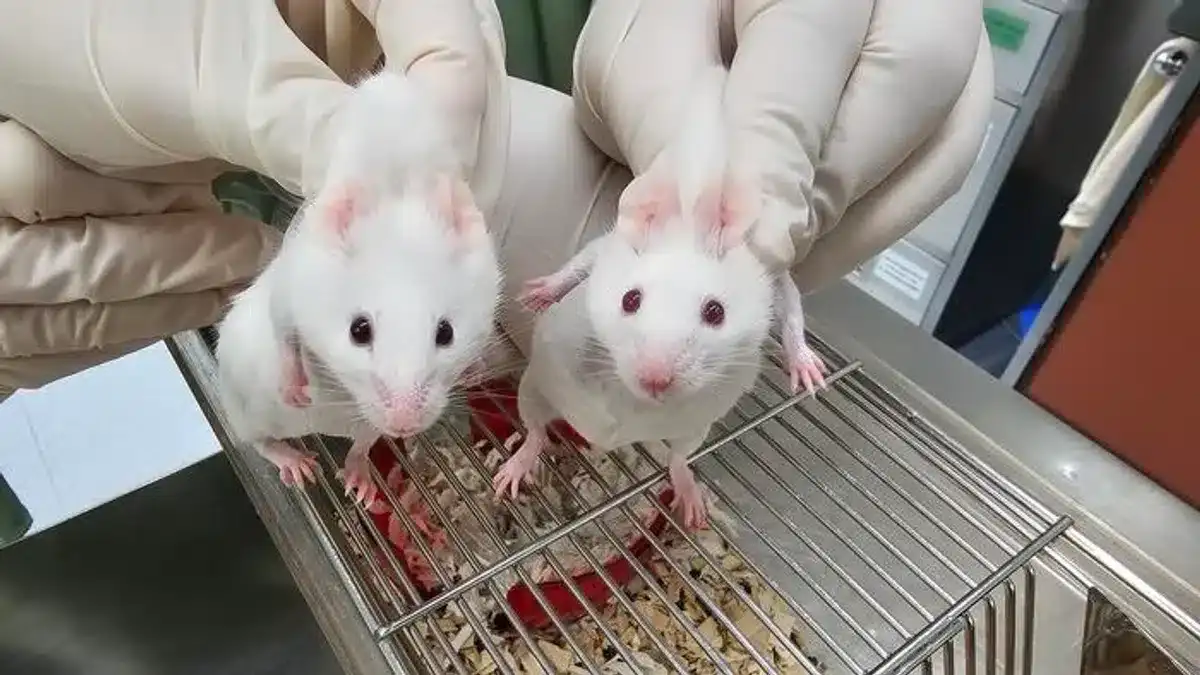
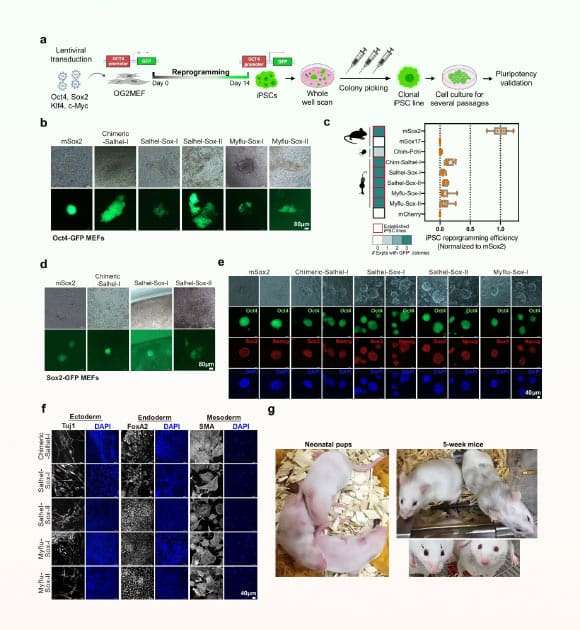
To investigate the functional capacity of these primordial genes, scientists replaced the mouse’s own vital stem cell gene, Sox2, with the choanoflagellate version. This switch reprogrammed mouse cells into induced pluripotent stem cells (iPSCs) capable of producing various tissue types. These stem cells were then used to generate a chimera mouse made of two distinct genetic origins.
The chimera manifested traits tied to the inserted choanoflagellate gene, such as black patches of fur and dark eyes, directly confirming the gene’s active role in the animal’s growth and development.
“By producing a mouse employing molecular machinery inherited from our single-celled ancestors, we observe a remarkable evolutionary consistency spanning nearly a billion years,” Dr. de Mendoza explained. This confirms that ancient genes can remain functional within contemporary biological frameworks, demonstrating their evolutionary durability.
Potential Impact on Regenerative Treatments
The consequences of this work go beyond evolutionary theory. By tracing the ancient origins of pluripotency genes, the study opens avenues to enhance stem cell technology and regenerative medicine. Understanding these genes’ mechanisms in current systems could improve techniques for producing stem cells and repairing tissues.
“Exploring the evolutionary foundations of these genetic tools allows us to refine pluripotency processes with greater precision,” noted Dr. Ralf Jauch, a co-author. Leveraging these ancient genetic pathways might pave the way for advances in therapies for conditions like Parkinson’s disease and diabetes, where cell regeneration is vital.
Additionally, the research underscores how examining gene evolution can reveal strategies for overcoming medical and biotech challenges by learning from nature’s adaptations.
Revisiting the Story of Evolution
This study prompts a reconsideration of evolutionary narratives. Finding that choanoflagellates, far predating animals, possess genes instrumental for multicellular formation expands our understanding of how life transitioned from simple to complex forms.
The results emphasize evolutionary continuity, demonstrating that ancient genes remain operational within modern organisms. “Though choanoflagellates are unicellular and lack stem cells, they harbor these genes, likely involved in basic cellular control later co-opted by multicellular animals to build complex structures,” Dr. de Mendoza remarked.
By linking ancient single-celled species with present-day multicellular organisms, this research enriches our comprehension of life’s evolution and inspires new research directions into early life origins.
As detailed by Sci.News, this achievement marks a significant advance in evolutionary biology and genetics, highlighting the durability and functional adaptability of ancient molecular systems.







0 comments
Sign in to Comment