
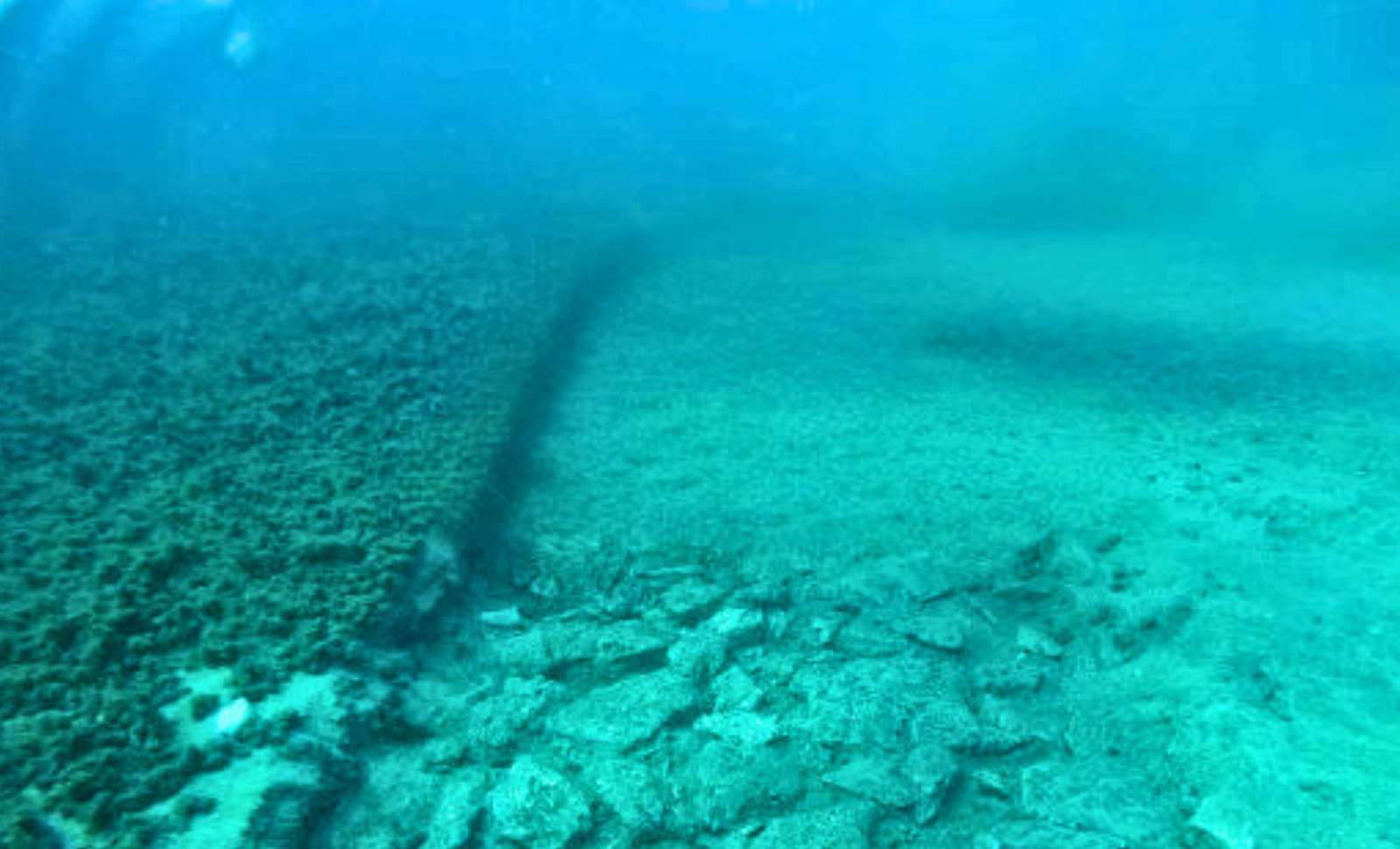
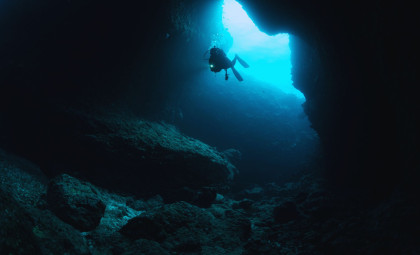
Archaeologists have revealed a stone pathway dating back almost 7,000 years beneath the Adriatic Sea, near the Croatian island of Korčula. Buried under thick marine sediment, this extraordinary find extends the submerged Neolithic Soline site, one of the Mediterranean's most important prehistoric underwater locations. It is believed the road linked the ancient settlement to Korčula’s mainland coastline.
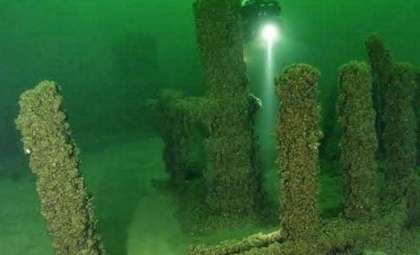
Measuring about 4 meters across, the road was formed by carefully arranged stone slabs and lies approximately 4 to 5 meters underwater. Protective layers of sea mud concealed the structure for thousands of years, preserving it remarkably well when the deposits were removed.
This discovery is the outcome of a joint effort involving specialists from the University of Zadar, Dubrovnik Museums, the Museum of the City of Kaštela, and the City Museum of Korčula, alongside underwater photographers and divers. The University of Zadar shared details in a public announcement, highlighting that the road was trodden by humans nearly 7,000 years ago.

Neolithic Inhabitation on a Man-Made Island
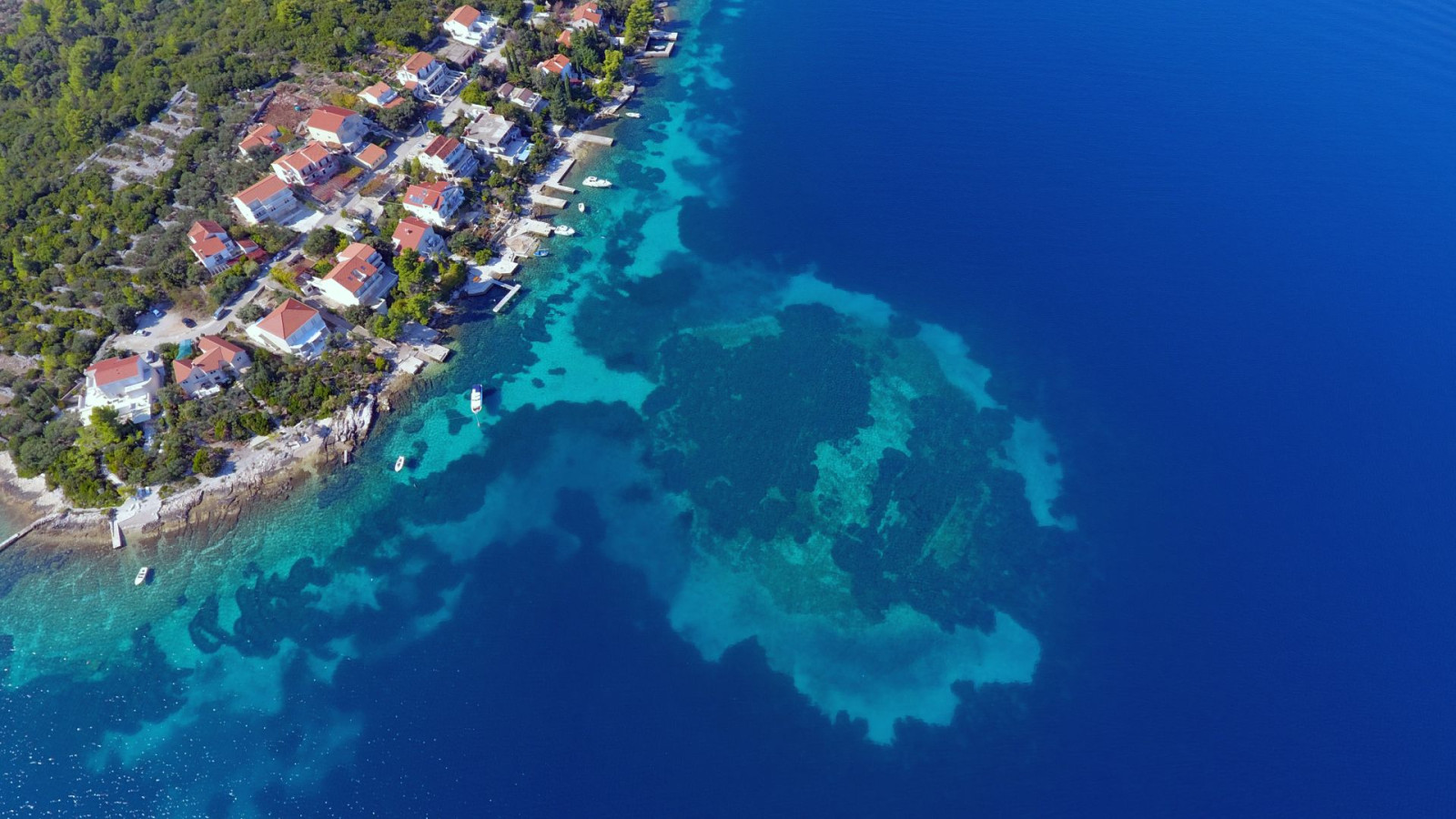
The pathway is part of the extensive Soline settlement, thought to have been established on an artificial island, a constructed landform separated from the main island by a narrow water channel. The archaeological site was initially spotted in 2021 by Mate Parica from the University of Zadar, who identified unusual seabed formations through satellite imagery. Subsequent dives confirmed the presence of stone walls, likely remnants of this ancient human habitation.
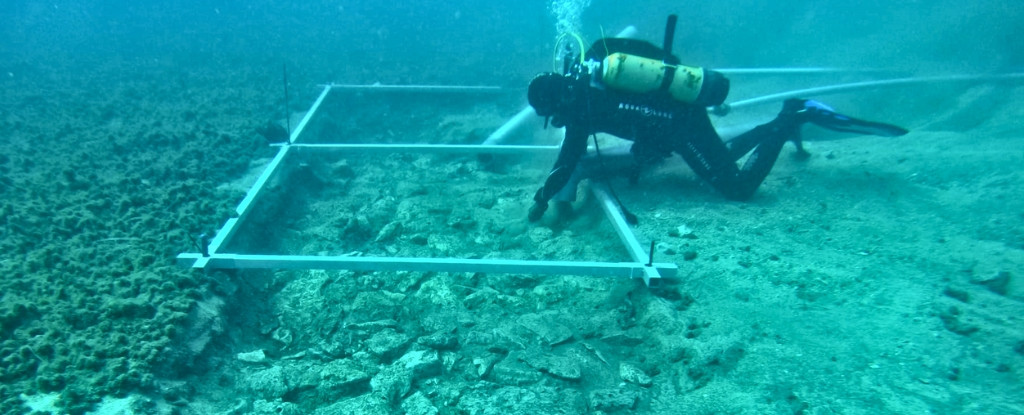
The protected bay setting of Soline has played a crucial role in preserving the site. Surrounded by islands that shield it from strong waves, the area’s calm conditions helped maintain the integrity of the stone construction beneath the mud. Parica emphasized that this natural shelter likely contributed to the structures’ excellent preservation over millennia.
The Soline archaeological site rests in a bay between Korčula Old Town and Lumbarda, with settlement walls situated about 4 meters underwater, making it visible to snorkelers. Some recovered artifacts are exhibited at the Town Museum of Korčula.
Dating Reveals Origins Around 4900 BCE
Radiocarbon dating of preserved wooden remains from near the site estimates the settlement’s origin to around 4900 BCE, placing it in the early Neolithic era. This period saw human groups transitioning from nomadic lifestyles to permanent, organized communities. Along the eastern Adriatic, this shift led to sophisticated engineering feats such as stone-made islands and paved walkways linking them.
The construction efforts are attributed to the Hvar culture, a Neolithic and Chalcolithic group native to the eastern Adriatic coast, named after Hvar island. According to the Wikiwand entry on the Hvar culture, the submerged road likely served as a stone causeway connecting the artificial island, itself now submerged, to the mainland. The site has also yielded stone axes, decorated pottery, and other Hvar cultural artifacts.
The scale of this infrastructure indicates a high degree of planning and community coordination in the Neolithic period. The deliberate construction of a wide, stone-paved path shows it was intended as a functional thoroughfare, revealing new insights into how the Hvar culture connected its settlements along the Adriatic nearly seven millennia ago.
Discovery of a Second Submerged Site on Korčula’s Other Coast
While investigating the Soline area, researchers received additional information from University of Zadar archaeologist Igor Borzić about unusual underwater remains in Gradina Bay on the island’s opposite coast. Further dives uncovered a second submerged settlement at 4 to 5 meters depth, exhibiting a similar design and construction to Soline. This site had remained undocumented until now.
Artifacts discovered at Gradina Bay include stone blades, axes, and pottery shards that closely resemble those found at Soline. These parallels suggest that the Hvar culture occupied both sides of Korčula concurrently. The presence of two similar settlements across the island, both submerged at similar depths with matching cultural artifacts, points to a larger Neolithic population than previously understood.
Neolithic underwater settlements are relatively uncommon throughout the Mediterranean, as many coastal sites were either destroyed by erosion, built too far inland to be submerged, or remain undiscovered beneath the sea. The identification of two closely related sites on Korčula makes this island a rare and valuable location for studying prehistoric coastal communities. Ongoing excavations continue to reveal how early Adriatic inhabitants shaped their environment and structured their coastal life.
- Categories:
- Science





0 comments
Sign in to Comment