
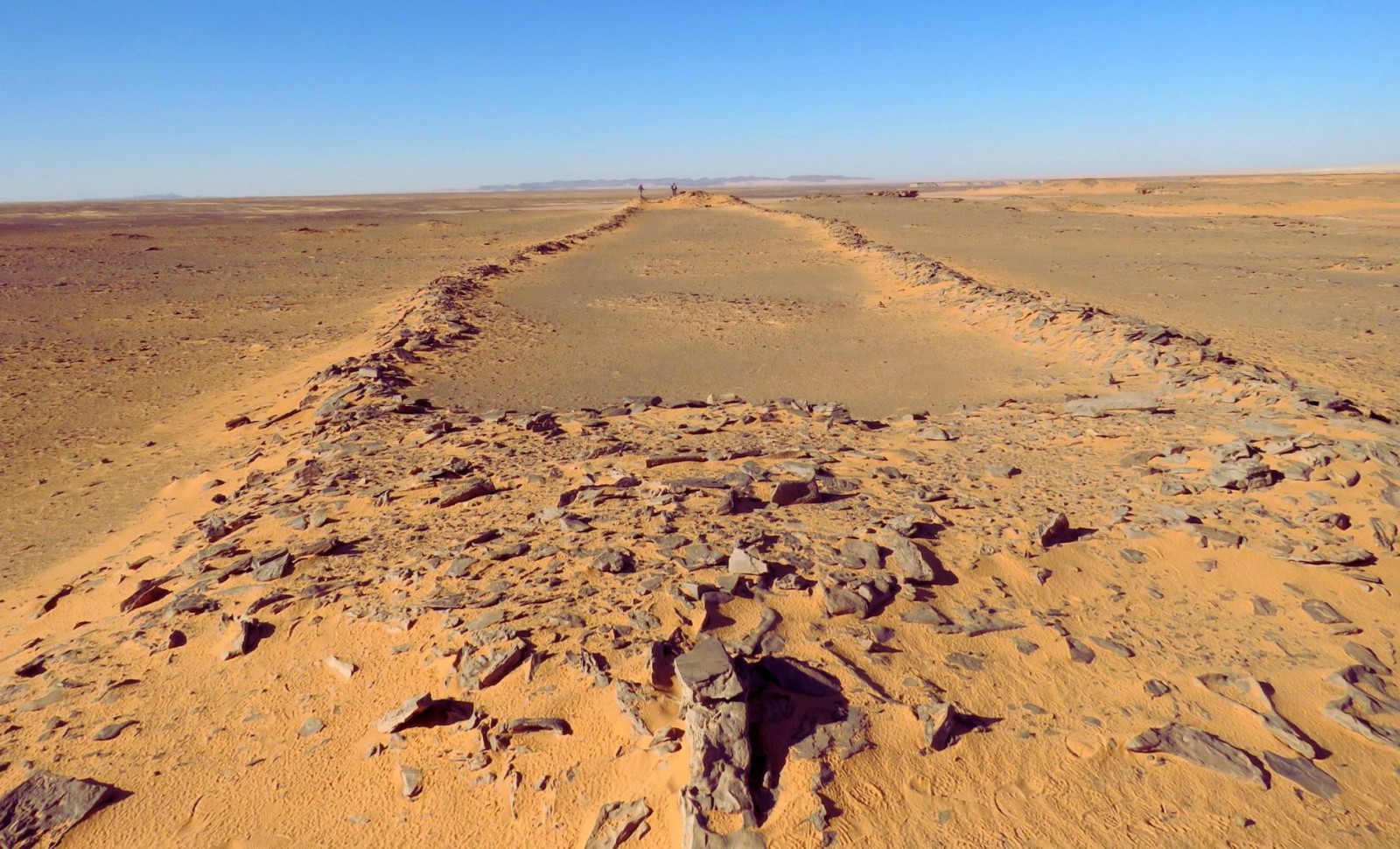
Enormous stone constructions dating back 7,000 years are altering our understanding of prehistoric life in the Arabian Peninsula. These structures, called mustatils, appear to lack a straightforward practical purpose, adding to their mystery.
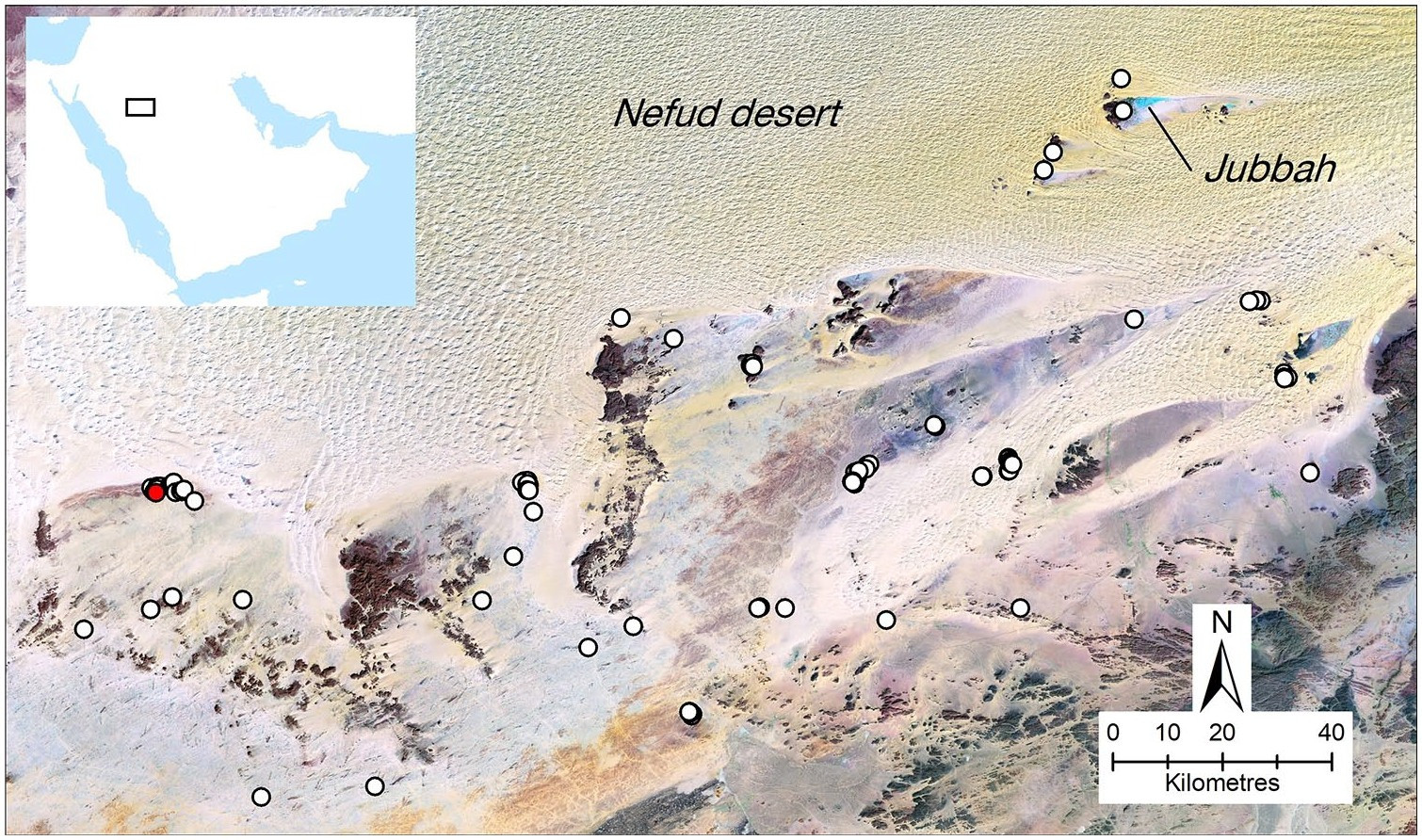
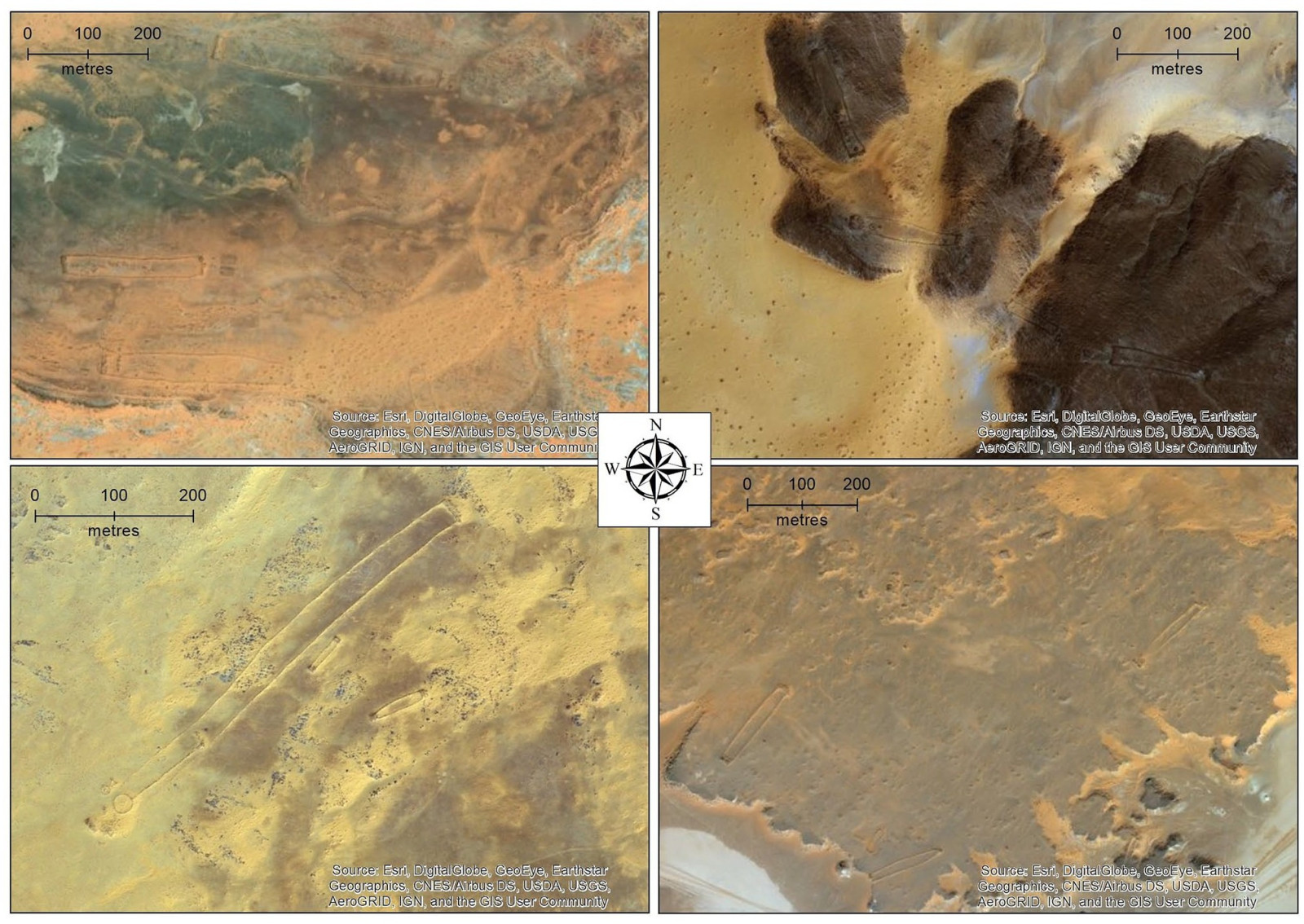
First identified via satellite imagery in 2017, these stone formations are widespread across northern Arabia, particularly around the Nefud Desert. Today, hundreds of these structures have been discovered, indicating that their creation was a common practice rather than an isolated event.
Recent investigations led by Huw Groucutt from the Max Planck Institute for Chemical Ecology have expanded the known total, with over 100 new mustatils documented, as detailed in a recent publication in The Holocene.

Massive Monuments Without Obvious Purpose
Mustatils have a deceptively simple design. They consist of two substantial stone platforms connected by lengthy, narrow walls that can extend over 600 meters. These walls, typically less than half a meter tall, lack any entryways, which is unusual for such large structures.
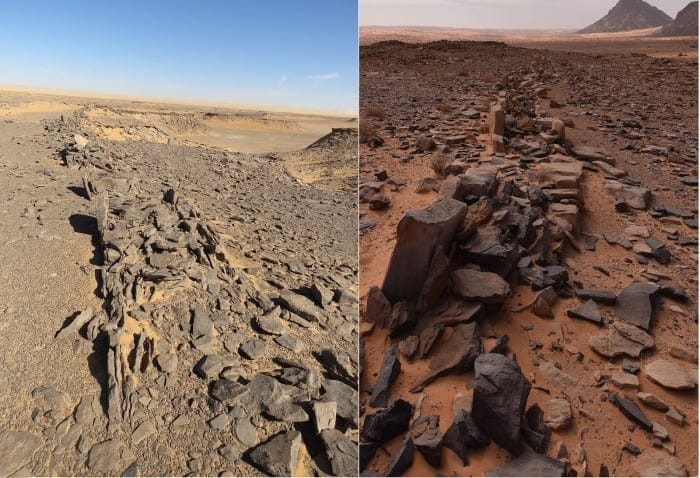
The research published in The Holocene highlights the scarcity of typical artifacts such as stone tools at these sites, suggesting they were not used for animal enclosures or water storage. The construction technique was consistent: upright stones formed the perimeter, filled in with smaller rocks. This common method may indicate shared cultural practices among different groups.
Constructed During a Lusher Arabian Climate
Radiocarbon dating of charcoal from one of the structures places mustatils at roughly 7,000 years old. This period coincides with the African Humid Period, when increased rainfall transformed the Arabian landscape into verdant grasslands.
The study suggests that this greener environment began diminishing around 8,000 years ago, leading to rapid desertification. The mustatils therefore originated amid significant climatic shifts, possibly reflecting the need for evolving community strategies, even though they do not reveal daily living habits directly.
Indications of Collective Ritual Activity
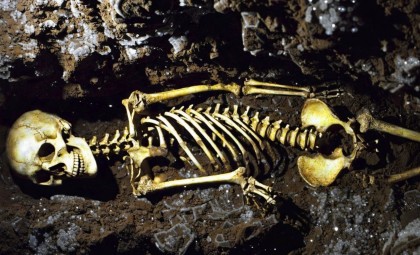
While mustatils lacked practical uses, they were not devoid of significance. Archaeologists uncovered concentrations of animal bones inside some structures, including remains from wild fauna and domesticated or wild cattle. In one instance, a stone decorated with geometric carvings was deliberately placed on a platform for prominence. Huw Groucutt interprets these findings as evidence of ritualistic functions.
“Our interpretation of mustatils is that they are ritual sites, where groups of people met to perform some kind of currently unknown social activities,” he stated. “Perhaps they were sites of animal sacrifices, or feasts.”
Another perspective suggests that the very act of building such enormous monuments required cooperation, which may have helped fortify social bonds within ancient communities.
“The lack of obvious utilitarian functions for mustatils suggests a ritual interpretation. In fact, mustatils seemingly represent one of the earliest examples known anywhere of large-scale ritual behaviours encoded in the practice of monumental construction and use,” he added.
- Categories:
- Science







0 comments
Sign in to Comment