

A bamboo fossil dating back 37,000 years has been uncovered in the Imphal Valley of Manipur, offering compelling evidence that bamboo persisted throughout Asia during the Ice Age. This exceptional specimen provides valuable insight into how plant species adapted to harsh climatic conditions of that era. Experts believe the fossil’s outstanding state of preservation could reveal crucial information about bamboo's survival in regions where it was once assumed to have vanished.
Revealing Ancient Bamboo Adaptations
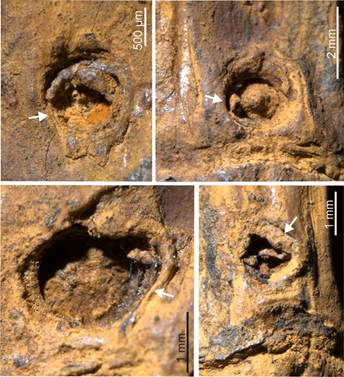
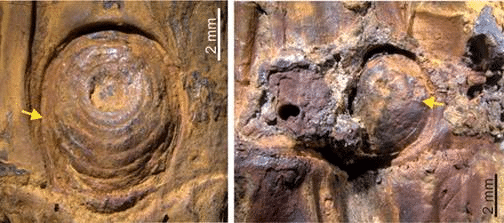
Classified as belonging to the Chimonobambusa genus, the fossil exhibits distinctive defensive characteristics such as thorn scars, nodes, and buds, which likely served as protection against herbivorous threats.
Researchers from the Birbal Sahni Institute of Palaeosciences (BSIP) emphasize that these features imply the bamboo had evolved effective defenses to survive in environments where food scarcity made survival challenging. The rarity of such fossils is notable given how rapidly bamboo’s delicate structures typically degrade after death.

Through detailed comparative studies with modern bamboos like Bambusa bambos and Chimonobambusa callosa, scientists reconstructed the plant’s protective mechanisms. These findings highlight that even thousands of years ago, bamboo had developed strategies vital for its persistence in the wild. The specimen’s superb preservation has enabled insights that might have otherwise been lost over millennia.
Bamboo’s Resilience Through the Ice Age
Published in the Review of Palaeobotany and Palynology, the study notes that much of the globe’s bamboo flora vanished during the Ice Age due to freezing, arid climates unfavorable for growth. Nevertheless, the discovery in Manipur suggests bamboo endured in the Indo-Burma biodiversity hotspot, a warm and humid area spanning regions of India, Myanmar, and Southeast Asia. This refuge enabled bamboo species to survive while disappearing elsewhere.
The finding underscores the adaptive strength of the Indo-Burma hotspot’s ecosystem, which supported diverse plant and animal life through extreme environmental shifts. While bamboo populations dwindled globally during this period, this region served as a shelter for certain species.
Insights into Earth’s Climatic History
The BSIP researchers indicate that examining this prehistoric fossil alongside contemporary bamboos like Bambusa bambos can reveal vital clues about how plants developed defenses to withstand extreme climates. Studying traits such as thorn scars and structural features helps scientists better understand the evolutionary responses of plant life to severe environmental stresses over tens of thousands of years.
Discovered within the silt layers of the Chirang River, this fossil stands out as Asia’s earliest documented thorny bamboo specimen, marking a significant advancement in palaeobotanical research.
- Categories:
- Science










0 comments
Sign in to Comment