
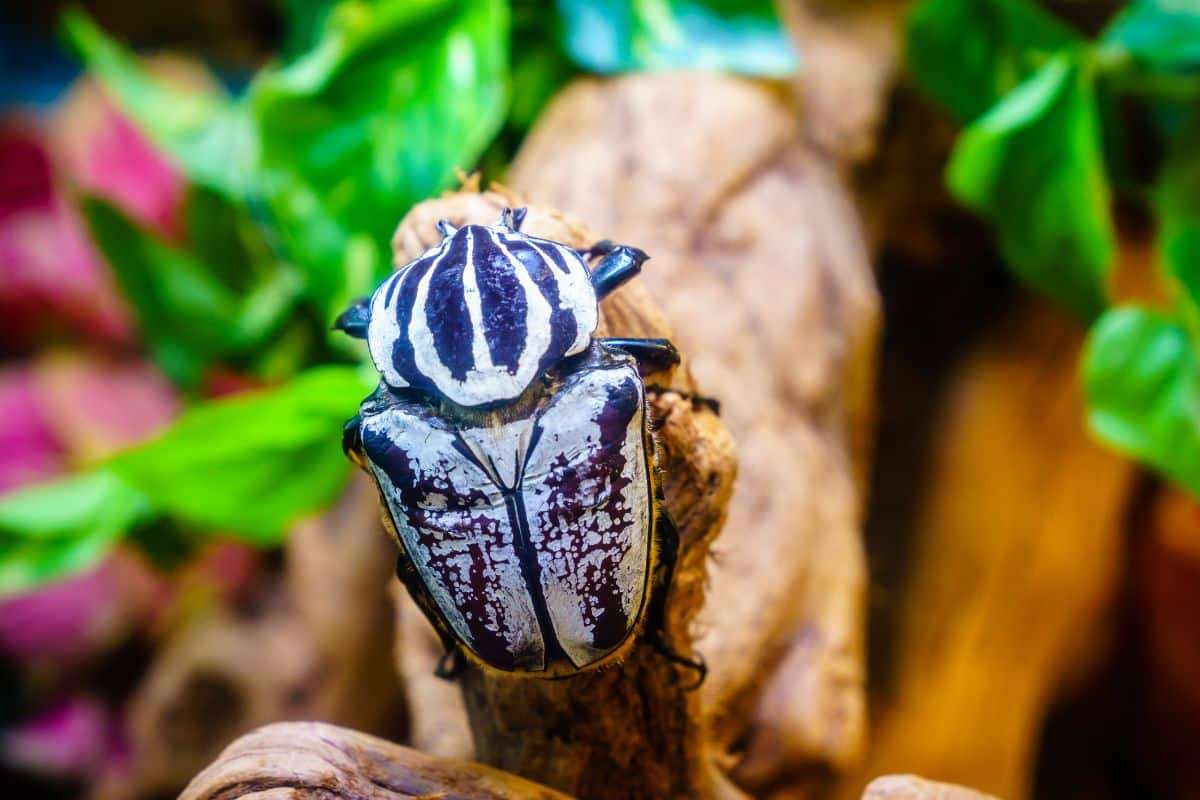
The majestic Goliath beetle, comprising species like Goliathus cacicus and Goliathus regius, ranks among the largest beetles worldwide and is now facing a drastic decline. The surprising driver behind this downturn is linked to a beloved global product: chocolate.
An Insect Titan on the Brink
Renowned for their impressive size, Goliath beetles can grow up to 110 millimeters (4.3 inches). Males feature a notable Y-shaped horn, distinguishing them from females. These beetles contribute significantly to their ecosystems; their larvae consume plant matter and sometimes animal remnants, aiding soil enrichment and biodiversity.
Adult beetles depend primarily on tree sap from certain rainforest species across countries such as Sierra Leone, Liberia, Côte d’Ivoire, Ghana, Nigeria, and Cameroon.

Because of their sensitivity to environmental changes, declines in Goliath beetle populations often signal broader ecological damage.
Cocoa Plantations Destroying Critical Habitats
West Africa dominates the global cocoa market, responsible for over 70% of the world's chocolate production. Expanding cocoa farms have resulted in widespread deforestation in nations like Côte d’Ivoire, Ghana, and Nigeria.
According to Luca Luiselli, an ecologist with extensive experience in West African biodiversity research, approximately 80% of the Goliathus cacicus population in Côte d’Ivoire has disappeared due to habitat loss, while Goliathus regius has declined by about 40%.
As these forests vanish, so do vital resources for feeding, breeding, and sheltering the beetles.
Collecting Pressures Amplify the Threat
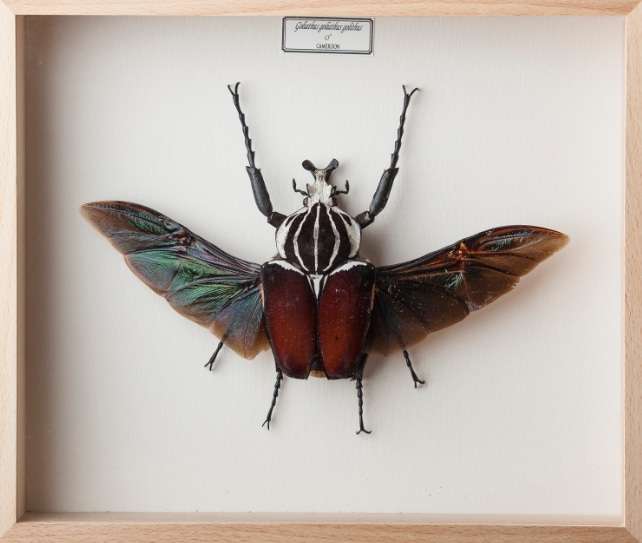
In addition to habitat destruction, human demand for exotic insects intensifies the risk faced by Goliath beetles. Their rarity and impressive size make them coveted by collectors, who trade them globally for significant sums.
Thousands of specimens are captured annually, then preserved and sold on platforms such as eBay and Facebook. While some species like Goliathus goliatus remain relatively abundant, ongoing collection combined with habitat decline threatens to push several beetle species towards extinction, as detailed in recent ecological studies.
Strategies to Prevent Extinction
Preserving the remaining rainforests in Côte d’Ivoire and Liberia is critical to the survival of Goliath beetles. Protection efforts must also focus on nurturing the tree species that provide essential nourishment for the adults.
Collaborating with local populations via education and conservation programs can curb unsustainable collection practices.
Introducing “certified forests” could offer a solution by allowing regulated harvests that preserve biodiversity while supporting local economies through ecotourism.
Experts caution that captive breeding has limited benefits, as removing beetles from their natural habitats does not guarantee lasting recovery.
A Powerful Indicator of Ecosystem Health
The dwindling numbers of Goliath beetles highlight a much broader environmental challenge. If such a prominent insect species struggles to persist, it raises concerns about the many smaller organisms that remain unseen.
Without prompt intervention, the loss of these giant beetles may herald a future where rainforests become quieter—stripped not only of their majestic trees but also the vibrant insect life essential to ecosystem vitality.
- Categories:
- Science











0 comments
Sign in to Comment