
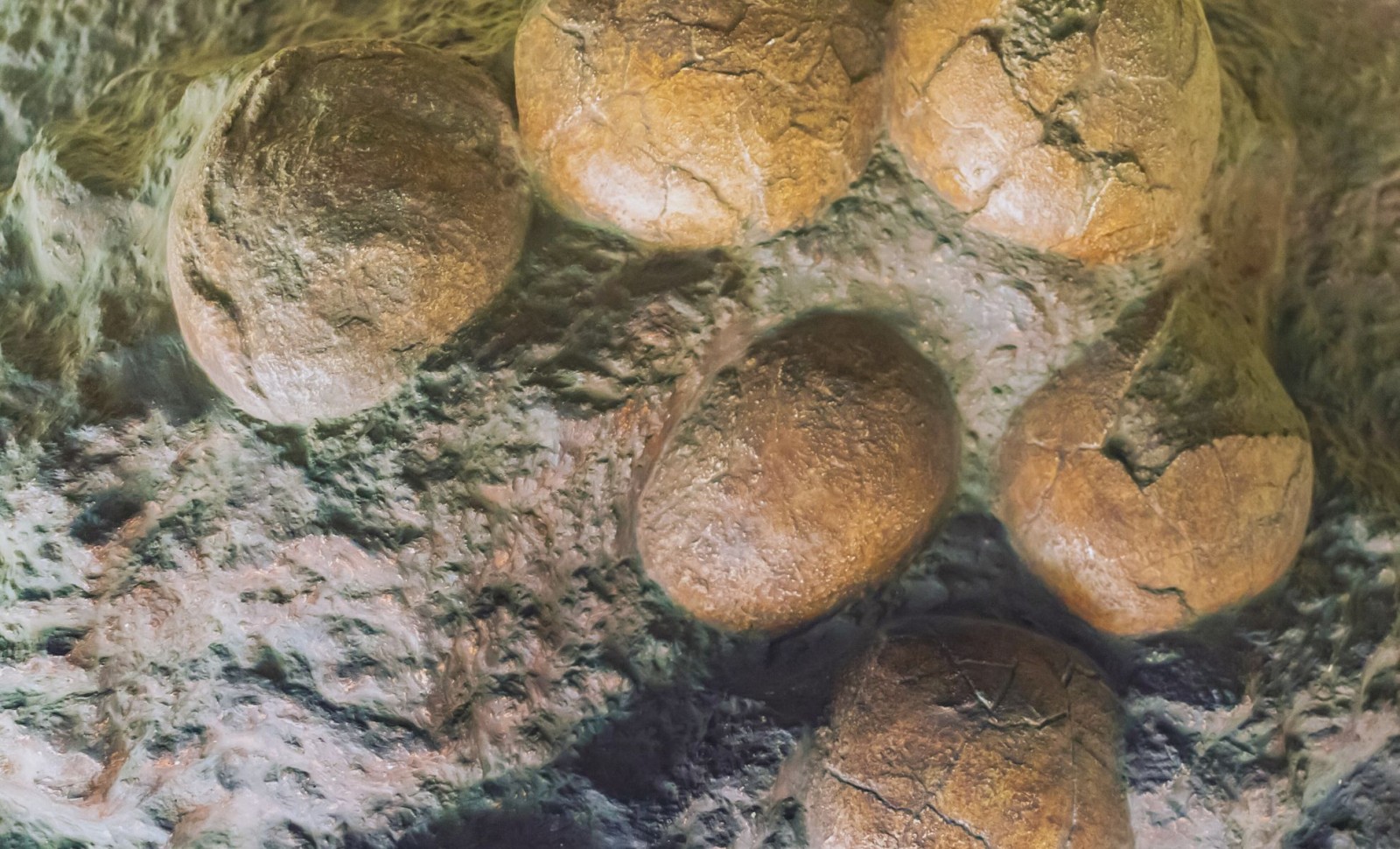
In central India, scientists have uncovered an extraordinary collection of 92 fossilized dinosaur nests containing more than 250 eggs. These nests, originating from the Late Cretaceous era, reveal vital details about the breeding habits of titanosaurs, the enormous dinosaurs that once inhabited the planet. Discovered within the renowned Lameta Formation, this find opens a new chapter in understanding how these prehistoric giants reproduced, potentially revising earlier views on their evolutionary path leading up to extinction.
The study, featured in PLOS ONE, offers rare physical evidence of reproductive behaviors in titanosaur sauropods—immense herbivorous dinosaurs. Analysis of the fossilized eggs has enabled researchers to reconstruct aspects of titanosaur life during the closing stages of the Cretaceous period.
A Fossil Hotspot Reveals Fresh Clues
The Lameta Formation of central India has long been prized for its rich paleontological finds, includingdinosaur skeletonsand fossilized eggs. While this region’s connection to dinosaurs is well established, the recent discovery of 92 nests with 256 eggs by a team led by Harsha Dhiman of the University of Delhi adds a remarkable new dimension to our perception of titanosaur reproductive strategies.

Although the area has produced many fossils over time, the scale and clustering of nests in this excavation are unprecedented.
“Our research has revealed the presence of an extensive hatchery of titanosaur sauropod dinosaurs in the study area and offers new insights into the conditions of nest preservation and reproductive strategies of titanosaur sauropod dinosaurs just before they went extinct,” explained the lead author of the research
Evidence of Colonial Nesting Among Titanosaurs
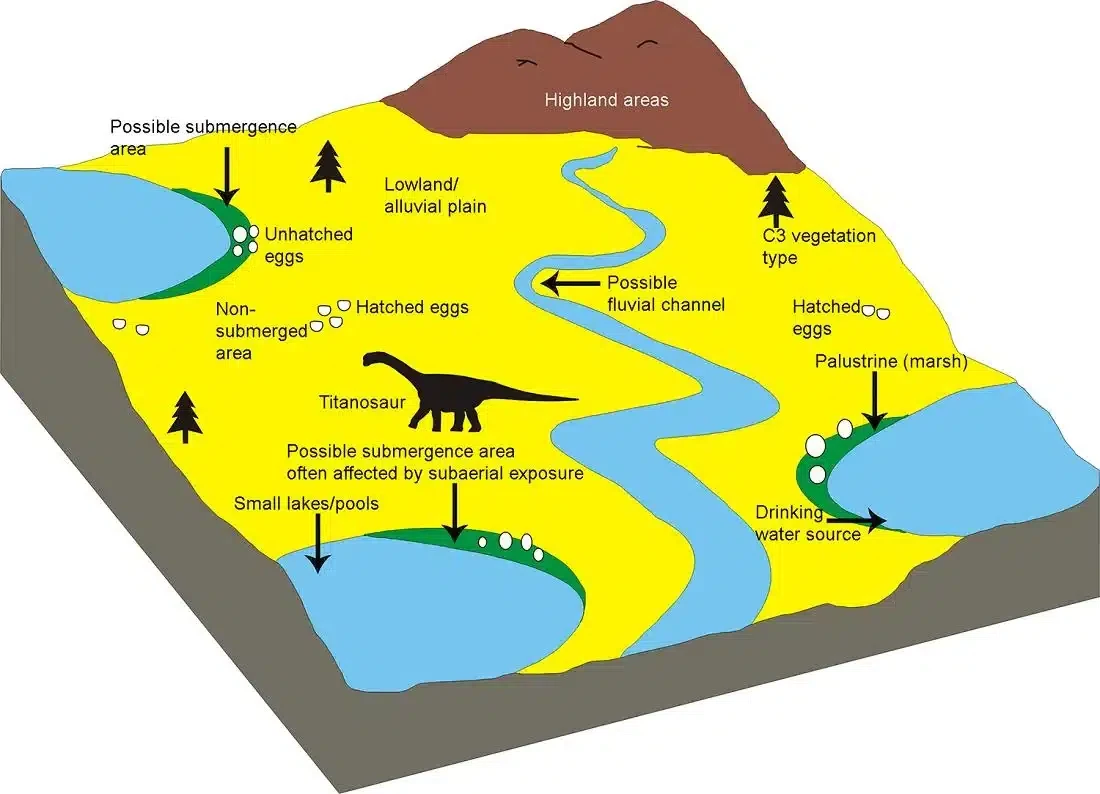
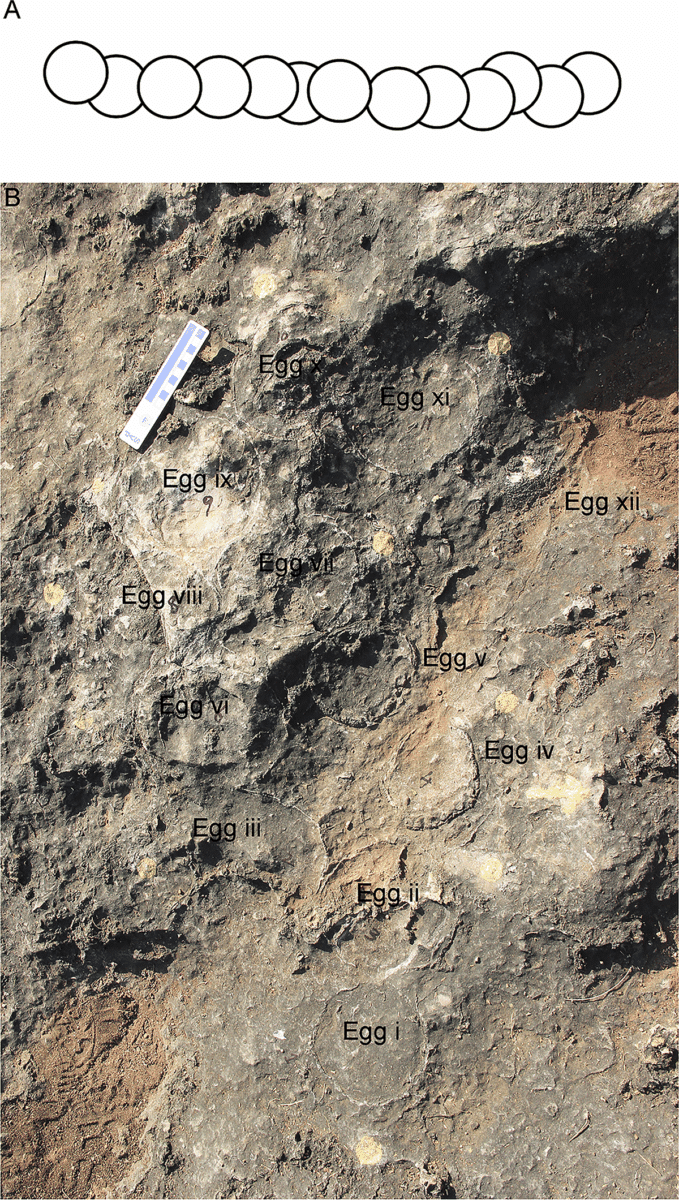
One notable insight from the discovery is the likelihood that titanosaurs nested in communal colonies. The close grouping of these 92 nests suggests that these enormous creatures gathered collectively to deposit their eggs, resembling the behavior of certain modern birds. Researchers believe the dinosaurs buried their eggs shallowly in pits, similarly to present-day crocodiles.
The study raises new questions about titanosaur social structures. The evidence points to the possibility that these dinosaurs interacted more extensively during nesting season than previously thought, possibly relying on the colony for reproductive success.
However, the dense cluster of nests also indicates limited parental care, suggesting titanosaurs likely abandoned their eggs post-laying, with hatchlings fending for themselves—paralleling some modern reptiles.
Uncommon Egg Anomalies Offer Clues to Dinosaur Reproduction
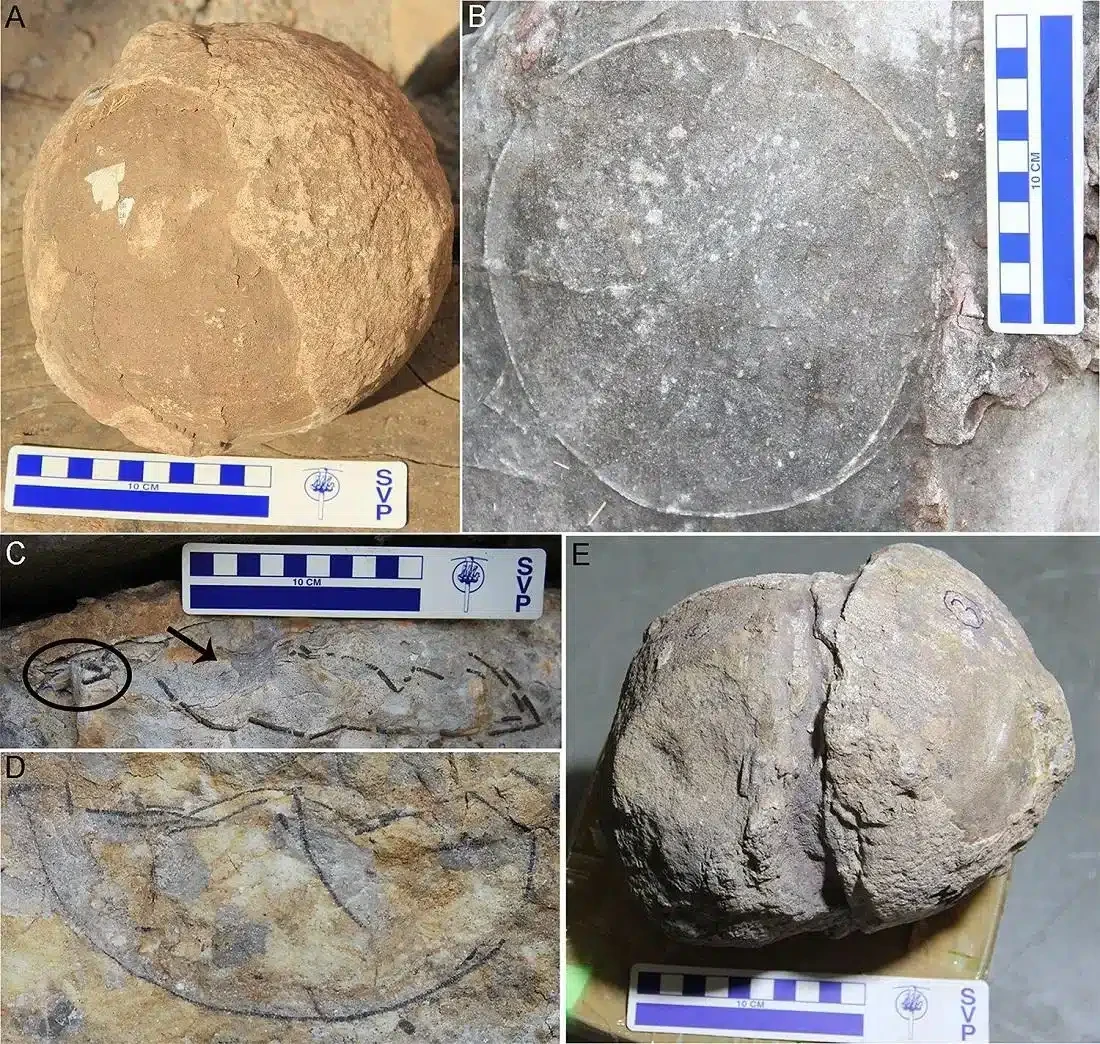
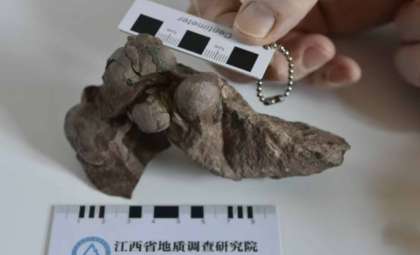
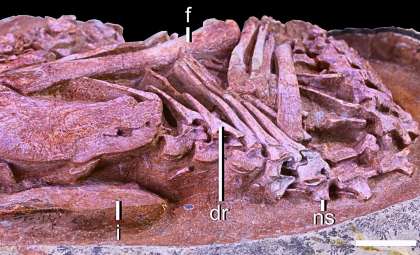
A further fascinating aspect is the discovery of rare egg abnormalities, including an "egg-in-egg" formation. This unique pathology offers valuable information on titanosaur reproductive processes.
Lead researcher Dhiman notes that this anomaly implies a more bird-like reproductive pattern in titanosaurs than previously assumed. The team suspects these dinosaurs may have laid their eggs in sequence.
“Together with dinosaur nests from Jabalpur in the east and Balasinor in the west, the new nesting sites from the Dhar District in Madhya Pradesh cover an east-west stretch of about 1,000 kilometers. This constitutes one of the largest dinosaur hatcheries in the world.”
Clusters of eggs and evidence for sequential laying suggest titanosaurs employed reproductive strategies that were more nuanced and complex than traditionally understood.
- Categories:
- Science




0 comments
Sign in to Comment