
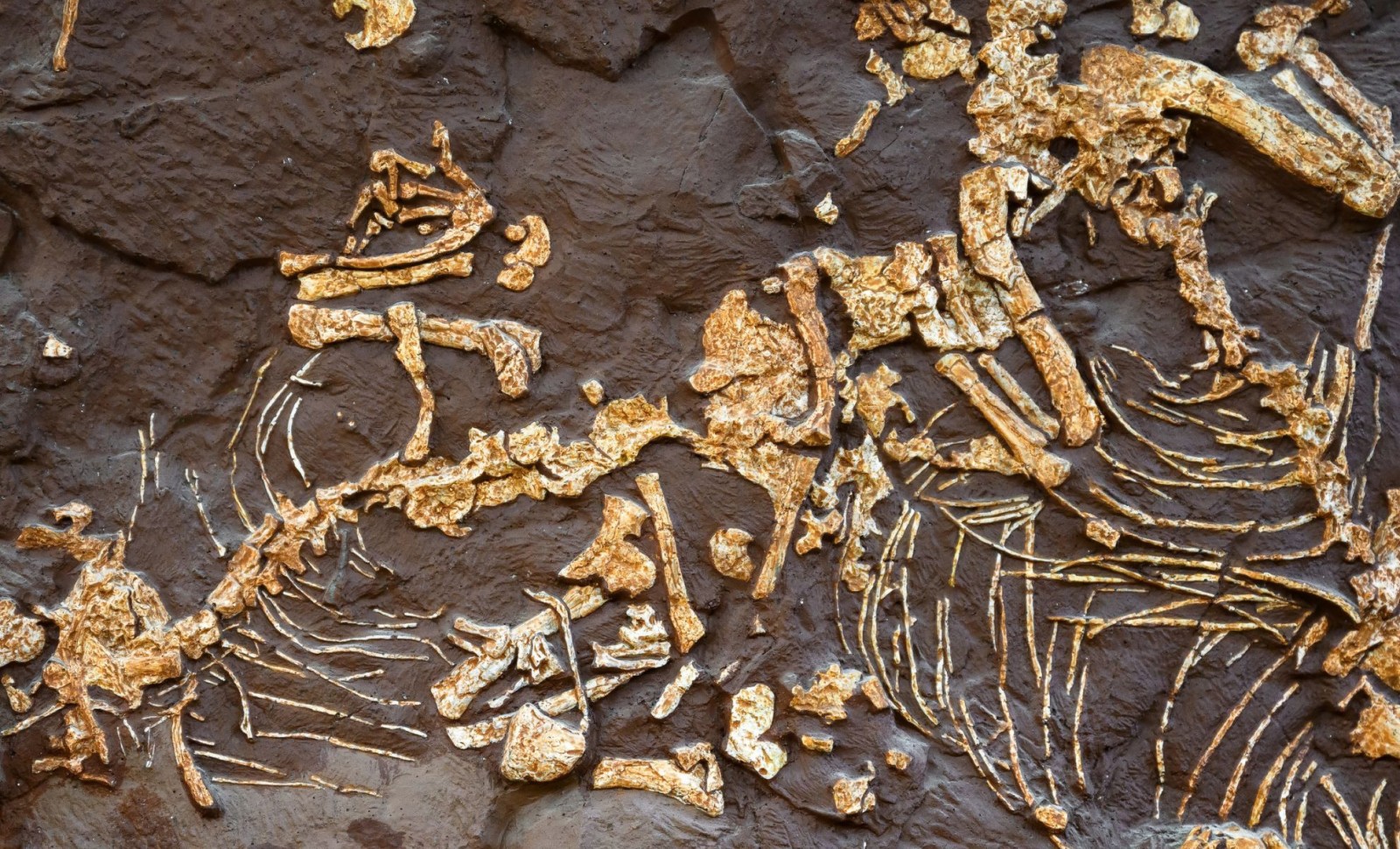
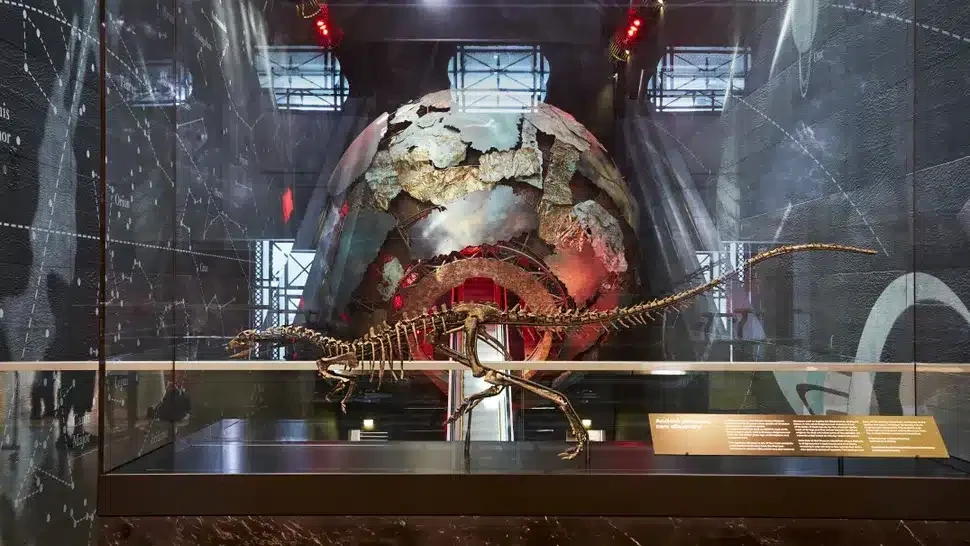
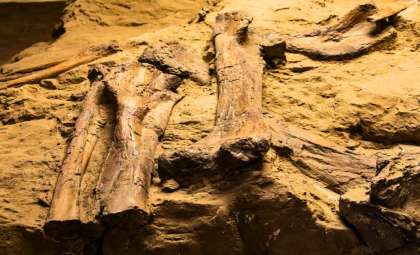
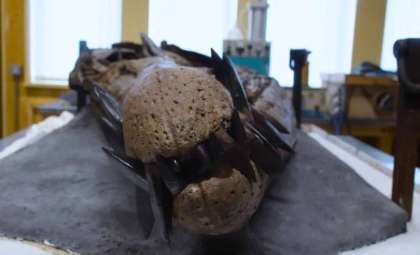
Researchers have identified Enigmacursor mollyborthwickae, a small, swift dinosaur that inhabited the floodplains of Late Jurassic Colorado. This species, approximately three feet in length, is now exhibited at London’s Natural History Museum, offering fresh perspectives on the variety of small plant-eating dinosaurs that lived alongside the era’s massive giants.
The fossil was excavated from private land in Colorado during 2021–2022, representing a noteworthy breakthrough in classifying small dinosaurs from this region, which has previously posed challenges for paleontologists.
Highlighting the Importance of Small Herbivores
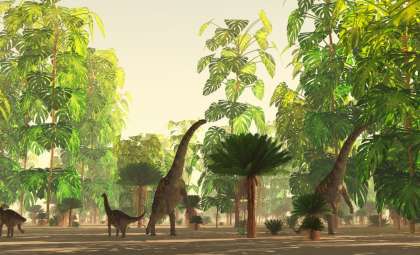
The Morrison Formation, a renowned fossil site spanning the western U.S., is famously linked to enormous dinosaurs such as Allosaurus and Brachiosaurus.

“While the Morrison Formation has been well-known for a long time, most of the focus has been on searching for the biggest and most impressive dinosaurs.”
Besides these giants, smaller species that have often been overlooked also inhabited this region, playing crucial ecological roles. As Professor Susannah Maidment from the Natural History Museum emphasized, the discovery of Enigmacursor helps resolve longstanding ambiguities concerning small herbivorous dinosaurs in the area. Earlier studies grouped several species inaccurately, but this new find provides a clearer reference for researchers.
Classified as a neornithischian, Enigmacursor enriches the growing evidence that small dinosaurs were far more diverse and integral to Jurassic ecosystems than previously acknowledged. These herbivores contributed to seed dispersal, consumed vegetation, and formed a vital food source for medium-sized predators, shaping complex food chains.
Swift and Nimble Adaptations
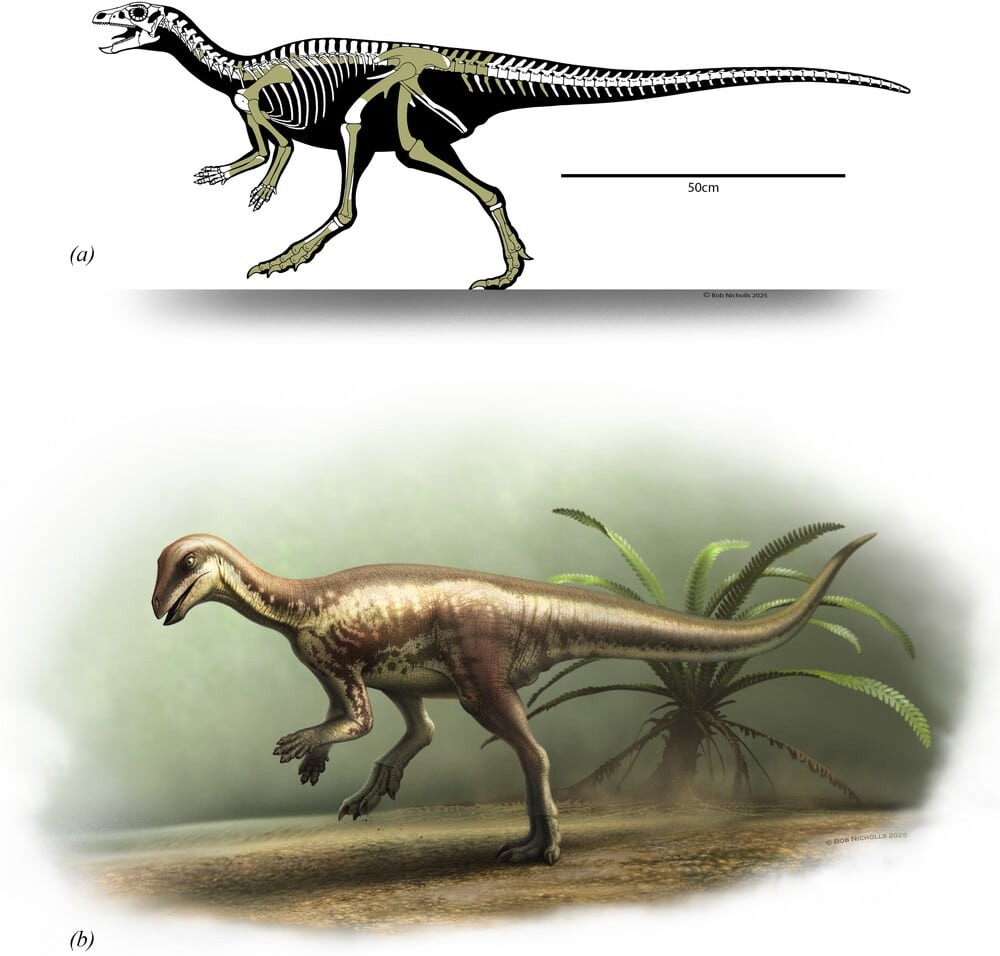
A standout trait of Enigmacursor is its exceptional speed. The proportions of its femur and shin bones indicate this dinosaur was built for rapid running, a feature reflected in its genus name meaning "enigmatic runner." This agility likely helped it avoid larger predators in its environment.
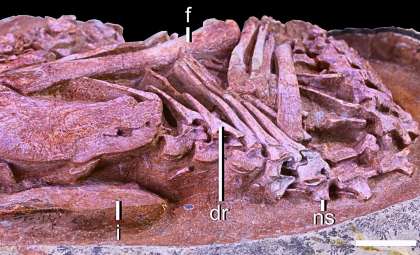
The young age of the specimen is suggested by unfused neural arches, parts of the spine, indicating it was still growing when it died.
Advancing Paleontology Through Digital Technology
The research, published in Royal Society Open Science, highlights the use of high-resolution 3D scans of the fossil that are accessible globally to researchers. These digital reconstructions capture intricate surface details, revolutionizing paleontological methods. Professor Maidment remarked that digital fossilization is changing how scientists analyze specimens.
“Smaller dinosaurs are often left behind, meaning there are probably many still in the ground,” she said.
This digital approach allows for improved species identification, expedited research, and enhanced international collaboration among paleontologists.
“By studying its anatomy in detail, we’ve been able to clarify this species’ evolutionary relationships, its taxonomy and the diversity of a previously poorly understood group of small dinosaurs,” Maidment explained in a statement.
The physical and digital availability of the Enigmacursor specimen exemplifies how technological advances are deepening our comprehension of prehistoric creatures, particularly those which may have previously escaped extensive study.
- Categories:
- Science


0 comments
Sign in to Comment