
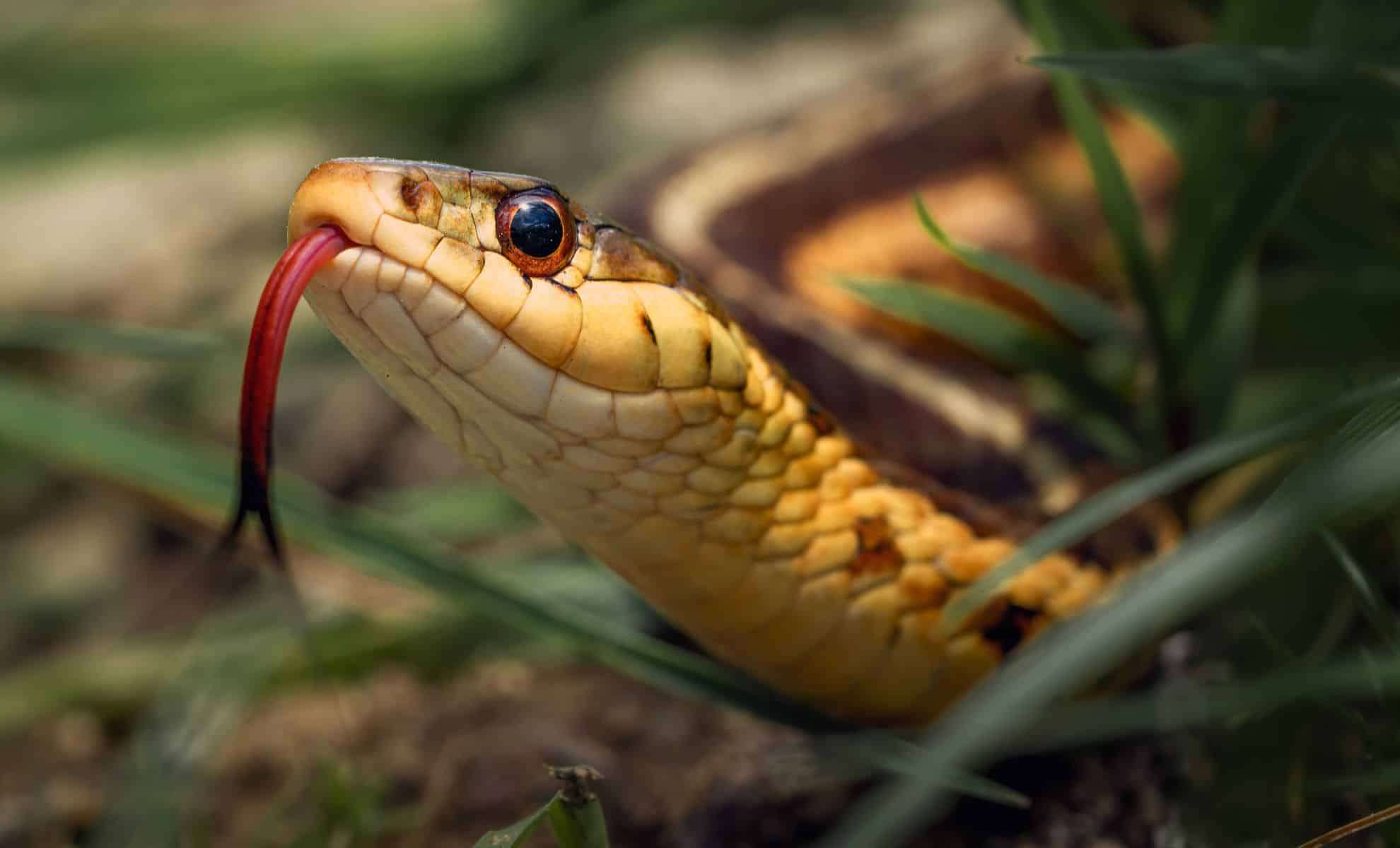
Researchers in western India have recently excavated vertebrae from what appears to be the largest snake ever discovered, with an estimated length reaching up to 15 meters—potentially longer than a T. rex.
An Enormous Snake from the Eocene Epoch
Greek Reporter reports that this ancient serpent, named Vasuki Indicus, was uncovered at a lignite mining site in the Panandhro region of Gujarat. The fossilized remains include 27 vertebrae, some still connected in situ.
Led by Debajit Datta, a paleontology postdoc at the Indian Institute of Technology Roorkee, the team believes Vasuki Indicus resembled a giant python and behaved similarly to present-day constrictors.
Datta explains, “Given its substantial size, Vasuki likely relied on a slow-moving, ambush hunting strategy, overpowering prey by constriction much like anacondas and pythons do today. It inhabited coastal marshlands when global temperatures were notably warmer than now.”

This extraordinary snake probably thrived in swampy, coastal habitats during a period marked by elevated global temperatures.
How Vasuki Compares with Titanoboa
The extraordinary find of Vasuki Indicus prompts comparisons with Titanoboa, another massive prehistoric snake discovered in Colombia in 2009. Titanoboa, dating back roughly 60 million years, measured about 13 meters in length and weighed over a ton. While similar, Vasuki appears marginally smaller in certain dimensions.
Co-author Sunil Bajpai noted, “Vasuki’s estimated length rivals that of Titanoboa, though Titanoboa’s vertebrae are somewhat larger. Currently, it’s unclear if Vasuki was bulkier or more slender than Titanoboa.”
Largest known madtsoiid snake from warm Eocene period of India suggests intercontinental Gondwana dispersal
Vasuki indicus gen et sp. nov. estimated body length of ~ 11–15 m https://t.co/ArKdFSZGb2 pic.twitter.com/GS2gzCSx0z— Dactylioceras🇵🇸 (@Dinoh555) April 18, 2024
Dietary Habits of Vasuki
Scientists propose that Vasuki’s immense size enabled it to prey upon sizable animals, such as crocodiles and large fish. The discovery site also yielded fossils of early whales called kutchicetus and crocodilian species, suggesting potential prey. Datta observed, “Vasuki was a majestic creature,” highlighting its role as a dominant predator that likely influenced its ancient ecosystem’s diversity.
Significance for Paleontology
This remarkable fossil find expands our knowledge of prehistoric biodiversity. The Vasuki Indicus specimens shed light on snake evolution and enhance understanding of ecosystems during the Eocene epoch.
The snake’s vast size and hunting approach underline the extraordinary diversity of life forms that flourished long before the emergence of today’s fauna.
A Prehistoric Giant Unveiled
Vasuki Indicus distinguished itself with exceptional bulk and power, closely resembling a giant python in several aspects.
The largest vertebra recovered measures about 11 centimeters in width, implying the snake’s girth could have reached approximately 44 centimeters across.
Though no skull has been found, the vertebrae and inferred size indicate Vasuki Indicus was a formidable predator of its time.
This discovery cements Vasuki Indicus as a major prehistoric reptile, ranking alongside giants like Titanoboa.
- Categories:
- Science





0 comments
Sign in to Comment