
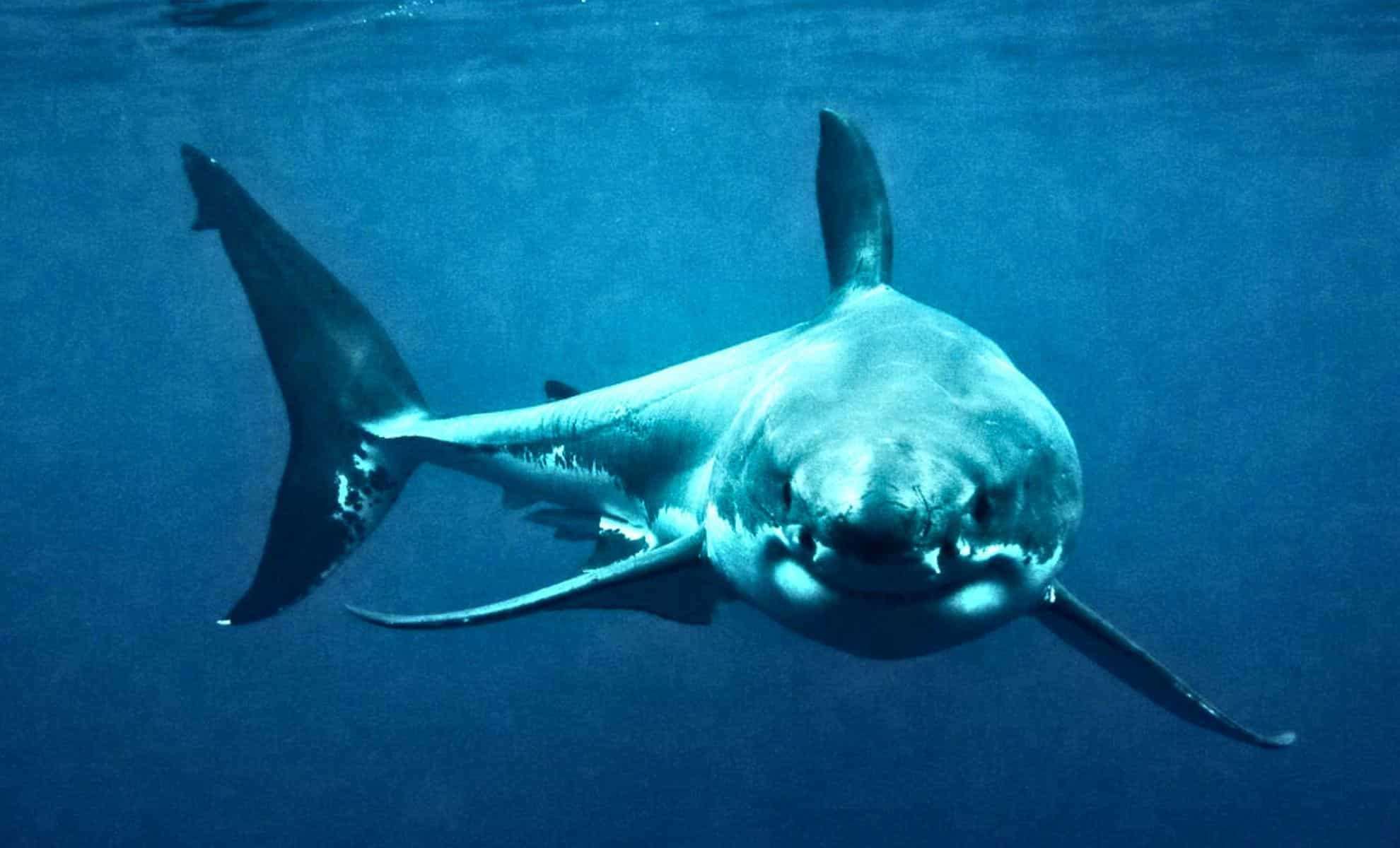
A significant shift in marine predator dynamics is unfolding near Australia, disrupting the ocean's traditional food chain. Once regarded as the supreme hunters of the seas, great white sharks are now being challenged by a rival of astonishing prowess—killer whales. Recent sightings along the Victoria coast have confirmed long-held suspicions among scientists: orcas are actively targeting great white sharks, focusing specifically on their nutrient-dense livers with remarkable accuracy.
Australia's First Confirmed Killer Whale Attacks on Great Whites
New evidence from Australian waters has, for the first time, documented orcas preying on great white sharks. In October 2023, a 4.7-meter great white was found ashore in Portland, Victoria, notably missing its liver, digestive organs, and reproductive parts. Just days prior, observers reported a pod of orcas hunting sizable prey nearby. Among the pod were two infamous individuals, Bent Tip and Ripple, known for their expertly coordinated strikes.
Forensic analysis of a 50 cm injury near the shark's pectoral fin revealed conclusive DNA traces of an orca assault. This discovery marks a pivotal moment in marine predator studies, confirming that killer whales are far from merely competing—they are actively preying on great white sharks.

How Orcas Outsmart the Ocean’s Former Apex Predator
Known for their high intelligence and versatile hunting skills, orcas employ sophisticated methods few marine creatures can counter. Their varied diet includes:
- Large whales
- Seals and sea lions
- Significant fish species
- Sharks
What sets orcas apart in their battle against great white sharks is their precise hunting technique. Around the world, orcas have been seen surgically removing just the most valuable organ—the liver—from great white sharks, sparing other tissues. This distinct behavior, previously noted in South African waters, is now being observed off the coast of Australia.
The liver's appeal lies in its abundant lipid content, offering a dense source of energy for orcas. This selective feeding hints at a level of strategic consumption rarely witnessed in natural predators.
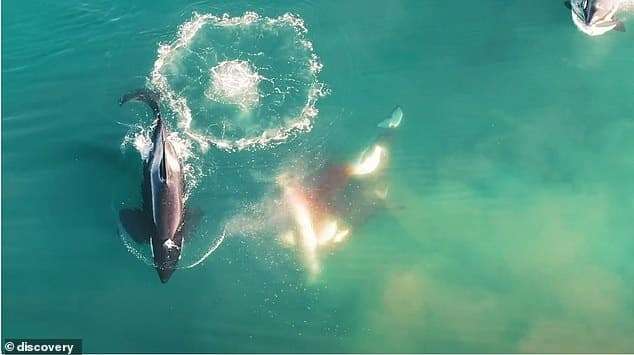
Ecological Ramifications for Great White Shark Populations
This emerging predator-prey relationship could profoundly affect ocean ecosystems. In South Africa, orca presence in great white habitats has resulted in a steep decline in shark sightings. Fearing attacks, many sharks have vacated crucial hunting zones, leading to disruptions in marine biodiversity.
If this trend continues along Australia's shores, similar ecological shifts may occur:
- Decreased great white populations: Sustained predation by orcas could cause shark numbers to fall sharply.
- Behavioral changes in sharks: Avoidance of traditional hunting areas due to predation risk may alter migration and feeding behaviors.
- Trophic cascade effects: Reduced shark presence could destabilize populations of seals and fish, resulting in wide-ranging ecosystem changes.
Could Orcas Be the True Kings of the Sea?
For decades, the great white shark was considered the ocean’s definitive predator. However, the emerging dominance of killer whales—enabled by intelligence and teamwork—highlights a new era in marine predation. These recent Australian encounters shed light on the complex interactions among marine superpredators, suggesting orcas may now hold the throne as the ocean’s apex hunters.
- Categories:
- Science











0 comments
Sign in to Comment