
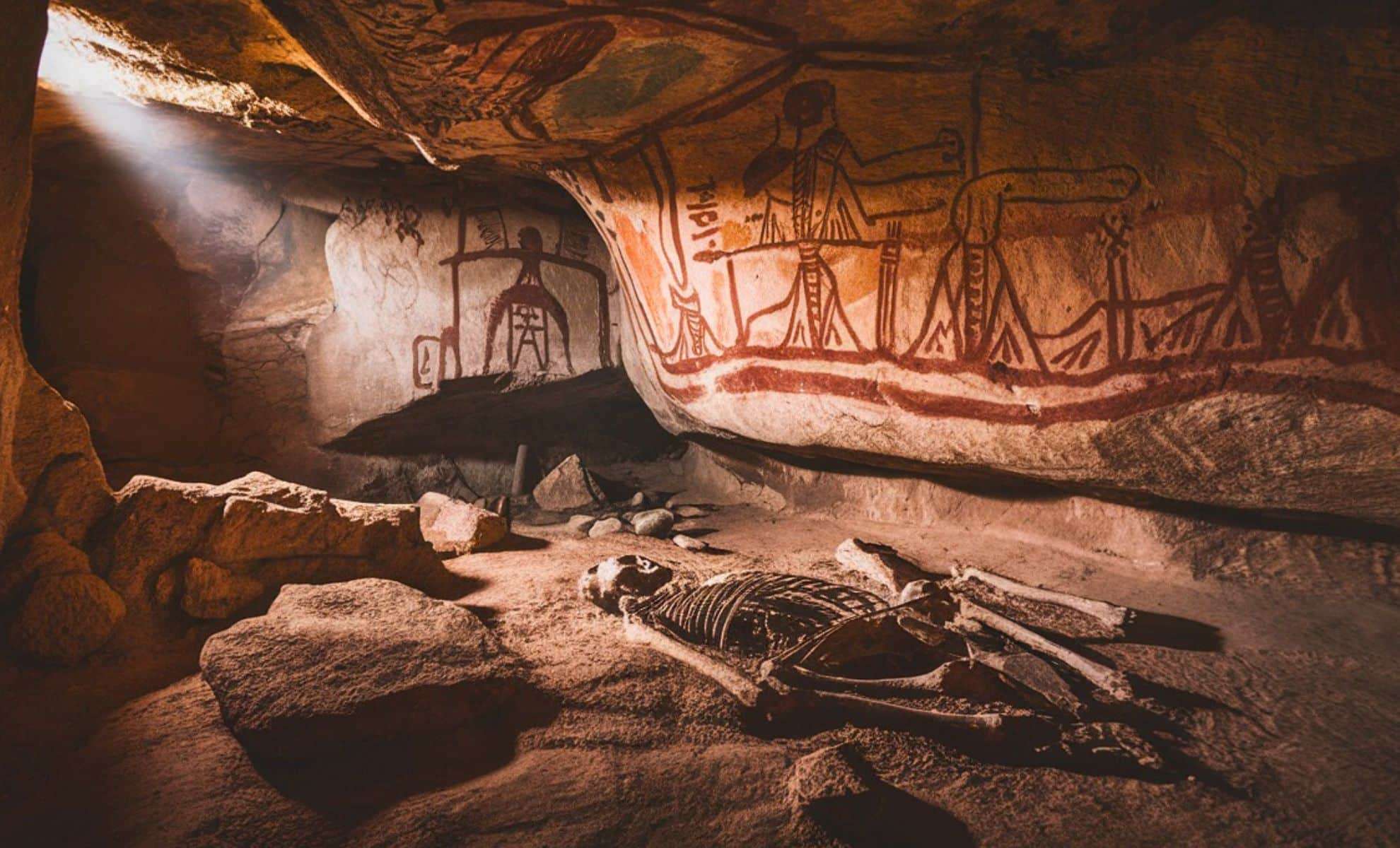
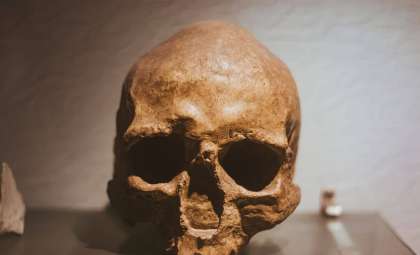
In Thailand, a groundbreaking archaeological find has revealed the country's oldest known child skeleton, dating back approximately 29,000 years. This rare specimen was uncovered in a cave at the Tham Din site, located within Khao Sam Roi Yot National Park, accompanied by charcoal, ashes, and vivid red ochre wall paintings.
Unearthing Prehistoric Stories in a Remote Cave
The Tham Din archaeological location has attracted scholarly attention since 2020, initially focused on the cave's ancient red ochre art. These paintings illustrate scenes of human figures hunting animals such as monkeys and deer, using bows and arrows.
Lead archaeologist Kannika Premjai explains that the red ochre likely symbolized concepts of blood and power, indicating that the imagery may have served ceremonial or spiritual purposes.

Subsequent excavation efforts in 2022 uncovered animal remains, seeds, and seashells, confirming long-term human occupation of the cave. Yet, the most remarkable find awaited researchers.
Intentional Burial Offers Glimpse into Ancient Rituals
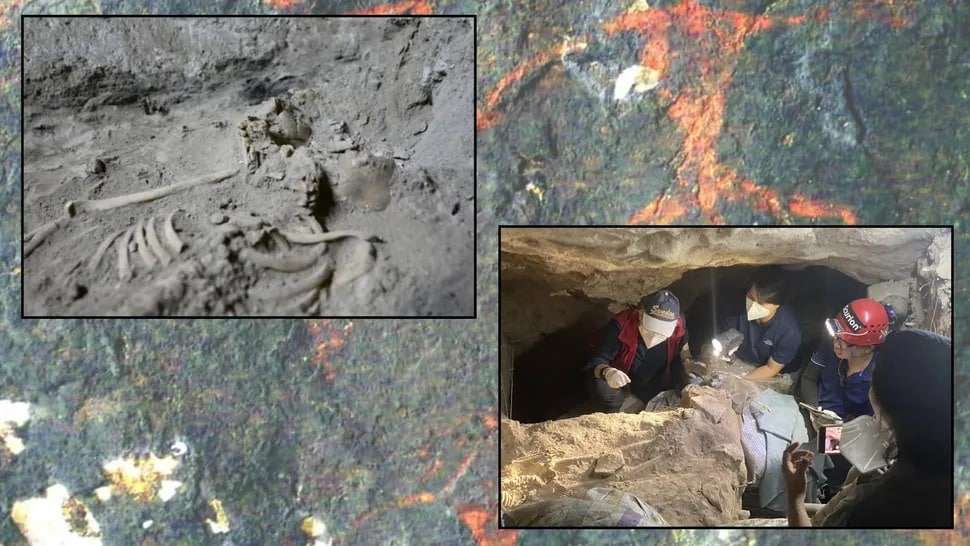
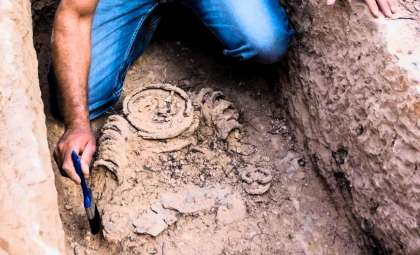
The standout discovery was the well-preserved skeleton of a 6-to-8-year-old child Homo sapiens, securely interred in a distinctive posture with legs tightly placed together and arms aligned by the body. Experts suggest this arrangement indicates the child was wrapped in some form of shroud, revealing early mortuary customs.
Known as "Pangpond," this skeleton was found close to charcoal and ashes, hinting at the use of fire during the burial. Researchers propose the fire could have been employed to:
- Prevent scavengers from disturbing the remains
- Mask odors linked to decomposition
- Function as part of the interment ritual itself
An Evolutionary Milestone in Southeast Asian Archaeology
Phnombootra Chandrajoti, head of Thailand’s Fine Arts Department, described the unearthing as “transformative,” stating it will alter perceptions of ancient human occupation in Southeast Asia significantly.
This burial site and its associated artifacts deliver invaluable information on archaic human customs, subsistence, and societal organization. Moreover, it prompts further inquiry into the patterns of early human migration within the region.
The extensive period of habitation at Tham Din Cave emphasizes its importance as a key locale for understanding prehistoric human dispersal across Southeast Asia.
Delving into the Significance of Ochre Artworks
A major enigma linked to the site is the presence of prominent red ochre paintings. Scientists are investigating whether these depictions of hunting and human figures were connected to burial rites or served distinct cultural roles.
Proposed interpretations include their use as:
- Elements of funerary ceremonies honoring the deceased
- Visual records of everyday subsistence activities
- Symbolic or mythological expressions reflecting ancient spiritual beliefs
Following this exceptional find, Thai officials intend to protect Tham Din Cave and potentially open it for educational tourism, ensuring continued scientific exploration.
Future studies will include DNA testing, artifact examinations, and geological assessments aimed at uncovering more about the ancestry and lifestyle of these early inhabitants.
- Categories:
- Science







0 comments
Sign in to Comment